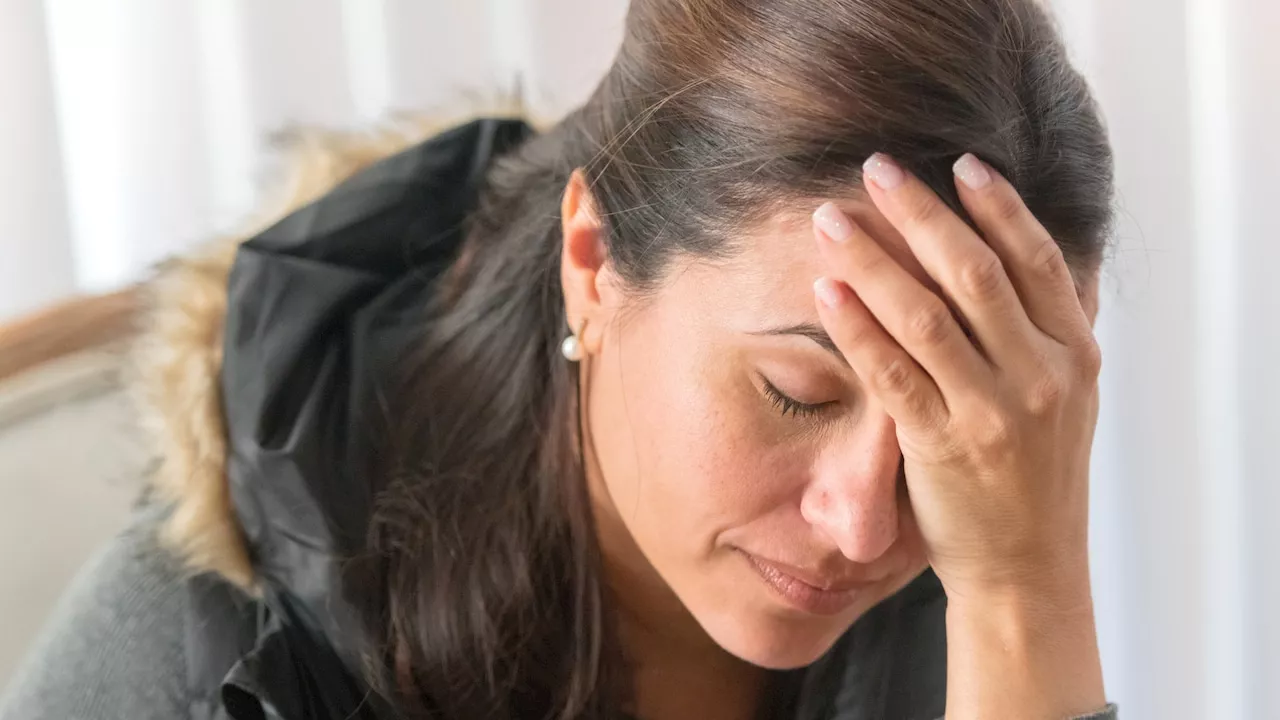
A woman reflecting on her experience as a cancer survivor has shared her struggle with comments about her newly curly hair, which serves as a painful reminder of her battle with the disease. After undergoing treatment last year, she is now in recovery but finds herself confronted daily by remarks about her hair’s texture. Despite her attempts to explain the emotional toll these comments take, she feels misunderstood and overwhelmed.
Emotional Impact of Hair Loss and Recovery
The woman, who prefers to remain anonymous, noted that her hair loss during treatment was a significant part of her cancer journey. “It’s a painful reminder when I’m trying to feel normal again,” she expressed. The well-meaning comments from acquaintances, particularly at her church and gym, have become a source of distress. “Every woman at church brings it up, not realizing it’s hard for me to hear dozens of these comments,” she said.
One individual at her gym consistently remarked on her hair, even after she requested that the comments cease. This relentless attention culminated in an emotional outburst, highlighting the psychological struggle that accompanies recovery from cancer. “I finally burst into tears,” she recounted, illustrating the depth of her frustration.
Navigating Social Interactions and Etiquette
Judith Martin, known as Miss Manners, provided insights on the situation, emphasizing that there is no legal avenue to prevent unsolicited comments on personal appearances. Martin pointed out that many people feel compelled to comment on visible traits, often misinterpreting their remarks as compliments. “If they are challenged, they claim to be giving compliments,” she noted, highlighting a common social dynamic.
The advice columnist suggests that a silent, humorless stare might be effective in discouraging further commentary, as it could prompt individuals to reconsider their approach. Despite the challenges, she cautioned against responding emotionally to such remarks, which often do not stem from malicious intent.
The woman’s hair is expected to take approximately two years to grow long enough for her to feel comfortable with its appearance. Until then, she seeks strategies to manage the well-meaning but painful comments. She hopes that by sharing her experience, others may gain insight into the emotional complexities of recovery and the importance of sensitivity in conversations surrounding health.
This account serves as a reminder of the ongoing challenges faced by cancer survivors as they navigate both physical and emotional changes while striving for normalcy in their lives.