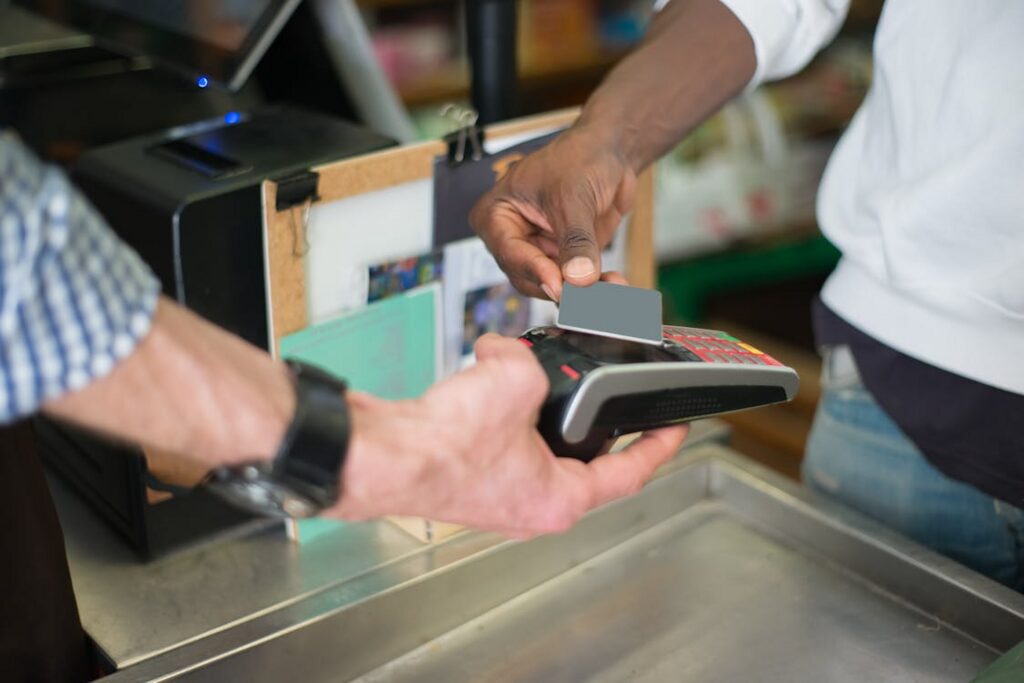
Retailers increasingly adopt digital technologies to streamline operations, but this transformation also heightens vulnerabilities. Businesses that utilize cloud inventory management, mobile payment systems, and loyalty applications face new threats that can compromise customer data and operational integrity. As technology enhances efficiency, security must evolve from a one-off IT project into a daily practice.
Understanding the Threat Landscape
Modern attackers exploit the rapid movement of money and data, targeting systems that require constant uptime and integrate with multiple partners. Three primary threat types pose significant risks to retailers.
Ransomware attacks now pose a dual threat, as they not only encrypt systems but also steal sensitive data, threatening to leak it unless a ransom is paid. This can lead to immediate downtime, drastically affecting revenue, while data leaks can damage customer trust in the long term. Retailers are advised to maintain offline backups of critical data and regularly rehearse recovery procedures. A rapid restoration process can make ransomware less appealing.
Phishing attacks also represent a growing concern, with cybercriminals using artificial intelligence to mimic the tone of emails from suppliers or management. Retailers often rely on email for critical transactions, making them vulnerable to scams. Implementing two-person approval for high-value transactions and encouraging staff to verify unusual requests through alternate channels can help mitigate these risks.
Supply chain and Software as a Service (SaaS) account breaches are another area of concern. Attackers frequently target smaller vendors to gain access to larger retail systems. Retailers should treat their vendors as extensions of their operations, inquiring about data visibility, customer separation, and response times for security issues. A partner that cannot clearly articulate their security measures should be viewed as a potential risk.
Strengthening Security in a Digital Era
The digitization of retail operations creates both opportunities and vulnerabilities. As retailers shift from isolated systems to interconnected networks, the smallest connections often present the greatest weaknesses.
Cloud-based Point of Sale (POS) systems offer enhanced reporting and management capabilities, but they also create risks. Retailers should restrict access to POS administrative panels, separate back-office operations from customer-facing networks, and enforce multi-factor authentication for accounts that can alter pricing or process refunds. Breaches commonly originate from access points that should have been secured.
Self-checkout systems and mobile POS devices streamline customer transactions but can also be exploited. These systems are susceptible to tampering, software vulnerabilities, and social engineering tactics. To address these risks, retailers should implement short session timeouts, device-level PINs, and strict policies against the use of personal devices on store hardware.
Customer data management is critical amidst rising privacy concerns. Loyalty programs and digital receipts gather a wealth of personal information, which can be exploited if compromised. Retailers should collect only essential data, retain it only as long as necessary, and ensure that different systems do not expose sensitive customer profiles during a breach.
Physical security systems also rely on effective cyber hygiene. Despite being easier to manage, IoT devices and surveillance cameras can introduce risks if they are not properly secured. Retailers should isolate these devices on separate networks, change default settings, and regularly update firmware.
Organized retail crime has adapted to digital advancements, employing technology to exploit vulnerabilities in return policies and digital transactions. Retailers should monitor for anomalies in return patterns and implement rule-based alerts to identify suspicious activities.
To build resilience, retailers need to integrate security into their daily operations. This includes establishing a zero-trust approach where no device or user receives preferential treatment based solely on their location within the store. Role-based access should be strictly enforced, with regular reviews and immediate deactivation of accounts when employees leave or change roles.
Employee training is vital for effective security. Regular training sessions that address real-world scenarios can empower staff to recognize and respond to potential threats. Incorporating short, practical training modules allows for continuous improvement in security awareness.
Creating a Practical Security Roadmap
Retailers should adopt a structured approach to managing security risks. Initiating a thorough audit of all systems that handle customer data can identify vulnerabilities. Each system should be assessed for admin access, device login capabilities, and subsequent data flow, with access cut back where necessary.
Establishing a vendor security checklist can help ensure that partners adhere to essential security practices, such as supporting multi-factor authentication and promptly addressing critical vulnerabilities.
Finally, treating security as a key performance indicator (KPI) can provide valuable insights. Metrics such as the time taken to patch devices, the number of active admin accounts, and staff participation in security drills should be monitored.
As retailers navigate the complexities of digital transformation, the strongest businesses will be those that integrate robust security practices into their operations. By establishing tight access controls, segmented networks, and a culture of vigilance among employees, retailers can better protect themselves against evolving threats while continuing to meet customer demands for efficiency and personalization.