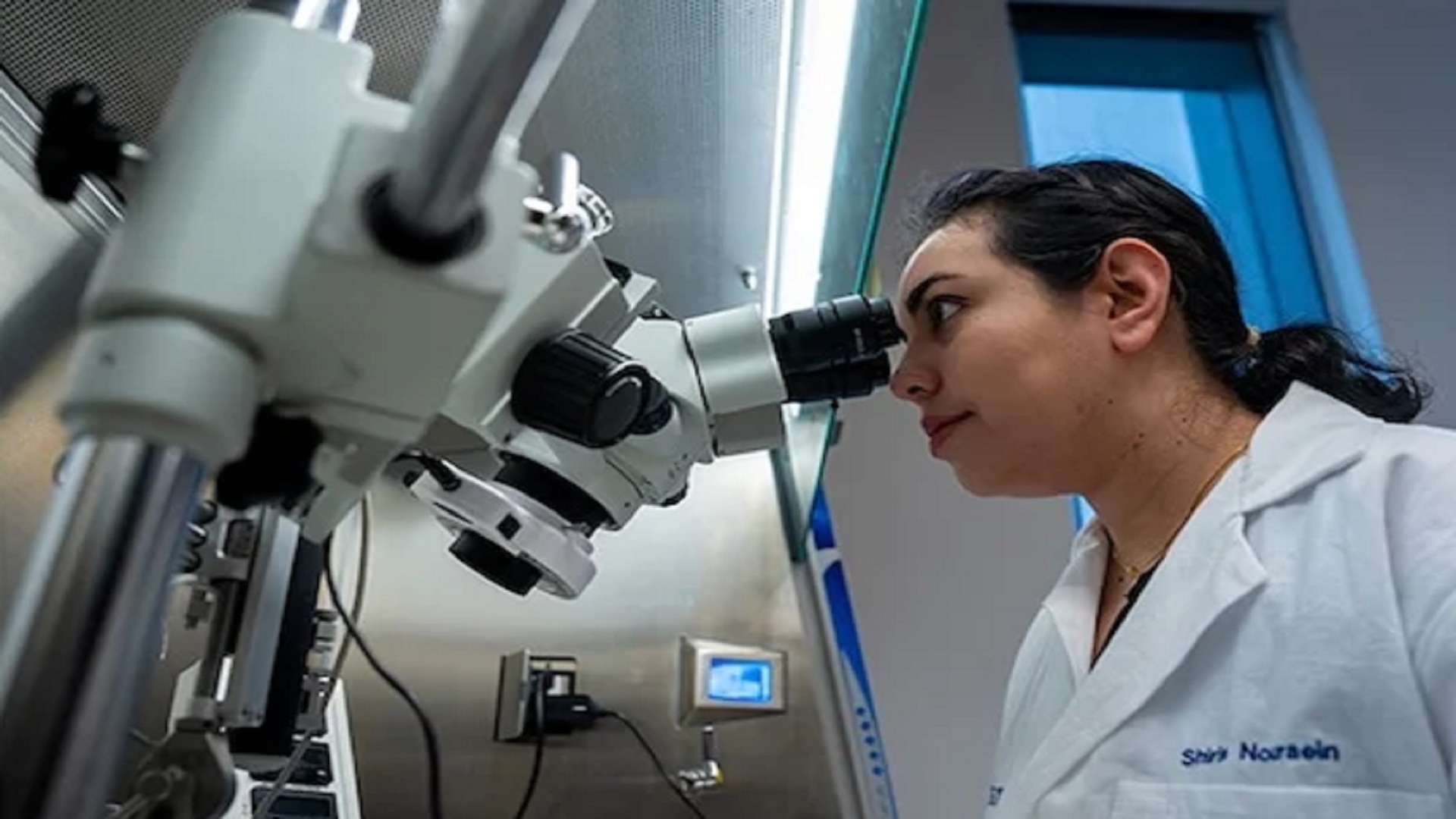
Research engineers at Rice University have developed innovative erasable serum markers that can precisely track changes in brain gene activity. This breakthrough offers a promising avenue for monitoring neurological conditions and understanding the dynamic nature of gene expression in real time.
The new markers, which were introduced in March 2023, allow for the observation of subtle changes in gene activity within the brain. Traditional methods of tracking such changes often lack the precision and adjustability that these novel markers provide. The team, led by Dr. K. C. Lee, has emphasized the importance of this technology in advancing neuroscience research.
One of the key advantages of these serum markers is their ability to be erased and rewritten. This feature enables scientists to reset the markers, allowing for continuous monitoring without the need for invasive procedures or the introduction of new markers. The potential applications of this technology extend beyond basic research into practical medical diagnostics, where real-time monitoring could significantly enhance patient care.
The development of these markers builds on existing technologies used in gene expression analysis. However, the innovative approach undertaken by the Rice University team promises to enhance the sensitivity and specificity of brain activity tracking. According to the researchers, this advancement could lead to better understanding of various neurological disorders, including Alzheimer’s disease, autism, and schizophrenia.
Implications for Neuroscience
With these erasable serum markers, researchers can now explore the brain’s gene activity more effectively. The ability to observe how gene expression changes in response to different stimuli or treatments is crucial in the field of neuroscience. This method allows scientists to discern patterns and correlations that were previously difficult to identify.
The technology also holds potential for personalized medicine, where treatments can be tailored based on individual gene expression profiles. As this field advances, the hope is that clinicians will be able to use real-time data to make informed decisions regarding patient care.
Moreover, the ability to erase and rewrite serum markers could lead to fewer complications associated with long-term monitoring. Traditional methods often involve the risk of infection or tissue damage, which could be mitigated by utilizing this new technology.
Future Directions
Looking ahead, the team at Rice University plans to collaborate with medical professionals to explore practical applications of these markers in clinical settings. The engagement with healthcare providers will be essential to understand how these innovations can be integrated into existing diagnostic frameworks.
The research is still in its early stages, but the potential impact of these erasable serum markers could be profound. As scientists continue to refine the technology, it may pave the way for new insights into brain function and the underlying mechanisms of neurological diseases.
In summary, the development of erasable serum markers by the Rice University team represents a significant leap forward in the capacity to monitor brain gene activity. This technology not only enhances research capabilities but also brings us closer to realizing the promise of personalized medicine in neuroscience.