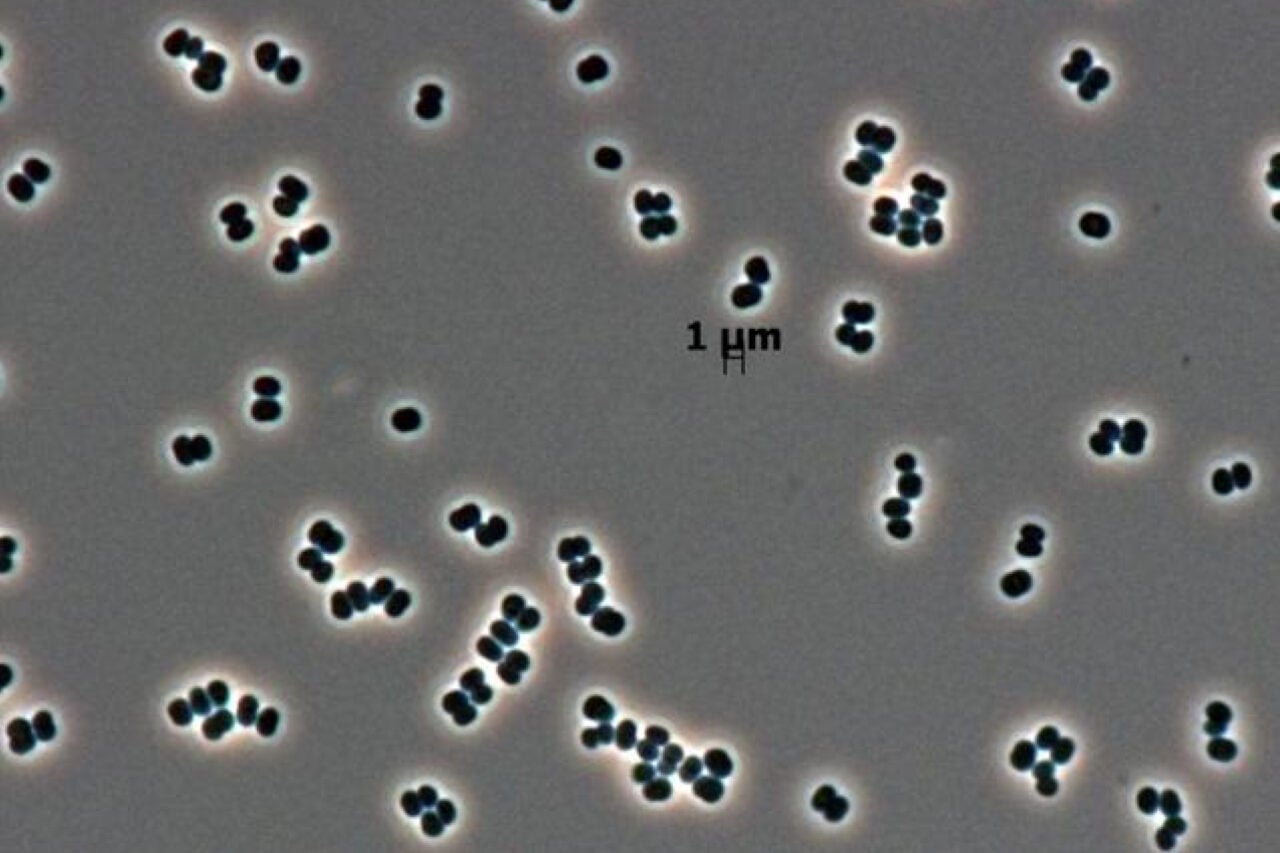
A recently published study reveals that a bacterium discovered by NASA, named Tersicoccus phoenicis, can enter a state of dormancy, effectively “playing dead.” This finding has raised questions about the potential for microbial contamination on Mars, where this resilient microorganism may have inadvertently traveled.
In 2007, NASA identified Tersicoccus phoenicis in two separate clean rooms—sterile environments specially designed for spacecraft assembly—located approximately 4,000 kilometers apart. Despite extensive sterilization measures employed in these clean rooms, including chemical treatments and ultraviolet radiation, this microbe not only survived but also eluded detection during sterilization checks.
Madhan Tirumalai, the lead author of the study and a microbiologist at the University of Houston, explained to National Geographic, “It is not dead. It was playing dead. It is only dormant.” This dormant state allows the bacterium to withstand extreme conditions, leading scientists to believe it could potentially survive on spacecraft surfaces during missions.
Survival Mechanisms of Tersicoccus phoenicis
To better understand the survival capabilities of Tersicoccus phoenicis, researchers conducted experiments in which the bacteria were deprived of nutrients and placed on sterile Petri dishes. Within 48 hours, the bacteria entered a dormant state, remaining inactive for a week. Attempts to revive them with nutrients were unsuccessful until they were exposed to a specific protein that kickstarted their biological processes again.
According to microbiologist Nils Averesch from the University of Florida, who did not participate in the study, “The fact that this bacterium can intentionally suspend its metabolism makes survival on spacecraft surfaces or during deep-space cruise more plausible than previously assumed.” This underscores the remarkable adaptability and resilience of microbial life.
Potential Implications for Mars Missions
One of the clean rooms where Tersicoccus phoenicis was discovered was utilized during preparations for NASA’s Phoenix Mars lander, which successfully landed on Mars. This raises concerns about the possibility of contaminating extraterrestrial environments with Earth-based microbes. Experts, however, believe the risk is minimal, as any organism directly exposed to the Martian surface is unlikely to survive.
The study suggests that Tersicoccus phoenicis may have evolved specifically to thrive in spacecraft clean rooms, as it has not been found in natural environments. This discovery offers new insights into cleaning protocols within these critical spaces, as understanding how to awaken dormant bacteria can inform more effective sterilization methods.
The research serves as a reminder of the incredible survival strategies employed by even the smallest forms of life. As scientists continue to explore microbial resilience, the implications for both space exploration and our understanding of life on Earth remain profound.