In a recent study published in the Proceedings of the National Academy of Sciences, a team from Brunel University of London examined traditional folk remedies used in Ireland, specifically looking at treatments for whooping cough and other ailments. The research analyzed a unique archive of 3,655 folk cures compiled during the 1930s, shedding light on how cultural beliefs shape health practices.
Documenting Irish Folk Medicine
The origins of this archive trace back to 1937 when the Irish Folklore Commission initiated a project to capture the rich tapestry of Irish lore. Collaborating with the Irish Department of Education, the commission enlisted approximately 50,000 schoolchildren to gather local knowledge. These students interviewed family members and community elders, documenting everything from traditional games to health remedies. The resulting collection amounts to nearly three-quarters of a million pages of documentation, preserving valuable insights into Irish culture.
Dr. Mícheál de Barra, a co-author of the study, emphasized the significance of this initiative, stating, “You’ve got kids going and interviewing older people… It’s a real kind of treasure trove.” The children’s notes, written in both Irish and English, captured a diverse array of treatments, including the use of pigs for curing mumps and snails for warts.
Insights Into Folk Medicine and Supernatural Beliefs
The current research focused on 35 diseases, aiming to discern patterns in the logic behind folk medicine. The team found that the more ambiguous the nature of an illness, the more likely individuals were to resort to magical or religious remedies. Using ratings from two medical professionals, the researchers categorized illnesses based on how comprehensible they were to the general public at the time.
Dr. Ayana Willard, another co-author, noted, “We find that diseases with uncertain causes were about 50% more likely to attract religious or magical treatments.” This trend was particularly evident in infectious diseases, such as whooping cough and scrofula, which often lacked clear symptoms and causes.
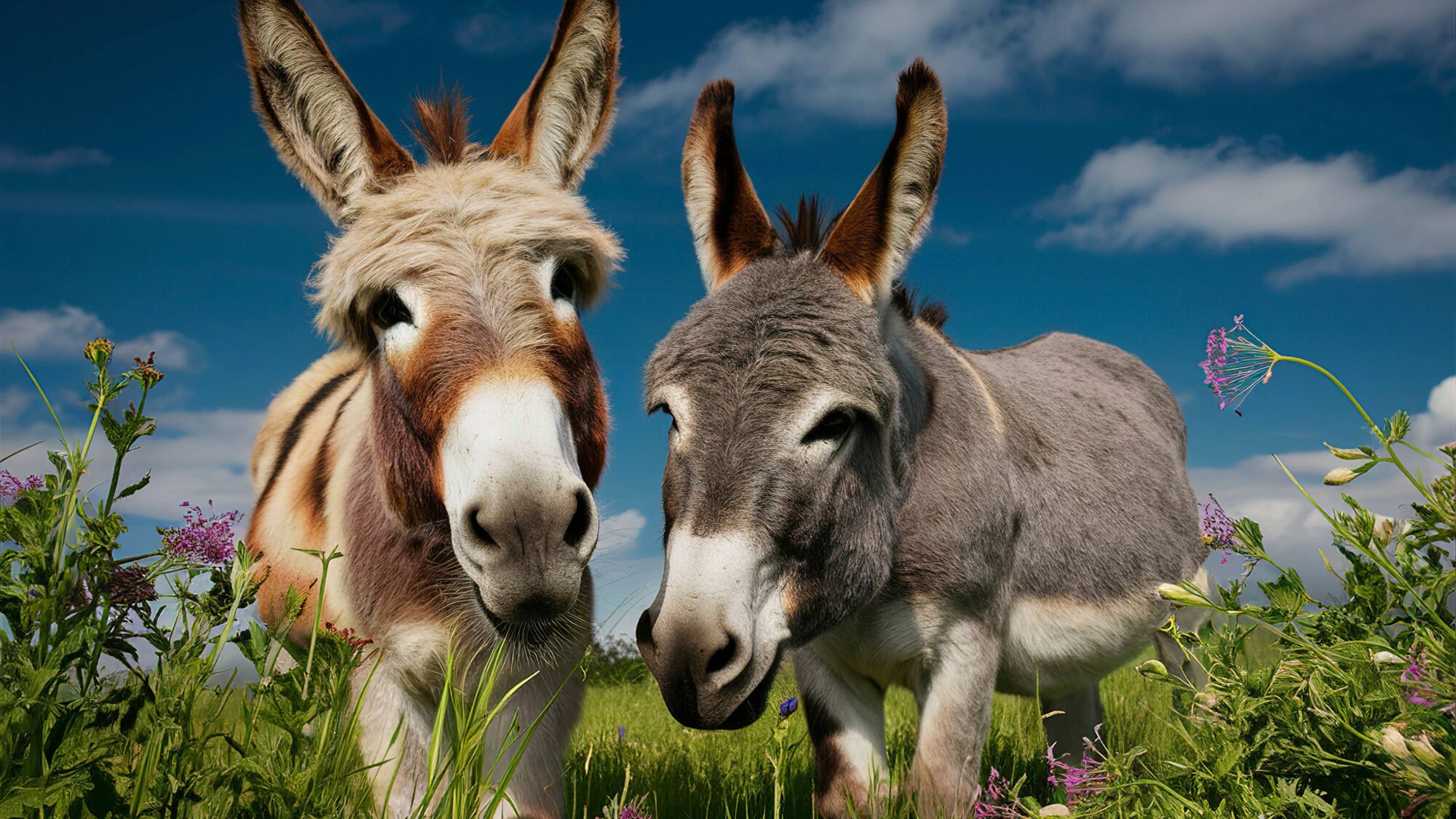
Among the folk remedies documented, one particularly unusual treatment for whooping cough involved placing a sick child under a donkey three times and feeding them bread that had been breathed on by the animal. This method reflects the historical context in which such remedies were developed, as individuals sought explanations and solutions in the absence of scientific understanding.
Dr. de Barra remarked, “These weren’t random traditions. They reflected people’s need to understand and influence their health, especially when real answers weren’t available.” The research indicates that during periods of uncertainty, people often turn to belief systems that provide a sense of control and understanding.
The Relevance of Folk Remedies Today
This study adds to a growing body of anthropological research suggesting that ritual behavior tends to flourish in uncertain circumstances. For instance, fishermen have been known to utter prayers when navigating treacherous waters. Dr. de Barra explained that in situations where clear solutions are lacking, individuals are likely to seek out alternative explanations and remedies.
The findings also illustrate that folk remedies may persist even in modern contexts. “It’s pretty unsatisfying just not having a solution of any form,” Dr. de Barra stated. “When there aren’t particularly good medical solutions, I expect people will keep searching for something that makes sense.”
Looking ahead, the research team aims to explore the geographic spread of these beliefs by analyzing the original school records from the districts involved in the Irish Folklore Commission project. This investigation will help trace how folk medicine practices evolved and spread across different regions.
Dr. de Barra concluded, “This is such a rich resource, and there’s still more to uncover.” As interest in folk medicine continues to grow, understanding these historical practices may provide valuable insights into contemporary health beliefs and behaviors.