Netflix has made a monumental move in Hollywood, with co-Chief Executive Ted Sarandos orchestrating an ambitious $82 billion acquisition of significant assets from Warner Bros. This deal includes the storied Warner Bros. film and television studios located in Burbank, as well as the HBO and HBO Max streaming services based in Culver City. Sarandos described the acquisition as a “rare opportunity” during an investor call, emphasizing its potential to fulfill Netflix’s mission of “entertaining the world and bringing people together through great stories.”
If approved, this acquisition would also grant Netflix access to a treasure trove of beloved content, including classics like Casablanca and The Goonies, along with iconic characters such as Batman, Scooby-Doo, and Harry Potter. The deal is poised to reshape the streaming landscape but may face extensive legal and regulatory scrutiny before it can finalize. Warner shareholders and various regulatory bodies in both the United States and abroad will need to endorse the transaction.
Shifting Power Dynamics in Hollywood
Sarandos’s rise in Hollywood has been nothing short of remarkable. Once dismissed by industry veterans, he has transitioned from being viewed as an outsider to the ultimate power broker. Tom Nunan, a former studio and network executive, remarked, “There seems to be no ceiling of opportunity for Ted Sarandos. He’s the king of Hollywood.” The recent auction for Warner Bros. caught many off guard, particularly as Paramount, backed by billionaire Larry Ellison, was considered a frontrunner.
Despite Netflix’s executives downplaying their merger ambitions as recently as January 2024, their strong financial position enabled them to present a cash offer that impressed Warner Bros. Discovery’s board. The deal also involves Netflix absorbing over $10 billion of Warner Bros.’ debt, elevating the total deal value to approximately $82.7 billion.
While Netflix anticipates the deal will close within 12 to 18 months, it is already encountering resistance from cinema chains, lawmakers, and industry unions. The Writers Guild of America has argued that the merger should be blocked, stating that “the world’s largest streaming company swallowing one of its biggest competitors is what antitrust laws were designed to prevent.”
A Career Built on Defiance
If the acquisition succeeds, it will mark a significant milestone for Sarandos, who has been pivotal in shaping Netflix’s content strategy since joining the company in 2000. His unconventional approach has often defied traditional Hollywood norms. Sarandos initially joined Netflix when it was a fledgling DVD rental service, leveraging his experience from his previous role at West Coast Video. His knack for understanding audience preferences has been integral to Netflix’s growth, which now boasts over 301 million subscribers worldwide.
The shift towards original content began when Netflix decided to produce its first major series, House of Cards, in 2011. Sarandos’s bold investment of $100 million for the first two seasons without seeing a pilot exemplified his willingness to take risks. This decision ultimately shifted perceptions of Netflix from an upstart to a serious player in the entertainment industry.
Under his leadership, Netflix has pioneered binge-watching by releasing entire seasons at once, breaking from the traditional episodic model. This strategy has attracted significant talent and facilitated the emergence of hit series, including the global phenomenon Stranger Things. The show’s creators, Matt and Ross Duffer, credited Sarandos with believing in their vision and allowing them creative freedom, which has had a lasting impact on television storytelling.
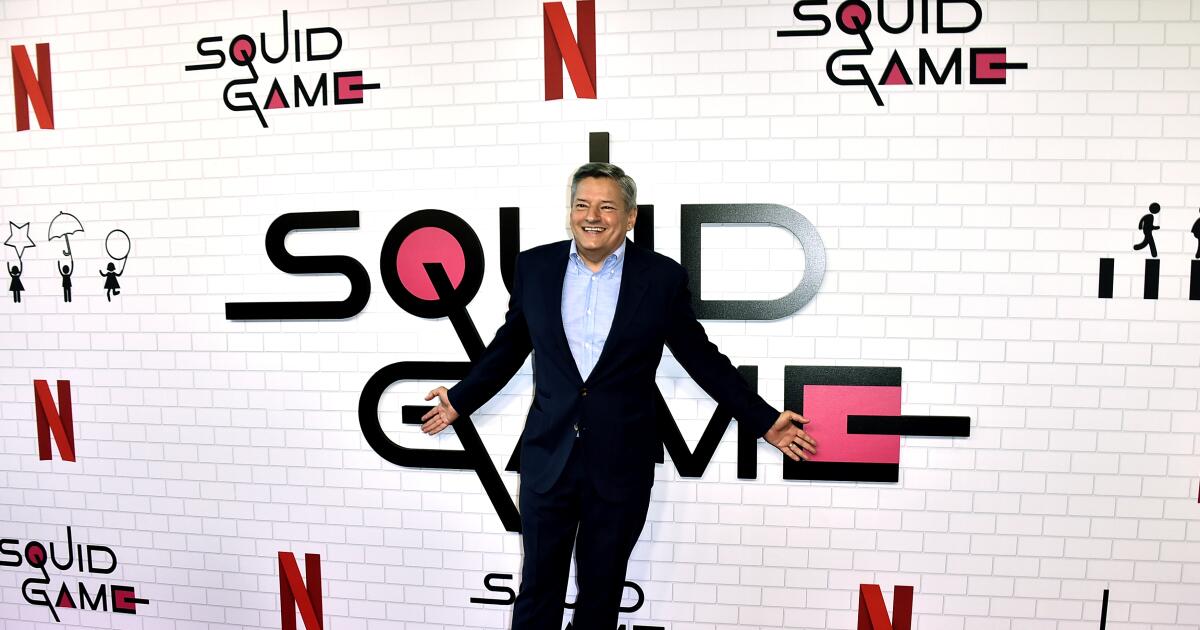
Netflix has also expanded its international footprint, producing content globally, with successes like Squid Game, which garnered 265.2 million views within its first three months. Despite its successes, Sarandos’s methods have often drawn ire from traditionalists in the industry, particularly regarding the release schedules of films.
Sarandos, who became co-CEO in 2020, has had to navigate significant challenges, particularly in 2022 when Netflix experienced its first subscriber decline in over a decade, losing 200,000 subscribers in the first quarter. This prompted concerns about the company’s growth trajectory. However, Netflix has since diversified its revenue streams, including tackling password sharing and venturing into advertising and live events.
As the company seeks to solidify its market dominance, Sarandos’s confidence in the Warner Bros. deal reflects his belief in its consumer and creator benefits. He stated, “This deal is pro-consumer, pro-innovation, pro-worker, pro-creator, pro-growth.”
Though he remains one of Hollywood’s highest-paid executives, with a compensation package valued at $61.9 million in 2024, Sarandos has not been without controversy. He faced criticism during the dual strikes in 2023 from writers and actors who voiced concerns over fair compensation. Despite these challenges, he has played a crucial role in fostering dialogue and collaboration within the industry.
As Netflix continues to contend with competitors from various sectors, including social media platforms and gaming, Sarandos remains focused on innovation and storytelling. “In a world where people have more choices than ever how to spend their time, we can’t stand still,” he remarked. The acquisition of Warner Bros. could be a pivotal step in ensuring Netflix’s narrative remains at the forefront of entertainment.