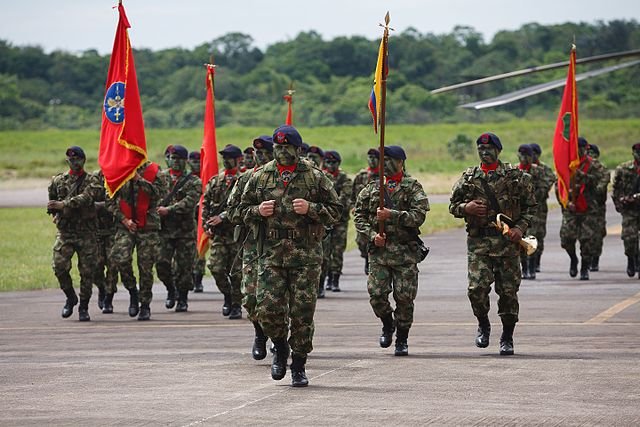
Human Rights Watch (HRW) has condemned the alarming rise in human rights abuses committed by armed groups against Indigenous communities in Colombia’s southern state of Putumayo. In a report released on **October 6, 2023**, HRW highlighted that these violations disproportionately affect vulnerable populations, exacerbating an already precarious situation.
Juanita Goebertus, HRW’s Americas Director, emphasized the exploitation of ongoing peace negotiations by armed groups to tighten their grip on the local population. She stated, “Armed groups in Putumayo are using the peace talks as an opportunity to tighten their control over the population… While the peace talks focus on decreasing coca crops, armed groups are imposing their own rules in Putumayo and severely punishing those who disobey.”
During a visit to affected regions such as Puerto Asís, Mocoa, Orito, and La Hormiga, HRW documented chilling accounts from victims who voiced their fears of reprisals. Many residents reported being forced to conceal crimes, including burying the bodies of homicide victims to prevent further violence. This atmosphere of terror has led to coercion, with villagers compelled to participate in protests, such as the “Araña” movement, which demanded the release of high-ranking armed group officials, including Geovany Anés Rojas.
In addition to these abuses, HRW cited reports of forced coca cultivation and recruitment of child soldiers, often facilitated through social media. Indigenous communities have faced strict curfews and limitations on their cultural practices, further undermining their rights and freedoms.
The situation in Putumayo, which borders Ecuador and Peru, is a longstanding challenge for the Colombian government. Under the leadership of President Gustavo Francisco Petro Urrego, efforts have been made to engage in peace talks aimed at reducing violence and fostering dialogue with armed groups that possess both political and criminal motives.
In 2023, these initiatives led to progress in negotiations with the armed group known as the Estado Mayor of Blocs and Fronts (EMBF). An agreement was reached on six critical points, including de-escalation of conflicts, prioritizing access to land and environmental resources, and halting the recruitment of child soldiers. Despite these developments, HRW asserts that substantial work remains.
A UN Security Council report released in early 2024 corroborated HRW’s findings, detailing horrific abuses against children, including attacks on schools and kidnappings. The report highlighted that Indigenous and Afro-descendant children in rural areas are particularly vulnerable to sexual harassment and physical violence, often caught in the crossfire of ongoing conflict.
Furthermore, the report revealed a staggering increase in mass displacements in Putumayo, rising by over **1,000 percent** from 2022 to 2023 due to continued violence. This dramatic surge has severely impacted the livelihoods and safety of countless civilians in the region.
As the Colombian government continues its efforts to negotiate peace, the plight of Indigenous communities in Putumayo remains urgent. The international community, alongside local authorities, must address these violations to ensure the protection of human rights and the restoration of safety for all affected individuals.