Iran reportedly engaged in a covert strategy aimed at pressuring Thailand to withdraw approximately 40,000 Thai farm workers from Israel. This maneuver came in the wake of the October 7, 2023, attack by Hamas, which resulted in the deaths of 39 Thai citizens and the abduction of 31 others. The Islamic Republic sought to use this situation as leverage for securing the release of these hostages, according to a report from The Jerusalem Post.
In the weeks following the attack, Iranian officials attempted to negotiate the withdrawal of Thai laborers, a move that could have placed significant economic strain on Israel. With nearly 40,000 Thai workers contributing to agricultural efforts, such a deal would have jeopardized food production across the country. The impact of this potential exodus could have had long-term implications for Israel’s agricultural sector.
The Thai government took the situation seriously, dispatching diplomats to Tehran to engage in discussions with Iranian authorities and representatives from Hamas. Among those they met was Mousa Abu Marzouk, a prominent figure in Hamas’ political bureau. Despite the high-stakes negotiations, Thailand ultimately opted against the proposed exchange. Within weeks, 23 of the 31 hostages were released during a brief cease-fire, diminishing the urgency of the negotiations.
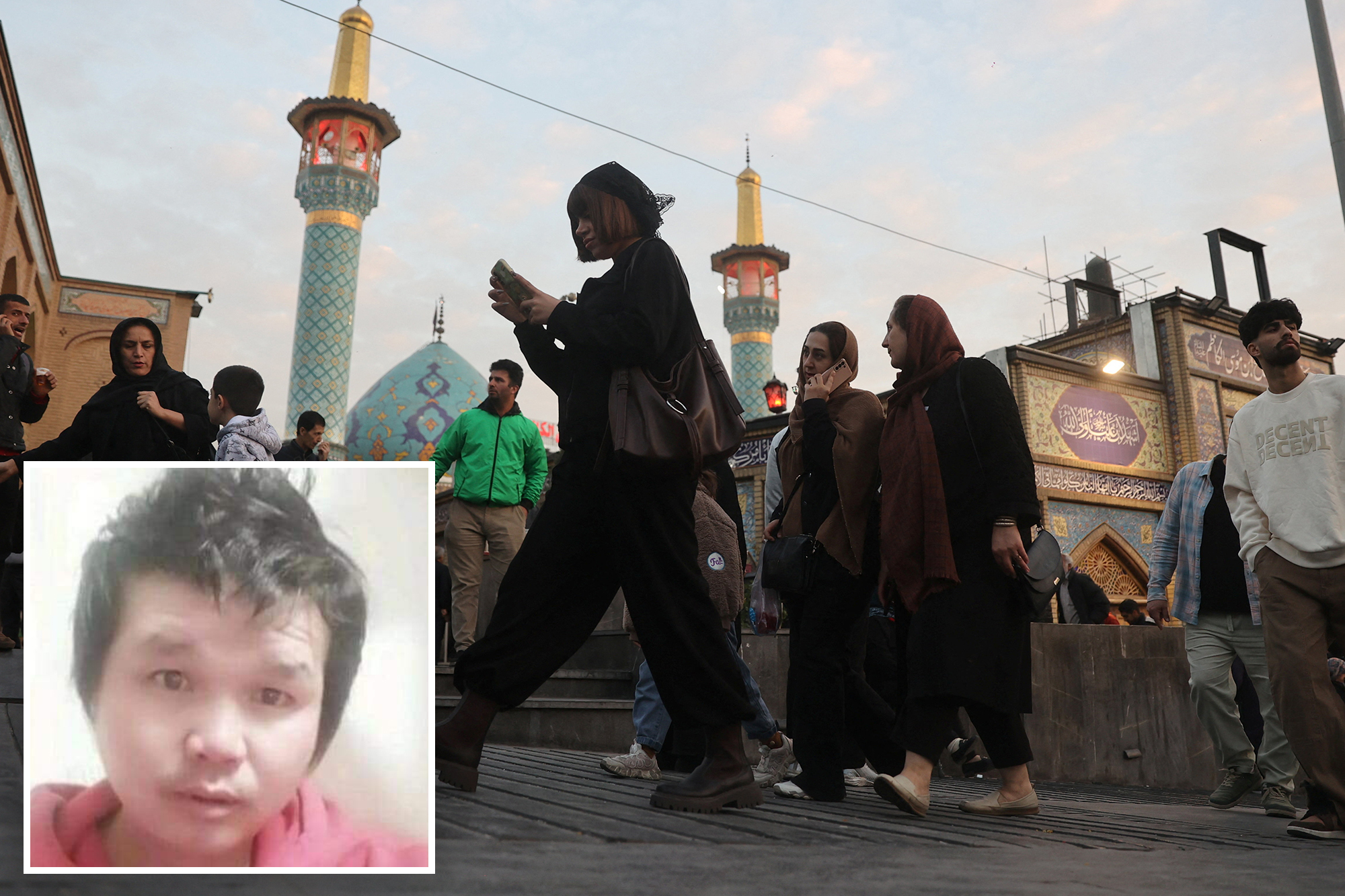
By mid-2024, Thailand formally severed diplomatic ties with Israel. Throughout the subsequent two-year conflict, an additional eight Thai captives were returned. Among them was Sudthisak Rinthalak, whose remains were returned to Thai officials on December 3, 2023. Rinthalak had been working on a farm near the Gaza border when he was abducted. His funeral took place this week in Thailand, marking a somber moment for the nation.
The developments surrounding this situation highlight the complex interplay of international relations and humanitarian concerns. Thailand’s decision to initially engage with Iran underscores the delicate balance nations must maintain in responding to crises that involve their citizens abroad. As the region continues to navigate the aftermath of the October 7 attack, the implications of these diplomatic maneuvers remain significant.