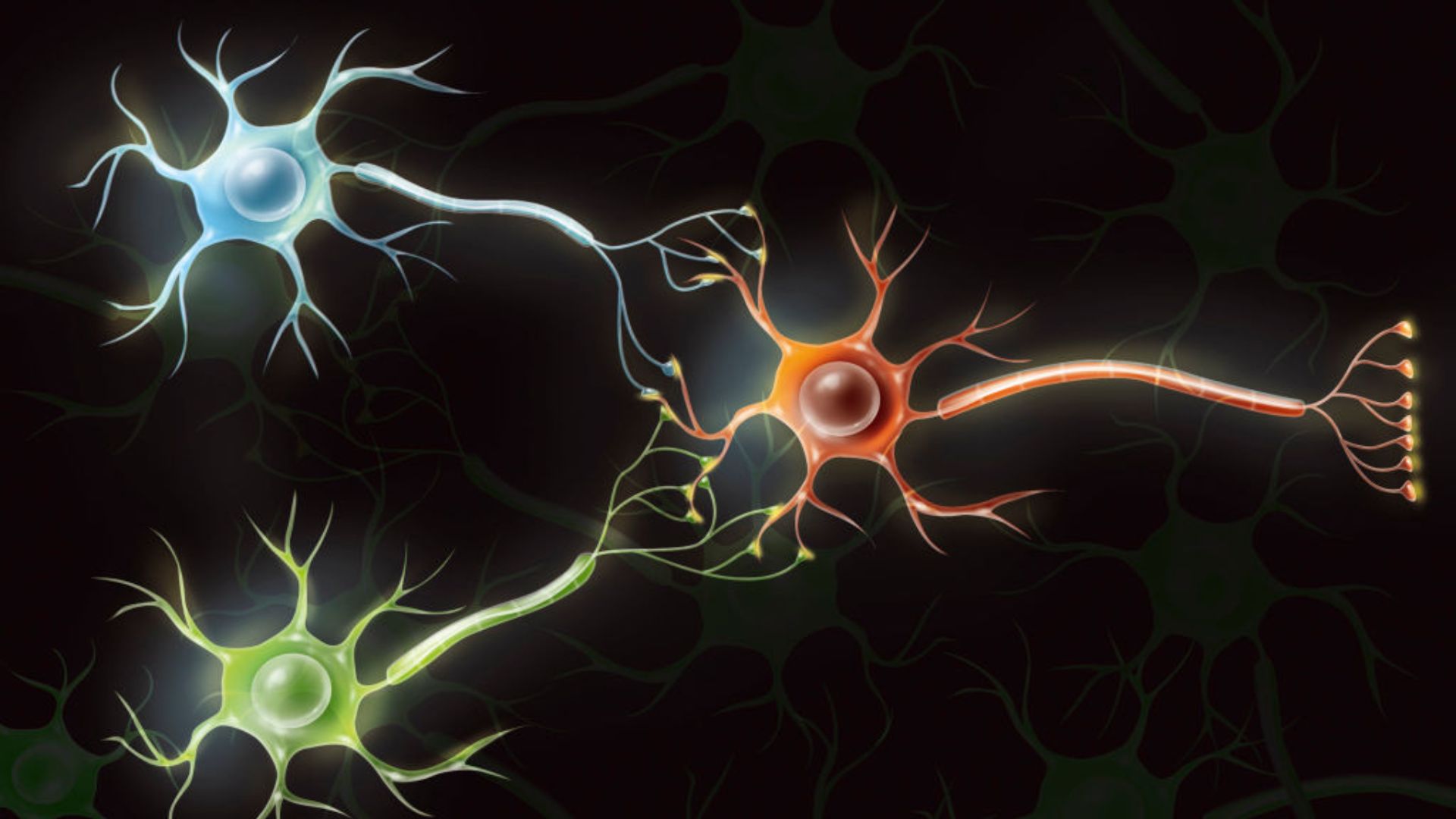
Innovative research from the University of California, San Diego, has resulted in a groundbreaking development in biotechnology. Scientists have successfully transformed human brain cells into functional computers, marking a significant advancement in the field of biocomputers. This pioneering work, which began in earnest in July 2023, uses biologically derived materials such as DNA, proteins, and lab-grown neurons to perform complex computational tasks.
Biocomputers represent a shift from traditional silicon-based technology, leveraging the unique properties of biological systems. By utilizing living cells, researchers can create systems that not only process information but also adapt and learn. This approach offers potential advantages in terms of efficiency and speed, particularly for tasks that involve processing vast amounts of data.
The research team, led by Dr. Edward Chang, a prominent figure in neurotechnology, has reported that these biocomputers can mimic certain functions of the human brain. In a series of experiments, they demonstrated that lab-grown neurons could be programmed to respond to various stimuli, effectively performing calculations in real-time.
Potential Applications and Implications
The implications of this technology are profound. Biocomputers could revolutionize fields such as artificial intelligence, medicine, and environmental science. For instance, they may be used to develop advanced diagnostic tools that process biological data more effectively than current technologies. Furthermore, their ability to learn and adapt could lead to the creation of systems that improve over time, offering solutions to complex problems.
Dr. Chang emphasized the importance of this research in a recent interview, stating, “We are on the cusp of a new era in computing where biological systems can play a crucial role in advancing technology. The potential applications are vast and could fundamentally change how we approach computing.”
Challenges and Future Research
Despite the promising results, several challenges remain. The scalability of biocomputers is a significant concern, as is the integration of biological materials with existing technologies. Researchers are actively exploring ways to overcome these hurdles, with ongoing studies aimed at refining the processes involved in creating and maintaining these systems.
As the research progresses, collaborations with various institutions and industries will be essential to ensure the successful application of biocomputer technology. While still in its early stages, this development opens the door to a future where biological computing could become a staple in technological advancements.
In conclusion, the transformation of human brain cells into functional computers marks a remarkable achievement in science. This research not only showcases the potential of biocomputers but also encourages a rethinking of how we approach computation and technology in our increasingly complex world.