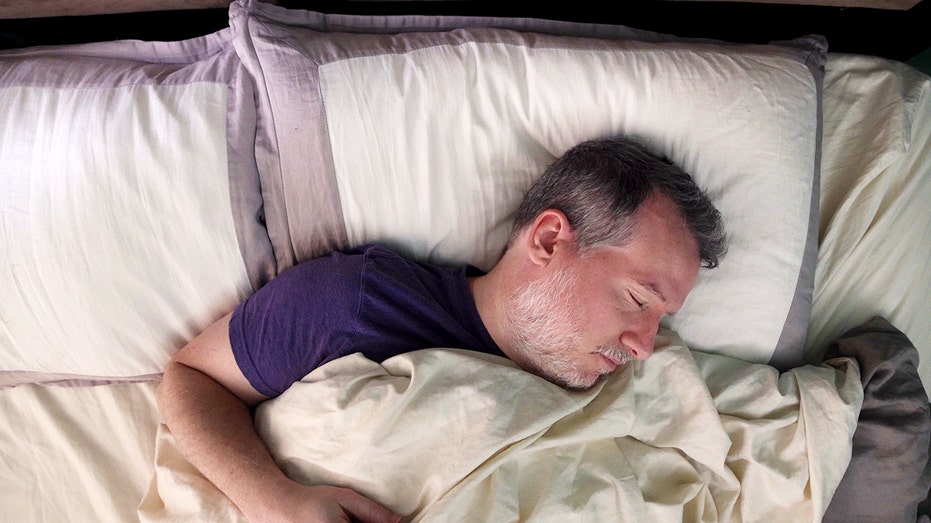
Research indicates that common sleep positions may pose unexpected health risks, particularly concerning nerve health. Experts, including clinical psychologist and behavioral sleep specialist Shelby Harris, highlight that the way individuals sleep can lead to discomfort and a range of health issues beyond mere back pain.
Many people choose their sleep posture based on comfort, but it is essential to recognize that certain positions can lead to complications. Sleeping in awkward positions can cause pressure on nerves, muscles, and ligaments, resulting in symptoms that may manifest the following day. Harris emphasizes the importance of comfort but also points out that problematic sleep positions can leave individuals feeling less than rested.
According to research, sleeping with joints bent or limbs tucked can compress nerves and reduce circulation. For example, positions often referred to as the “T. rex position,” where a person sleeps with arms tucked closely, can lead to numbness due to nerve compression. A 2023 review of cubital tunnel syndrome warns that maintaining a sharply bent elbow while sleeping can increase pressure on the ulnar nerve, exacerbating symptoms of numbness and pain in the forearm.
While some may assume that back sleeping is a safer alternative that minimizes arm compression, experts caution that this position can contribute to snoring and acid reflux. The Sleep Foundation notes that it is crucial to weigh the benefits and risks associated with various sleep postures before making adjustments.
Examining Different Sleep Positions
The Sleep Foundation has provided a comprehensive analysis of the implications of stomach sleeping, which is linked to misalignment of the spine. This position can result in back, neck, and shoulder pain, as it necessitates turning the head to one side for breathing. Interestingly, stomach sleeping is the least common position; however, it has been associated with a reduction in snoring.
According to Harvard Health, side sleeping is the most prevalent position and offers several advantages. Experts suggest that side sleeping can alleviate pressure on the body, making it a favorable choice for many people. Clinical guidelines from the Mayo Clinic further recommend side sleeping with slightly bent knees and a pillow between the legs to enhance spinal alignment and reduce back strain.
As individuals age or encounter medical issues, the significance of sleep position increases. Johns Hopkins Medicine advocates for side or back sleeping as more supportive options for maintaining overall health.
For those struggling to transition from stomach sleeping, various sleep resources advise gradual changes, such as adopting thinner pillows or trying to sleep without a pillow to minimize neck twist and lumbar arch. If sleep issues persist, Harris advises consulting a sleep specialist for tailored solutions.
In conclusion, while comfort is paramount for a restful night’s sleep, awareness of the potential dangers associated with certain sleep positions is crucial for overall health. Adjusting sleep habits may lead to better quality rest and improved well-being in the long run.