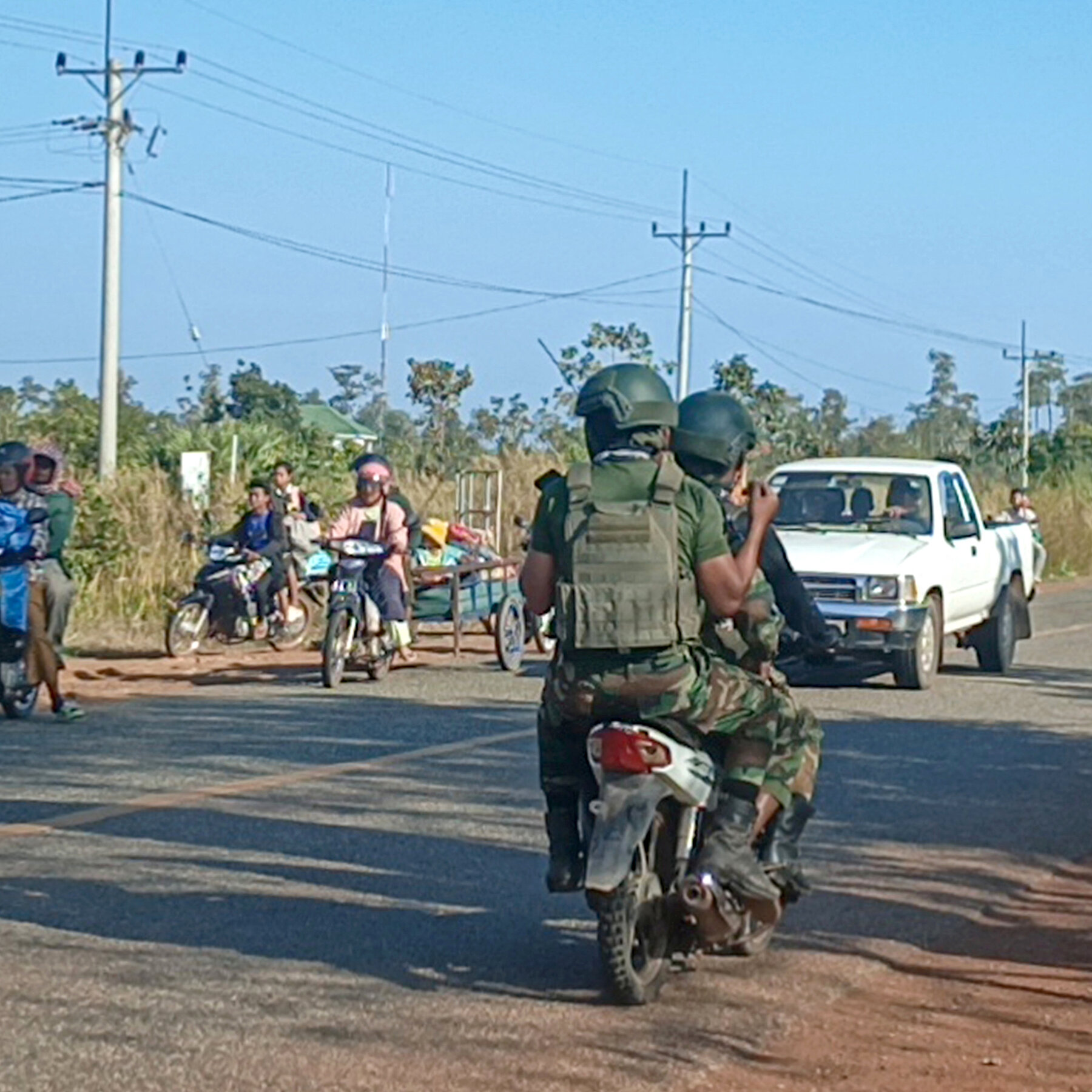
The ongoing tensions between Thailand and Cambodia escalated significantly on July 5, 2023, as both nations engaged in airstrikes along their disputed border. This violent clash marks a serious deterioration in relations, with each country accusing the other of initiating the conflict.
The recent hostilities come just weeks after former President Donald Trump attempted to mediate in the longstanding border dispute that has plagued the two Southeast Asian neighbors for decades. His efforts, which were aimed at fostering peace and dialogue, now appear overshadowed by the renewed violence.
The airstrikes reportedly targeted military installations and strategic positions, leading to significant damage and casualties on both sides. Although exact figures remain unclear, sources indicate that at least 50 soldiers have been injured, with several civilian areas affected by the bombardments. Local government officials from both Thailand and Cambodia have called for immediate ceasefire talks to prevent further escalation.
Historical Context of the Dispute
The border dispute between Thailand and Cambodia primarily centers on the area around the historic Preah Vihear Temple, a UNESCO World Heritage site. The temple’s location has been a point of contention since a ruling by the International Court of Justice in 1962, which awarded ownership to Cambodia but left many surrounding areas undetermined.
In recent years, sporadic skirmishes have erupted, fueled by nationalistic sentiments and unresolved territorial claims. The conflict has often drawn in regional powers, raising concerns about the stability of Southeast Asia. The latest airstrikes represent one of the most serious escalations in this ongoing saga.
Diplomatic channels have been strained, with both countries recalling ambassadors and issuing stern statements against each other’s military actions. Observers fear that without intervention, the situation could spiral into a larger conflict, threatening regional security and stability.
International Reactions and Future Implications
The international community has reacted with concern. The United Nations has urged both Thailand and Cambodia to exercise restraint and return to the negotiating table. Analysts suggest that a prolonged conflict could have severe implications for both countries, particularly economically. Thailand, which relies heavily on tourism, could see a decline in visitors due to concerns over safety.
Moreover, the situation could impact trade relations in the region. Both nations share significant economic ties with neighboring countries, and ongoing violence could disrupt these connections.
As the situation unfolds, the world watches closely, hoping for a resolution that avoids further loss of life and property. Continued dialogue and diplomacy will be crucial in mitigating the risks of a larger military confrontation in Southeast Asia.