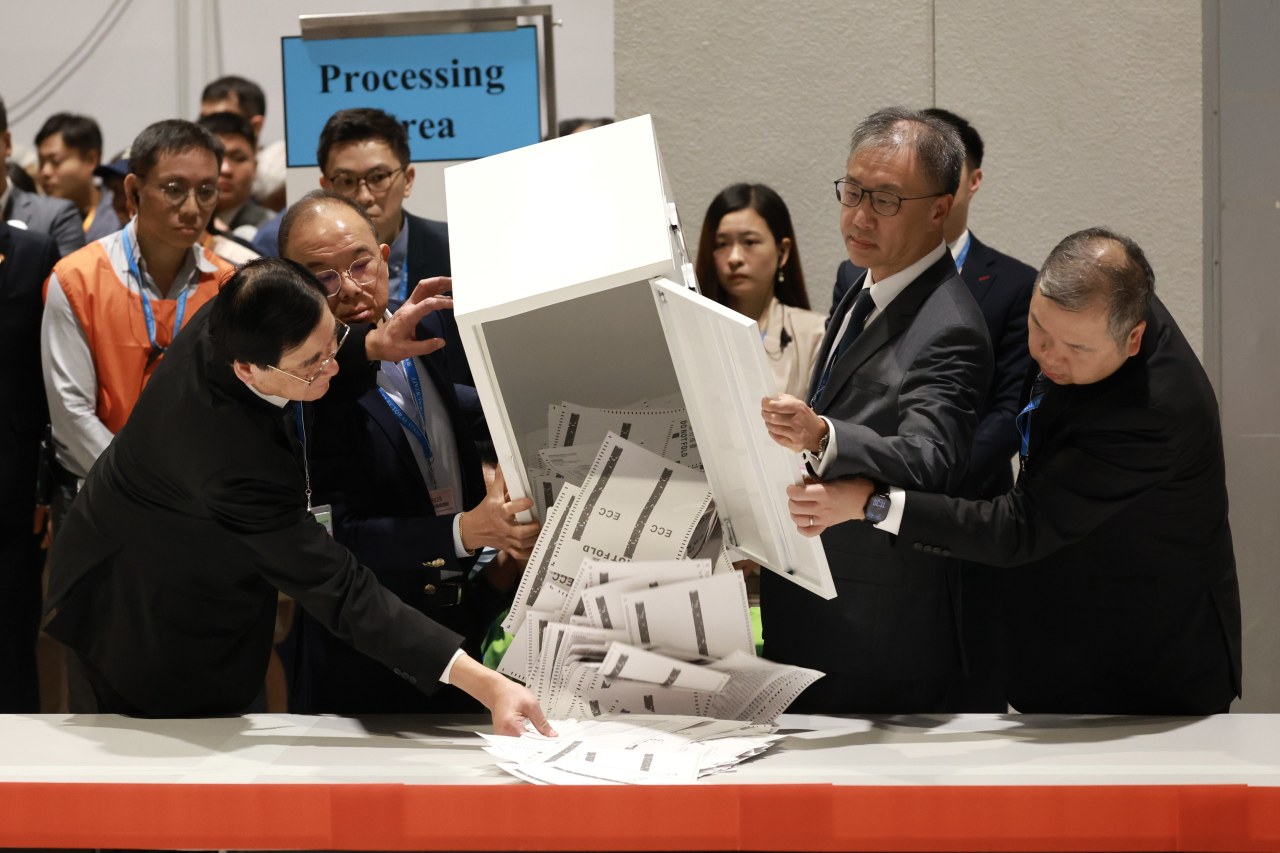
Voter turnout in the recent Hong Kong election remained dismally low, reflecting ongoing political tensions and restrictions on candidate eligibility. Only about 30% of registered voters participated in the election held in September 2023. The ballot was restricted to candidates deemed “patriots,” a term defined by authorities in Beijing, effectively limiting the political landscape.
Despite efforts to encourage participation, including a get-out-the-vote campaign, the election was marked by a significant absence of pro-democracy candidates. The strict vetting process implemented by the Election Committee has drawn criticism from various political observers and activists. This election follows the controversial legislative changes that have reshaped Hong Kong’s political environment since the introduction of the National Security Law in 2020.
In the lead-up to the election, many citizens expressed apathy towards the voting process, with some questioning the legitimacy of a system that excludes opposition voices. A resident who wished to remain anonymous stated, “Why should I vote when the choices are so limited?” This sentiment reflects a broader disillusionment among the populace regarding democratic processes in the region.
The low turnout is significant, as it represents a continuation of a downward trend in voter engagement in Hong Kong. Previous elections saw participation rates that were markedly higher, illustrating a stark contrast to the current political climate. According to the Hong Kong Electoral Affairs Commission, turnout figures have plummeted since the protests of 2019, which were a response to perceived encroachments on civil liberties by the central government.
International observers have noted that the restrictive measures imposed by Beijing have effectively stifled political dissent and undermined the electoral process. Political analyst Dr. Maria Chan commented, “The framework established by the Chinese government has created an environment where true democratic engagement is nearly impossible.”
As the results of the election are tallied, the implications for Hong Kong’s political future remain uncertain. The government has hailed the election as a success, citing the need for stability and order. However, the persistent low turnout suggests a deepening divide between authorities and the electorate.
Looking forward, questions loom over the future of political representation in Hong Kong. The limited scope for political expression may continue to affect civic engagement and the public’s trust in electoral systems. As residents navigate this complex landscape, the hope for a more inclusive political dialogue persists, albeit against a backdrop of stringent regulations and oversight.
The Hong Kong election serves as a crucial reminder of the ongoing struggle for democratic freedoms and the challenges faced by citizens in exercising their political rights in the region.