In a significant move for U.S. defense spending, lawmakers have released a compromise version of the fiscal year 2026 National Defense Authorization Act (NDAA) that proposes an additional $8 billion for the Pentagon beyond the initial request made by the Trump administration. The NDAA, which is a critical piece of legislation governing military funding and policy, aims to bolster various key programs, particularly those related to aerospace and military aviation.
Key Provisions of the NDAA
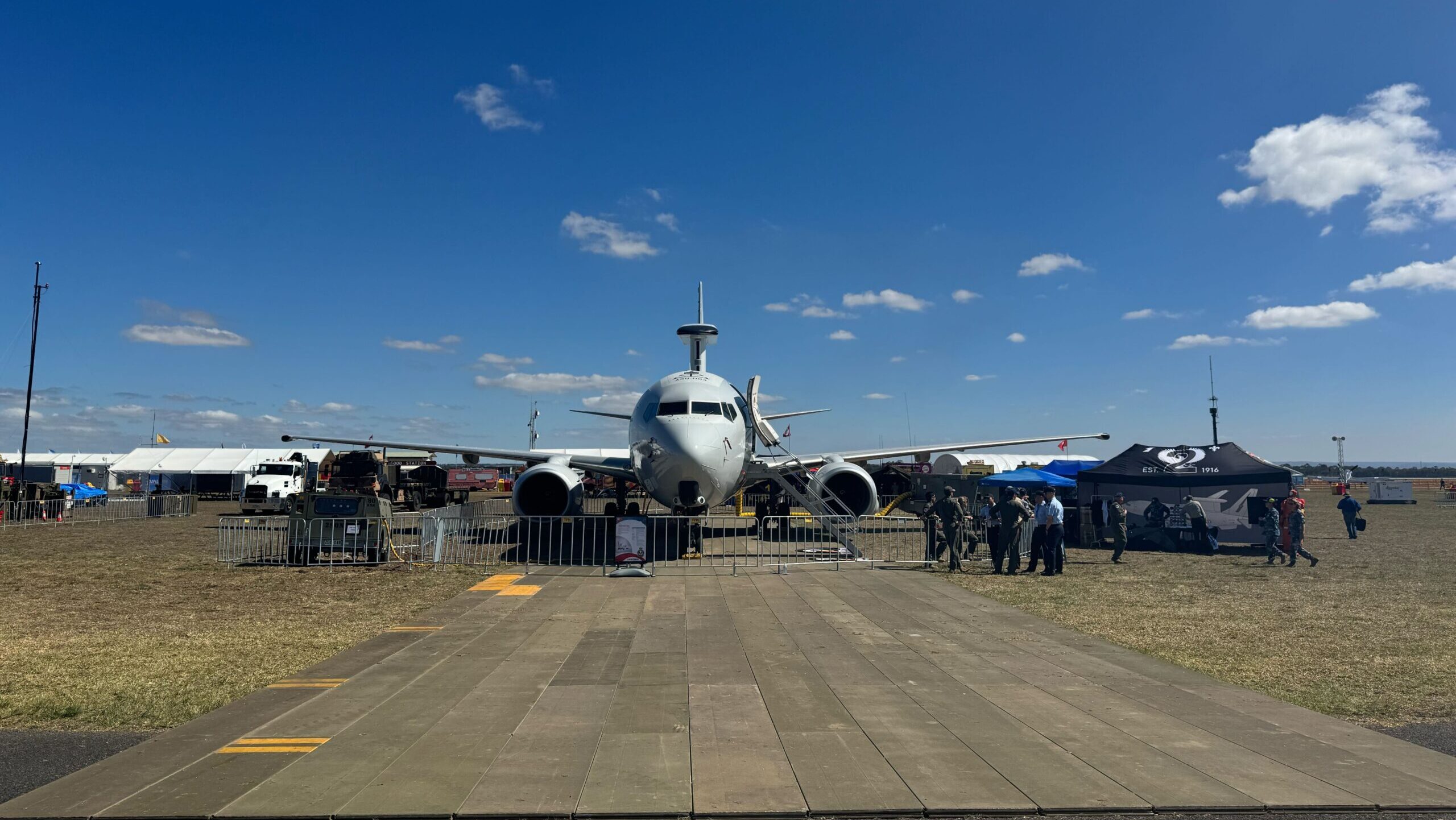
The proposed NDAA seeks to ensure the continuation of the E-7 Wedgetail program, which encountered significant opposition during the previous administration. Lawmakers have allocated $846.7 million for the development and procurement of this radar plane, reflecting a commitment to modernize the Air Force’s capabilities. Additionally, the bill authorizes $250 million for the purchase of a new jet under the Air Force’s C-40 program, which serves VIP transport needs.
One of the notable changes in the NDAA is the new requirement for the Air Force to maintain a minimum of 502 tankers in its inventory by October 2028, up from the current threshold of 466. This directive aims to preserve retired aircraft while slowing down planned retirements, including the A-10 fleet and F-15E fighters.
The NDAA also addresses the procurement of spare parts for the F-35 Joint Strike Fighter, allocating an additional $250 million for F-35A parts and $125 million each for F-35B and C variants. The bill reflects concerns over delays in the development of the jet’s Block 4 upgrade, with a collective budget cut of over $300 million for its expansion across the Air Force, Marine Corps, and Navy.
Army Initiatives and Future Plans
The Army, which is the largest branch of the U.S. military, is set to receive new multiyear procurement authority for the Black Hawk UH-60 helicopters starting in fiscal year 2027. This decision comes after a series of cuts to the Army’s aviation portfolio as part of its Transformation Initiative, which prioritizes the Future Long-Range Assault Aircraft (FLRAA) program designed to eventually replace the Black Hawk.
Army officials, including Secretary Dan Driscoll and Chief of Staff Gen. Randy George, have previously sidestepped inquiries regarding the Black Hawk’s future, emphasizing the need to accelerate FLRAA production. However, Maj. Gen. Clair Gill, the Program Acquisition Executive of Maneuver Air, has affirmed that Black Hawks will remain operational for the foreseeable future, focusing on fleet modernization.
The NDAA supports this goal by authorizing an additional $100 million for Black Hawk modernization efforts. Furthermore, it allows for early production contracts of the FLRAA, with a mandate for Driscoll to provide a comprehensive briefing to Congress within 180 days of the NDAA’s enactment. This briefing will outline the implementation plan and timeline for early production, as well as details regarding the industrial base readiness and expected operational benefits from these initiatives.
Overall, the NDAA reflects a concerted effort by lawmakers to enhance U.S. military capabilities while navigating budgetary discussions. As Rep. Adam Smith noted, the final funding levels will ultimately depend on the negotiations conducted by congressional appropriators. The NDAA is a crucial step in shaping the future of U.S. defense strategy and ensuring that critical programs like the E-7 Wedgetail and the Black Hawk remain funded and operational.