A recent inquiry highlights the complexities of friendship dynamics, as an individual reflects on the sudden distancing of two friends, James and Jon. The author, who wishes to remain anonymous, suspects that a mutual acquaintance, Paulo, played a significant role in this disconnection. The situation raises important questions about communication and accountability in relationships.
Understanding the Friendship Breakdown
The individual described a scenario where James and Jon abruptly ceased contact, leaving them confused and hurt. This shift in friendship was not attributed to any direct conflict between the three friends. Instead, upon deeper reflection, the author recognized that issues between themselves and Paulo could have influenced James and Jon’s decision to distance themselves.
It became apparent that Paulo had expressed his grievances about their friendship to James and Jon, which likely shaped their perceptions. The author is now contemplating how to address this situation with Paulo, acknowledging the potential for defensiveness but also recognizing the need for clarity.
Strategies for Resolving Conflict
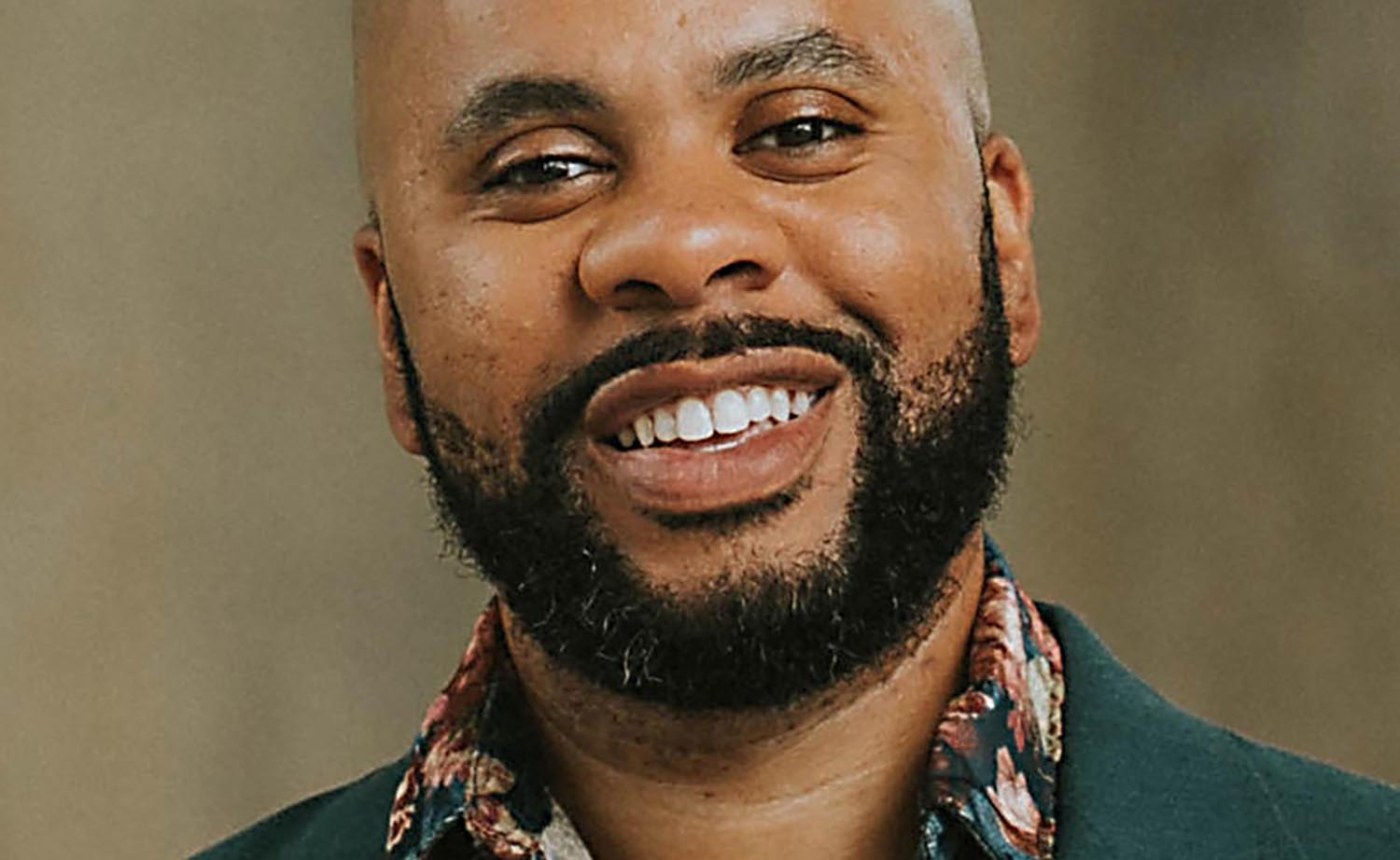
In response to this dilemma, Eric Thomas, a well-regarded relationship advice columnist, suggests that the first step should be a direct conversation with James and Jon. He emphasizes the importance of prioritizing the friendships that are at stake rather than bringing Paulo into the discussion prematurely.
According to Thomas, while Paulo’s influence may have contributed to the distancing, James and Jon are independent individuals capable of making their own choices. The best approach is to communicate openly and honestly, using “I” statements to express feelings without placing blame. The author could say, “I am saddened by the choice to end our friendship and would appreciate the opportunity to clear the air.”
This direct dialogue may provide insight into their reasons for withdrawing and might pave the way for reconciliation. However, Thomas also cautions that James and Jon may not be ready or willing to restore the friendship, and this possibility should be accepted.
Evaluating the Role of Paulo
As for Paulo, the author should consider what they hope to achieve from addressing him. If the friendship has truly run its course, attempting to convince Paulo of his influence may not yield the desired outcome. Instead, focusing on fostering positive relationships moving forward may be more beneficial.
This situation serves as a reminder of the complexities inherent in friendships and the importance of clear communication. Addressing misunderstandings early can prevent them from escalating and allow for healthier relationships.
For those dealing with similar challenges, taking the time to reflect on interpersonal dynamics and engaging in open conversations can lead to resolutions that respect everyone’s feelings and perspectives.
Readers are encouraged to send their relationship questions to Eric Thomas at [email protected] or P.O. Box 22474, Philadelphia, PA 19110. You can also follow him on Instagram @oureric and subscribe to his weekly newsletter at rericthomas.com for more insights.