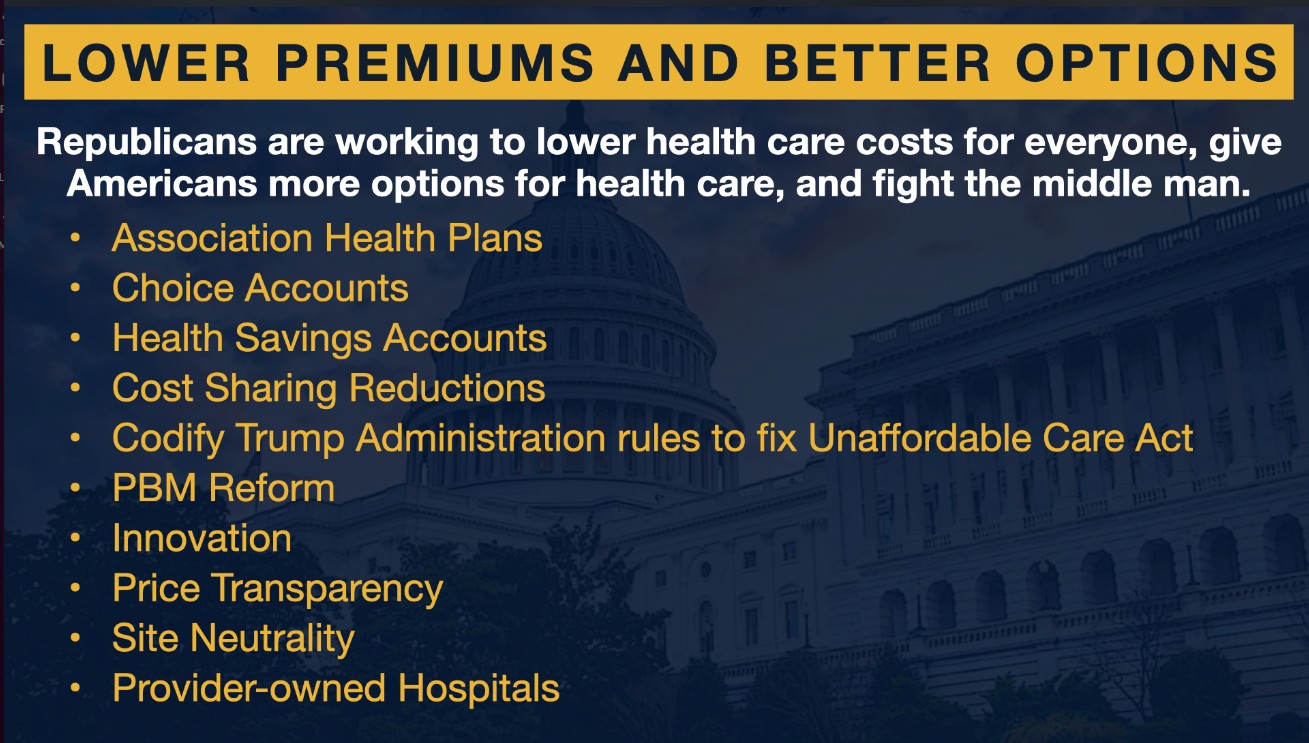
House Republican leaders have not yet solidified a strategy to advance health care legislation, generating concern within the party as key subsidies under the Affordable Care Act are set to expire on December 31, 2023. During a recent closed-door conference, Speaker Mike Johnson presented a list of ten potential policy options aimed at garnering votes in the coming weeks or months. This list included both specific proposals, such as expanding Health Savings Accounts and reforming oversight of pharmaceutical benefit managers, as well as more ambiguous suggestions like the term “Innovation.”
The absence of a plan to extend the expiring tax credits prompted a vigorous discussion among party members, particularly those in vulnerable districts. Representative Jen Kiggans of Virginia voiced concerns regarding the potential political repercussions of failing to address the subsidies, which many believe could impact the party’s standing in the upcoming elections.
Several members expressed frustration over what they perceive as ineffective leadership on this critical issue. “There was a general uneasiness because nothing is coming together,” noted a House Republican who requested anonymity to speak freely about the closed meeting. Another conservative member lamented, “We wasted so much time,” emphasizing the urgency with only seven legislative days remaining this year.
During the discussion, more than twenty Republican members from various factions took to the microphones to share their views. Hard-liners voiced their opposition to any extension of the subsidies unless accompanied by restrictions on abortion coverage. This stance starkly contrasts with the perspectives of Republicans in at-risk districts who are concerned about the potential fallout from such a position.
“There was no consensus,” remarked Rep. Ralph Norman of South Carolina, highlighting the division within the party. Despite the lack of agreement on extending the expiring tax credits, GOP leaders remain optimistic about advancing certain bills next week, focusing on less contentious measures like the HSA expansion and a program to lower out-of-pocket costs for Obamacare enrollees.
Johnson suggested that discussions surrounding health care could extend into the first half of next year, just prior to the midterm elections, indicating that the party may continue to seek solutions beyond the current legislative session. As the clock ticks down to the end of the year, the pressure mounts for Republicans to find a coherent approach to a matter that affects millions of Americans.