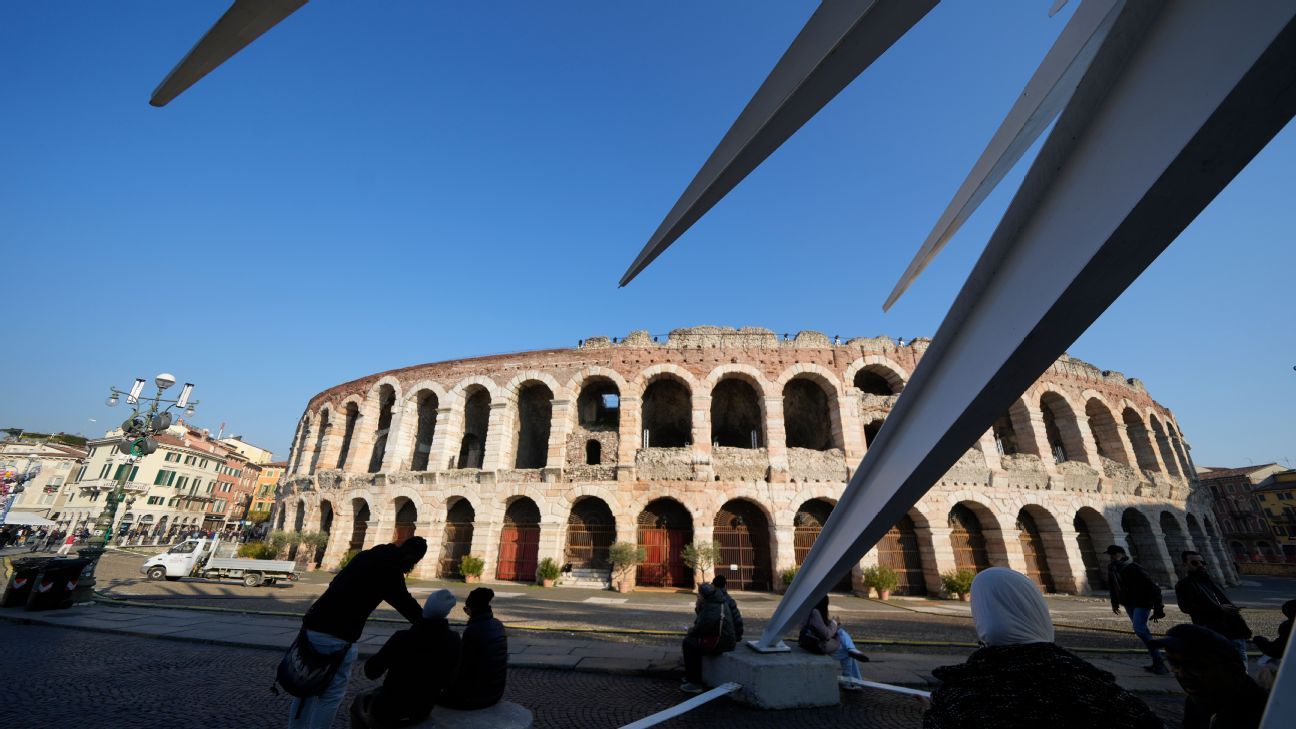
The ancient Roman Arena in Verona is set to undergo significant renovations to enhance accessibility and safety ahead of the 2026 Milan Cortina Games. This historic structure will host both the Olympic closing ceremony on February 22, 2026 and the Paralympic opening ceremony on March 6, 2026. The upgrades aim to make the venue more welcoming for individuals with disabilities and improve overall safety features that have been in place for decades.
Built in the 1st century, the Verona Arena has served various purposes over the years, from gladiatorial contests to a medieval marketplace and a renowned opera festival venue. Despite its rich history, the Arena has lacked adequate accessibility for those requiring assistance. The upcoming Winter Games have provided a unique opportunity to modernize this ancient site, which predated the Roman Colosseum.
Comprehensive Accessibility Improvements
The renovation project, valued at 18 million euro ($21 million), focuses on enhancing accessibility not only within the Arena but also in the surrounding area. The initiative is being overseen by the governmental organization responsible for Olympic infrastructure. Among the key features are improved sidewalks leading to the Arena, designed to accommodate wheelchairs and strollers with the addition of curb ramps.
New dedicated bike lanes will also be established, ensuring safe passage for all visitors. Paralympians will benefit from a significantly upgraded route for the Parade of Athletes, making it easier for those with mobility challenges to navigate through Corso Porta Nuova, across Piazza Bra, and into the Arena.
Architect Giulio Fenyves, whose Milan studio is leading the design efforts, emphasized the importance of integrating new features in a way that respects the Arena’s historical significance. “This is an ancient monument that remains active and hosts audiences,” he stated. “The occasion of the Olympics has made it possible to reconsider a series of logistical aspects, including facilitating entry and exit.”
Innovative Features and Legacy Plans
One of the standout features of the renovation is a wheelchair-accessible ramp made from pre-rusted steel and local Prun stone, the same material used in the original construction of the Arena. This stone, known for its pinkish-yellow hue, contains fossilized shells from a prehistoric sea. The ramp is designed to be removable, but project manager Paolo Zecchinelli expressed hope that it will remain as a lasting legacy of the Games.
In addition to the ramp, the project includes the installation of new railings and handrails throughout the Arena, replacing outdated versions that were originally intended to be temporary. Bathrooms will also receive renovations to improve accessibility, with new ramps being installed for ease of access.
The overall renovation strategy will continue beyond the Olympic events, including plans for an elevator that will provide access to the Arena’s uppermost level, allowing individuals with limited mobility to enjoy performances and views of the surrounding hills.
“This project will not only serve the needs of the Games but will also enhance the experience for both tourists and locals who attend opera performances and other events,” Zecchinelli noted. As the Verona Arena prepares for its prominent role in the upcoming Olympic festivities, these renovations will ensure that it remains a vibrant and accessible cultural landmark for years to come.