A new film produced by Netflix featuring a transgender coal miner has ignited controversy, raising concerns about the platform’s evolving content strategy. Set against a backdrop of potential media consolidation, critics argue that this project could significantly impact the future direction of Warner Bros. if Netflix successfully acquires the studio.
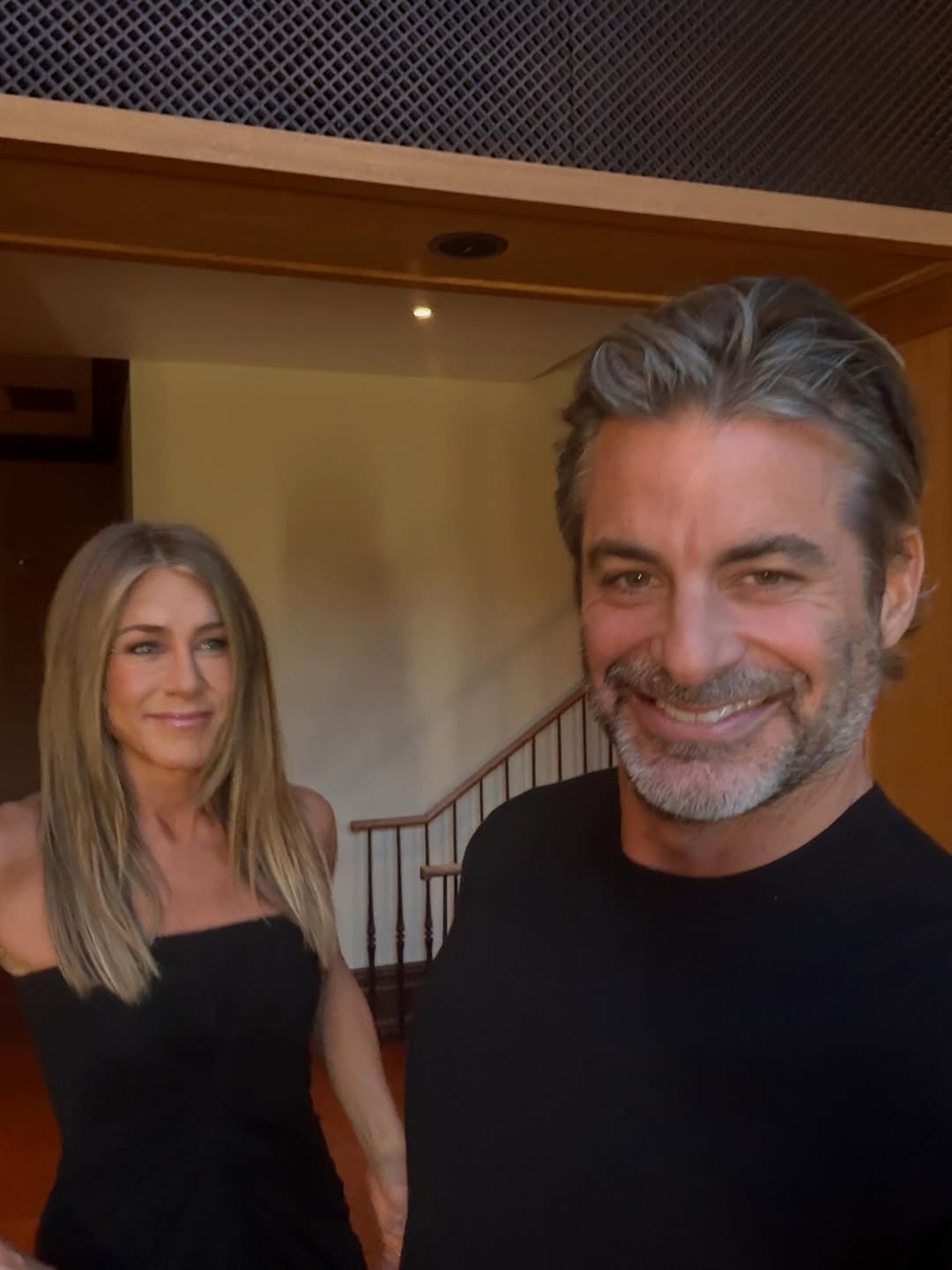
The film centers on a character named Carlita, portrayed by Lux Pascal, the real-life transgender brother of actor Pedro Pascal. Carlita aspires to work in the coal mines of Patagonia, Argentina, where she faces societal challenges rooted in superstition and patriarchy. The official synopsis describes her journey to carve out a place for herself in an industry dominated by traditional norms.
Critics have characterized the film as emblematic of a “woke” agenda, sparking fears among some that Netflix’s content ethos could permeate Warner Bros. if the acquisition materializes. Social media user Ryan Fournier voiced his concerns, stating, “They are going to take the legendary home of *The Sopranos* and turn it into a woke wasteland. This is what a monopoly on your culture looks like.” Other commentators have echoed these sentiments, warning that the consolidation of media could limit parental oversight over children’s viewing choices.
The controversy surrounding Netflix’s project coincides with a competitive landscape, as Paramount has launched a hostile bid for Warner Bros., valuing the company at an enterprise price of $108.4 billion. This figure represents a significant premium of 139 percent over Warner Bros.’ stock price of $12.54 on September 10, 2023. Paramount’s offer includes not only film assets but also cable television channels, complicating the acquisition dynamics.
Critics of Netflix’s approach argue that the film’s focus on progressive themes could alienate audiences who prefer traditional narratives. The debate raises questions about the broader implications of media consolidation, particularly regarding creative expression and audience expectations. Some industry insiders warn that a successful Netflix acquisition might lead to an overhaul of Warner Bros.’ content, steering it further toward what they view as an extreme leftist agenda.
Despite the backlash, Netflix’s deal remains uncertain as Paramount’s aggressive bid intensifies the stakes. The outcome of this acquisition battle could reshape the media landscape, influencing how stories are told and what narratives dominate popular culture.
As the situation unfolds, industry observers will be watching closely to see how both companies navigate these challenges and what it means for the future of entertainment. The potential acquisition not only impacts shareholders but also poses significant questions about creative direction and audience engagement in a rapidly evolving media environment.