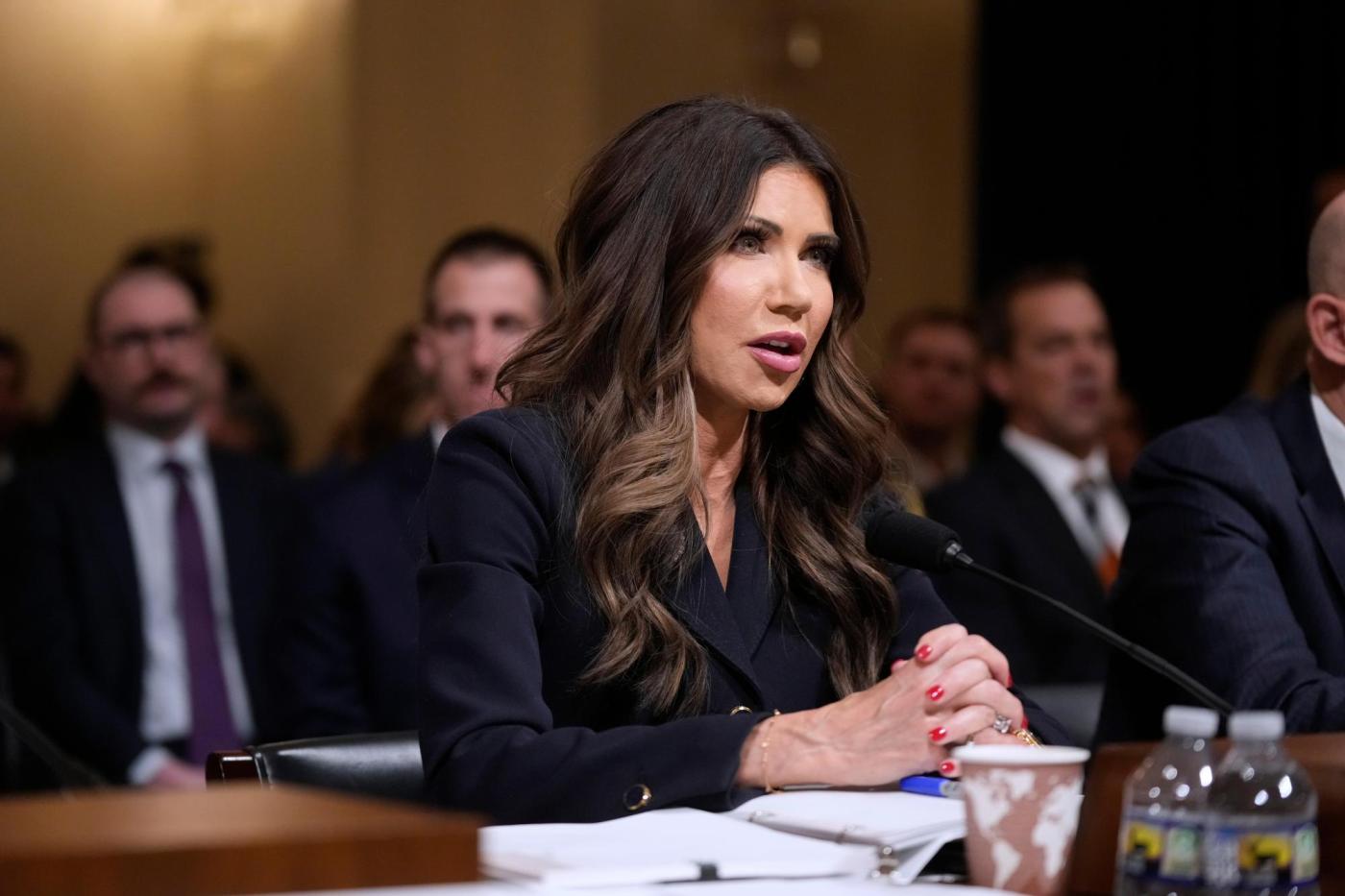
Homeland Security Secretary Kristi Noem announced on March 14, 2024, that the recent seizure of an oil tanker off the coast of Venezuela ties directly to the Trump administration’s counterdrug efforts in the region. This action reflects the increasing tensions between the United States and the government of President Nicolás Maduro, who has been accused by the U.S. of narcoterrorism.
Noem made her remarks during a testimony to the House Homeland Security Committee, marking the administration’s most detailed explanation regarding the operation that took place the previous day. The seizure of the tanker was described as an unusual yet significant move, showcasing the U.S. military’s role in enforcing drug trafficking laws.
Details of the Seizure and Its Implications
During the hearing, Noem characterized the operation as “successful,” emphasizing that it was directed by the president to combat a regime that she claims is “systematically covering and flooding our country with deadly drugs.” She pointed out that the action had prevented “lethal doses of cocaine” from entering the United States.
On the same day, President Donald Trump commented on the seizure, stating that it was executed for “a very good reason.” When asked about the fate of the oil aboard the tanker, Trump remarked, “Well, we keep it, I guess.” This statement indicates the administration’s intent to utilize the resources gained from such operations in its broader anti-drug strategy.
The U.S. has significantly increased its military presence in Latin America, marking the largest deployment in decades. The administration has launched numerous operations targeting alleged drug-smuggling vessels in the Caribbean Sea and eastern Pacific Ocean. These actions have drawn growing scrutiny from Congress, as lawmakers question the implications and effectiveness of such military campaigns.
Response from Venezuela and Next Steps
Venezuela’s government has condemned the seizure, labeling it a “blatant theft and an act of international piracy.” President Maduro asserts that the true objective of U.S. military operations is to destabilize his administration. This perspective highlights the ongoing conflict between the two nations, which has escalated as the U.S. intensifies its anti-drug efforts in the region.
As the Trump administration continues to justify its military actions as essential for curbing the influx of fentanyl and other illegal substances into the U.S., the situation remains complex. With land attacks being discussed, though details are scarce, the ramifications of these military strategies will likely unfold in the coming months.
The seizure of the tanker represents not only a tactical victory for U.S. drug enforcement but also a significant moment in the ongoing geopolitical struggle with Venezuela. As both nations navigate this turbulent relationship, the implications for regional stability and drug trafficking will continue to be closely monitored.