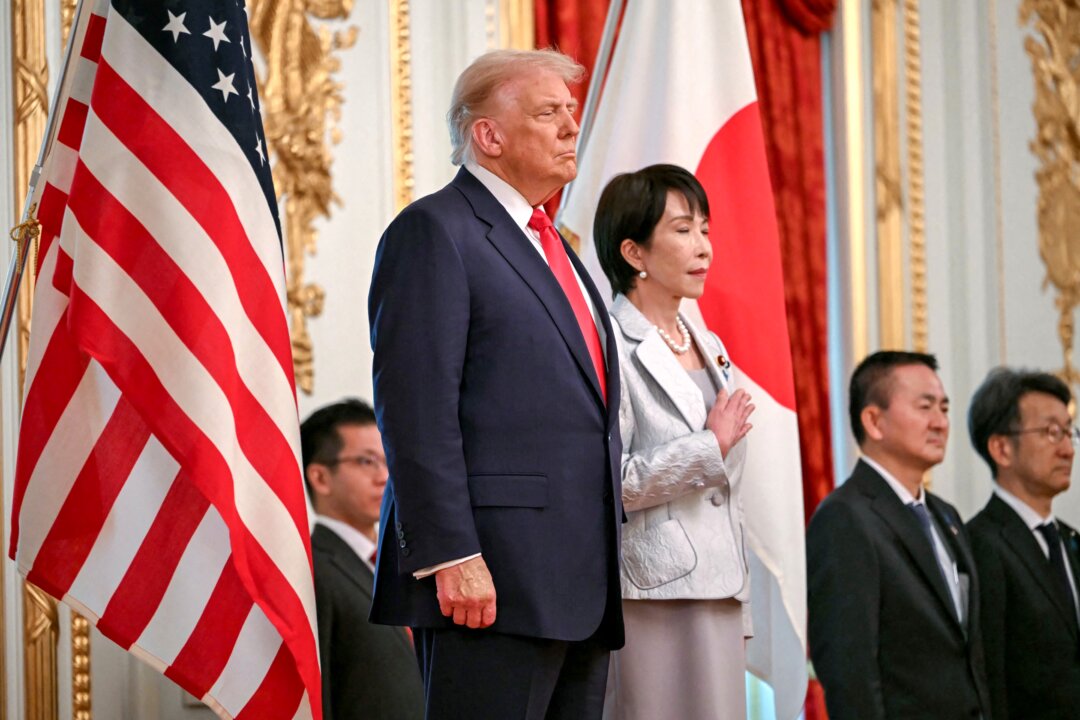
UPDATE: Beijing’s escalating military intimidation against Tokyo is forcing Japan to bolster its defense capabilities and strengthen ties with the United States. As tensions rise, experts warn that this aggression is backfiring, pushing Japan closer to Washington than ever before.
On December 10, Japan’s Defense Minister Shinjiro Koizumi stated that Beijing’s notification regarding upcoming military drills was inadequate, raising serious safety concerns. This statement comes on the heels of alarming incidents on December 6, when Chinese fighter jets launched from the Liaoning aircraft carrier reportedly locked their radars onto Japanese aircraft near Okinawa.
Japanese Prime Minister Sanae Takaichi expressed her dismay, labeling the actions as “extremely regrettable.” The situation has escalated tensions in the region, prompting Japan to reconsider its defense strategies and security alliances.
The implications of these developments are significant. Experts argue that Beijing’s provocative military maneuvers are inadvertently accelerating Japan’s defense modernization efforts. As Japan seeks to protect its sovereignty, its partnership with the U.S. could evolve into a more robust military alliance.
As this situation unfolds, all eyes are on Tokyo and Washington. The international community is closely monitoring how Japan responds to China’s assertive military presence in the region. With China’s actions prompting a re-evaluation of security policies, potential shifts in military cooperation are on the horizon.
In this climate of increasing urgency, Japan may soon announce new defense initiatives aimed at countering Beijing’s military posture. The stakes are high, and the potential for heightened conflict in the region has never been more pronounced.
Stay tuned for the latest developments as this story continues to evolve. The implications for peace and security in Asia are profound, and the world watches as Japan navigates this challenging landscape.