This week has seen significant developments in the fields of anthropology, marine biology, and astronomy, reshaping our understanding of both human evolution and the behavior of animals. From ancient fire-making by Neanderthals to unexpected alliances between orcas and dolphins, along with exciting cosmic phenomena, the latest findings provide a deeper insight into our world and beyond.
Neanderthals Harnessed Fire 400,000 Years Ago
A groundbreaking study has confirmed that Neanderthals were capable of making fire as early as 400,000 years ago. This research, published in March 2024, challenges previous estimates by roughly 350,000 years. The discovery was made at a site in Suffolk, England, where archaeologists found pyrite — a mineral known to produce sparks when struck against flint. The presence of this mineral at the site suggests that Neanderthals intentionally transported it to create fire.
Controlled use of fire is a pivotal moment in human evolution, enabling cooking and protection. The implications of this discovery extend beyond mere survival; it highlights the social and cultural practices of Neanderthals. As paleoanthropologists debate the significance of this finding, it adds to the evolving narrative of human ancestry and capabilities.
Orcas and Dolphins: Unlikely Allies
In marine biology, a recent study has revealed that orcas off the coast of British Columbia are cooperating with Pacific white-sided dolphins during salmon hunts. This behavior, documented for the first time, shows these two species sharing prey rather than exhibiting the usual predatory interactions.
The research indicates that these marine mammals often display minimal aggression towards each other, diverging from typical behaviors observed in other regions where orcas are known to hunt dolphins. The findings suggest a potential cooperative hunting strategy or, as some experts argue, a behavior driven by kleptoparasitism, where one species steals food from another.
Celestial Events Capture Attention
In space, astronomers are closely monitoring the binary star system known as V Sagittae, which is expected to go supernova in the next century. This system is currently emitting brilliant flares that will be visible to the naked eye, captivating skywatchers around the globe. The flares are anticipated to appear both day and night, providing a unique opportunity for astronomical observation.
Additionally, a mysterious X-ray signal detected from deep space may signal the final moments of a star being torn apart by two black holes. Such phenomena continue to pique the interest of scientists as they explore the complexities of the universe.
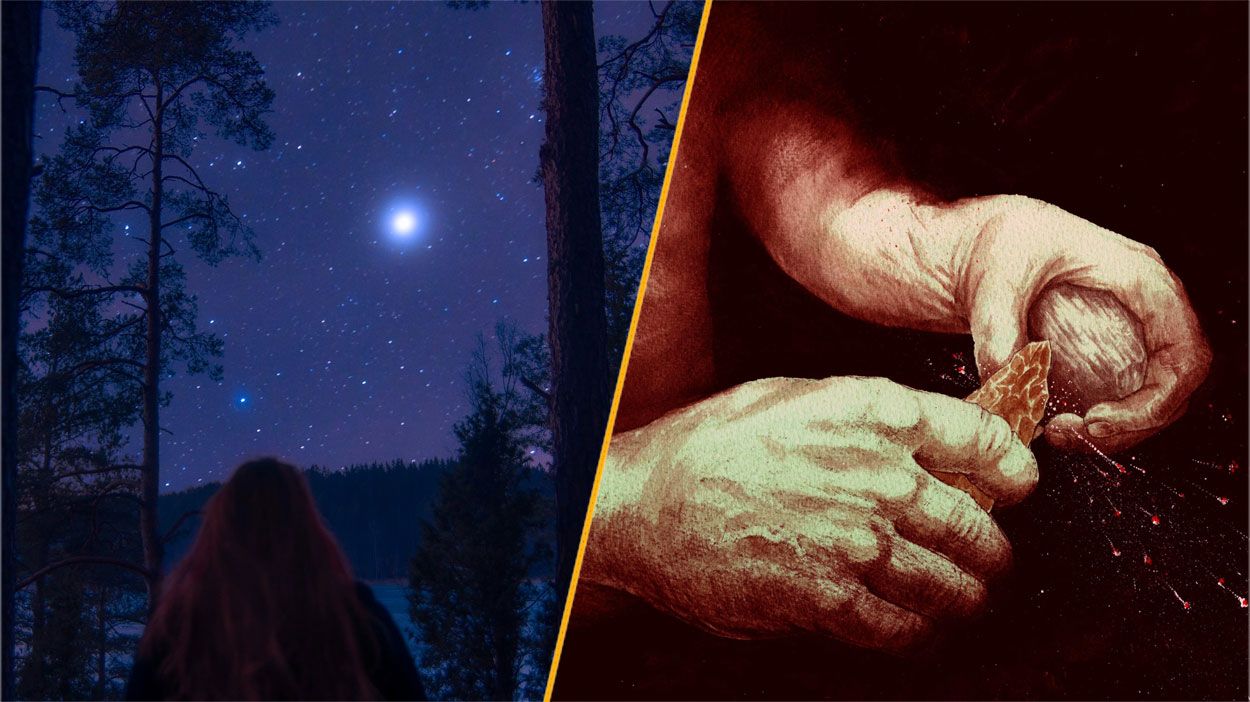
In a festive coincidence, Jupiter’s visibility in the night sky this month has sparked discussions about its potential connection to the Star of Bethlehem. While speculative, this alignment offers a fascinating perspective on historical celestial events.
Historical Insights from Vindolanda
Meanwhile, new archaeological findings at Vindolanda, a Roman fort along Hadrian’s Wall, are reshaping our understanding of life on the edges of the Roman Empire. The discoveries suggest that this frontier was not merely a military outpost but a vibrant community reflecting diverse aspects of Roman society.
These insights challenge previous notions of the Roman frontier, illustrating it as a complex and lively environment rather than a desolate boundary. Such findings contribute to a more nuanced view of the interactions between the Romans and the native populations of Britain.
As this week illustrates, the realms of anthropology, marine biology, and astronomy are rich with discoveries that enhance our understanding of both our past and the universe. The findings prompt us to reconsider what we know about human evolution and animal behavior while reminding us of the wonders that still exist beyond our planet.