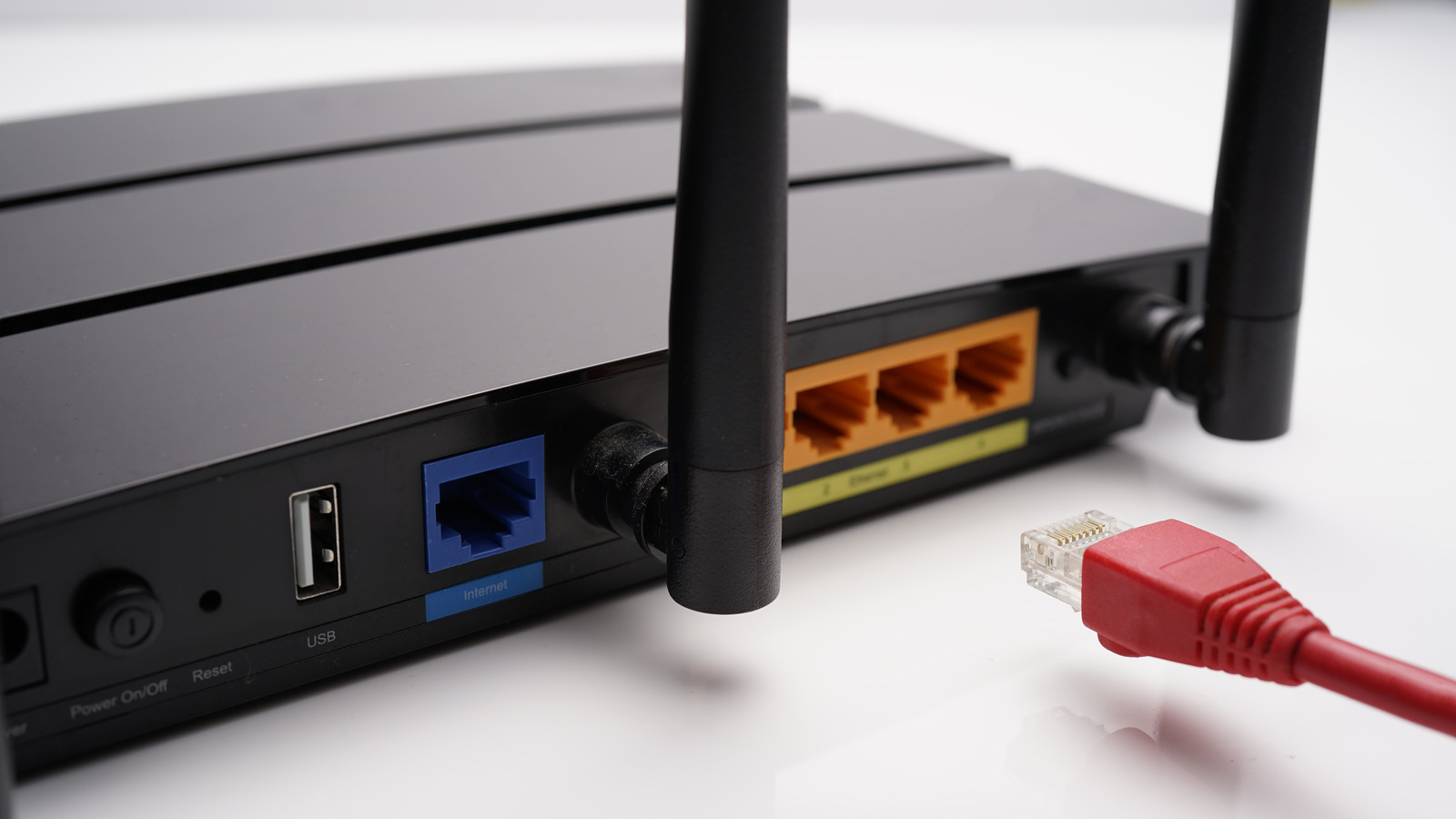
UPDATE: The tech world is buzzing as experts declare 2.4 GHz routers officially outdated for modern households. This urgent revelation highlights the significant limitations of these aging devices, particularly for families with multiple high-demand gadgets.
As of today, four out of five households in the U.S. rely on home network routers, yet many are still using these outdated 2.4 GHz models that date back to 1999. Originally part of the 802.11b standard, these routers were revolutionary with speeds of just 11 Mbps. Over time, improvements allowed speeds to reach up to 100 Mbps, but today, that simply cannot keep up with the demands of streaming, remote work, and gaming.
With the introduction of faster alternatives, such as 5 GHz routers that offer speeds up to 1 Gbps and the latest 6 GHz Wi-Fi 7 standard providing up to 2 Gbps, the limitations of 2.4 GHz routers are profoundly evident. Their inability to handle multiple devices simultaneously has become a pressing issue, especially in homes filled with smart gadgets and IoT devices.
Experts warn that the crowded 2.4 GHz frequency band is one of the main culprits behind poor connectivity. Devices like baby monitors, security cameras, and even microwave ovens can interfere, causing frustratingly slow internet speeds. This problem intensifies in apartment complexes where neighboring signals can clash.
However, don’t rush to dispose of your old router just yet! While it may be considered outdated, the 2.4 GHz router still offers greater range and better penetration through walls compared to its faster counterparts. For this reason, tech enthusiasts recommend repurposing these routers rather than discarding them entirely.
Consider using your 2.4 GHz router to connect IoT devices, which often thrive on its signal, or as a Wi-Fi extender to reach dead spots, despite the limited speed. TP-Link’s Archer GE230 Dual Band router is an excellent example of a modern device that incorporates dual-band functionality, allowing for compatibility with legacy devices while maintaining high performance for newer ones.
As technology advances, it’s crucial to stay updated. Households are encouraged to upgrade to dual- or tri-band routers that can effectively handle current demands. Using an older router as a supplementary device can help manage bandwidth efficiently, especially for low-bandwidth needs.
In conclusion, while the 2.4 GHz router served us well during the dawn of home networking, it now struggles under the weight of modern requirements. If you’re still using one, this is your wake-up call to consider an upgrade. The future of home connectivity relies on adapting to new technology—don’t let your outdated router hold you back!