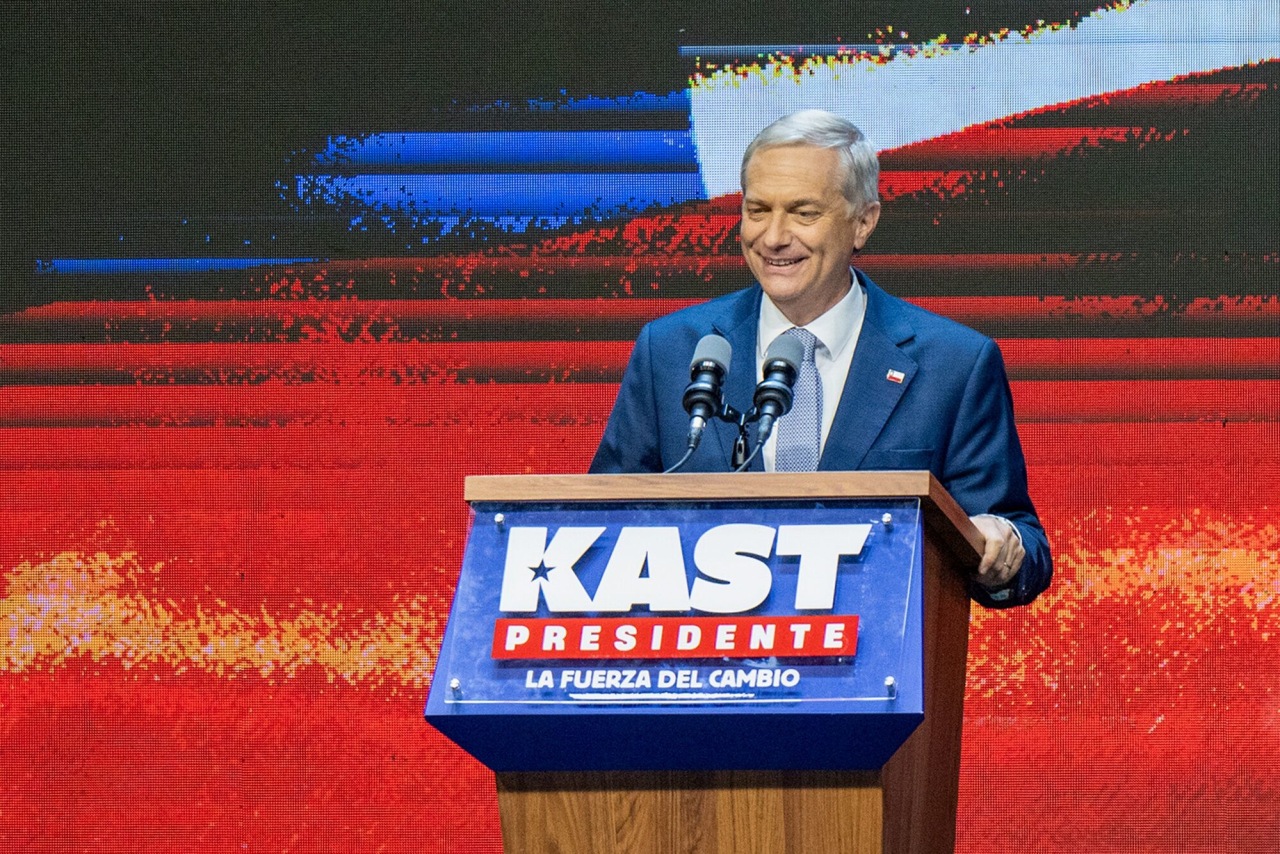
José Antonio Kast has emerged as Chile’s new right-wing leader, capitalizing on a wave of anti-migrant sentiment that is reshaping political landscapes across Latin America. His election marks a significant shift in Chilean politics, aligning the country more closely with other regional leaders who share similar views on immigration and governance.
Kast, who was elected on September 4, 2021, campaigned on a platform that emphasized strict immigration controls and economic reforms aimed at revitalizing the Chilean economy. His administration is expected to foster stronger ties with the United States, particularly under the leadership of President Donald Trump, who has supported right-leaning governments in the region.
The political climate in Latin America has shifted dramatically in recent years, with leaders from nations such as El Salvador, Ecuador, and Argentina adopting hardline stances on migration. This trend has resonated with voters who express concerns over the economic impact of immigration and the perceived threats to national security.
Kast’s rise is indicative of a broader pattern in which right-wing politicians are gaining traction by addressing public fears surrounding migration. In a region where economic instability and social unrest have led to increased migration, Kast’s promises resonate with constituents who seek to protect their jobs and cultural identity.
In his victory speech, Kast highlighted his commitment to strengthening Chile’s borders and creating policies that prioritize Chilean citizens. He stated, “We will not allow illegal immigration to undermine our nation’s security and social fabric.” This echoes sentiments shared by many in his voter base who feel that the arrival of migrants exacerbates existing challenges in housing, employment, and public services.
Kast’s administration will likely impact diplomatic relations within Latin America and with the United States. His alignment with Trump and other right-wing leaders in the region may lead to a coalition that prioritizes strict immigration policies and economic cooperation. Analysts suggest that this could shift the balance of power in international relations, as countries like Chile become more vocal in advocating for conservative policies.
The implications of Kast’s presidency extend beyond immigration. His plans to overhaul Chile’s economy, which include tax reforms and deregulation, aim to attract foreign investment and stimulate growth. According to experts, these strategies may enhance Chile’s appeal as a business destination, particularly for American companies seeking to expand in Latin America.
As Chile navigates this new political landscape, the effects of Kast’s leadership will be closely monitored by both domestic and international observers. The country’s approach to immigration and economic policy under his guidance could redefine its role in the region and influence global discussions on migration and governance.
In summary, José Antonio Kast’s ascent to power signals a significant political shift in Chile and aligns the nation with a growing trend in Latin America towards right-wing governance. His administration’s focus on anti-migration policies and economic reform could foster new alliances and reshape Chile’s relations with its neighbors and the United States. As the political climate evolves, it will be crucial to observe the tangible impacts of these changes on Chilean society and its place within the broader regional context.