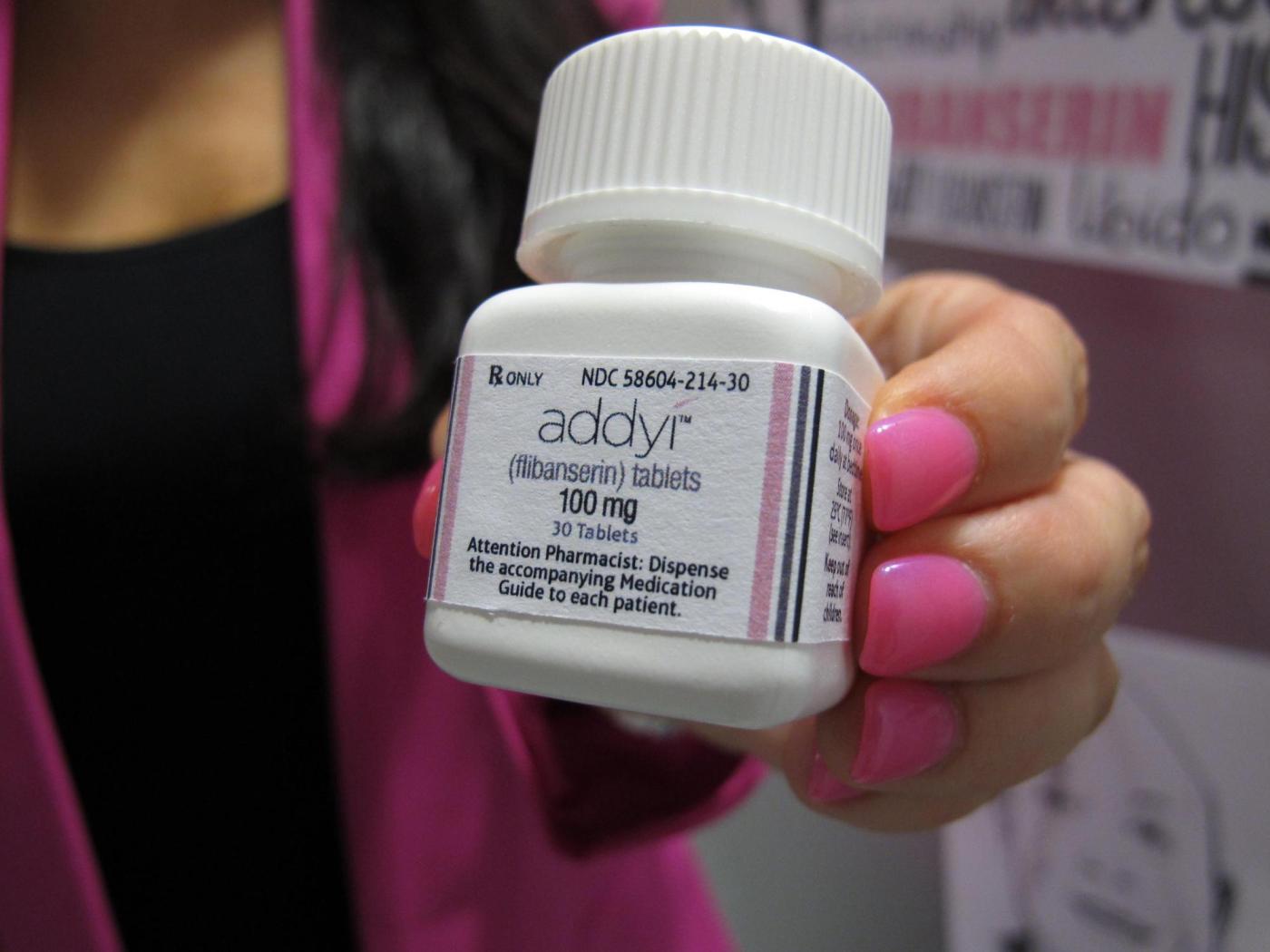
U.S. health officials have expanded the approval of the libido-boosting medication Addyi, allowing its use for women over the age of 65 who have undergone menopause. The announcement from the U.S. Food and Drug Administration (FDA) on March 6, 2023, marks a significant change in the drug’s application, initially approved in 2015 for premenopausal women experiencing low sexual desire linked to emotional stress.
Addyi, produced by Sprout Pharmaceuticals, was once anticipated to fill a vital gap in women’s health. However, it has faced challenges, including unpleasant side effects such as dizziness and nausea. The FDA has issued a boxed warning, its most severe type, highlighting the risks associated with alcohol consumption while taking the medication. Such combinations can lead to dangerously low blood pressure and fainting.
This recent approval aims to address the medical condition known as hypoactive sexual desire disorder, which affects a notable percentage of women in the United States. According to surveys, this condition has been recognized since the 1990s, prompting increased interest and investment in therapies for female sexual dysfunction, especially following the market success of Viagra for men.
Changes in Women’s Health Treatment
While Addyi targets brain chemicals that influence mood and appetite, its sales have remained limited since its introduction. In 2019, the FDA also approved a second treatment for low female libido, an on-demand injection that activates a different set of neurological chemicals.
Cindy Eckert, CEO of Sprout Pharmaceuticals, emphasized the importance of this approval, stating it reflects “a decade of persistent work with the FDA to fundamentally change how women’s sexual health is understood and prioritized.” The company made the announcement via a press release, stressing the need for effective options in this area of women’s health.
Diagnosing hypoactive sexual desire disorder can be complex, as various factors—including hormonal changes after menopause—impact libido. Medical professionals typically need to exclude other potential causes, such as relationship issues, medical conditions, and mental health disorders, before prescribing medications like Addyi.
Despite its approval, the diagnosis of low sexual desire is not universally accepted. Some psychologists contend that it should not be classified as a medical issue. This debate continues to shape the landscape of women’s sexual health treatments.
The FDA previously rejected Addyi on two occasions before its eventual approval, citing modest effectiveness and notable side effects. The eventual decision came after a lobbying campaign by Sprout Pharmaceuticals and advocacy group Even the Score, which framed the lack of options for women’s libido as a matter of women’s rights.
With this new approval, there is hope that more women will have access to treatments that could improve their sexual health and overall well-being.