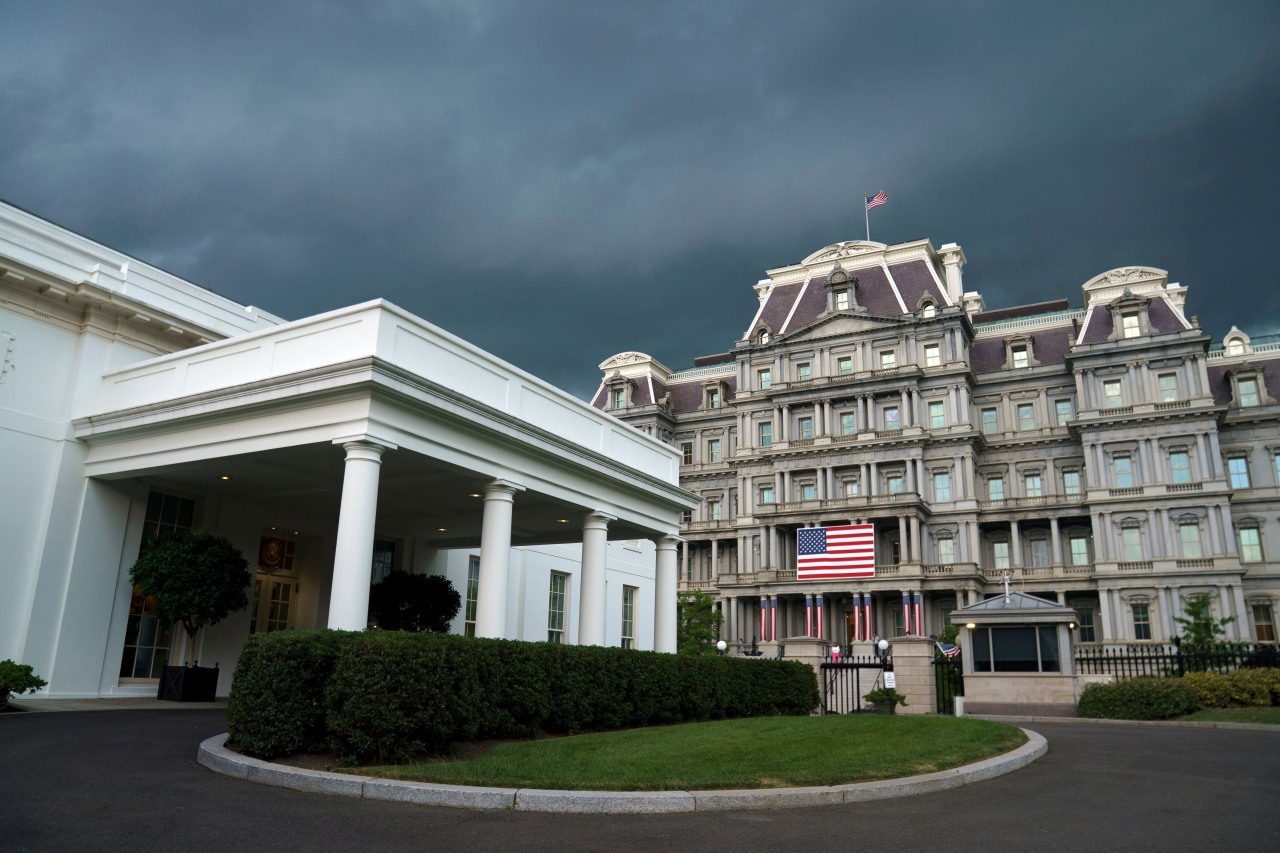
Donald Trump’s ongoing renovations at the White House have ignited legal disputes with neighboring residents. Since returning to the historic residence, Trump has proposed significant changes, including plans to paint a prominent federal building white and construct a new ballroom. These actions have prompted complaints and legal challenges from local residents concerned about the impact on their community.
The proposed renovations revolve around enhancing the public image of the White House, which has long been a focal point for both tourists and locals. Trump’s plan to paint the exterior of the National Historic Landmark has raised eyebrows among preservationists and residents alike. The legal disputes are rooted in concerns that the changes could alter the character of the neighborhood and affect property values.
Local residents argue that the proposed renovations could lead to increased traffic and noise, disrupting the quiet atmosphere of the area. Many express worry that the construction activities could extend for an extended period, causing more significant disturbances. As a result, a group of neighbors has filed formal complaints and is considering further legal action.
In response to these concerns, Trump’s administration has stated that the renovations are intended to restore the building’s historic grandeur while improving its functionality. Officials emphasized that all plans comply with relevant historic preservation laws, asserting that the changes will not detract from the building’s historical significance.
Despite these assurances, the legal challenges continue to mount. Residents are actively engaging with local government officials to voice their objections. They are also seeking to rally support from the broader community to oppose the renovations.
As the situation develops, the outcome of these legal disputes remains uncertain. The ongoing conflict highlights the complexities of balancing historical preservation with the desires of current residents. With Trump’s ambitious plans in the spotlight, the neighborhood’s future hangs in the balance.
The legal ramifications of these renovations may extend beyond the immediate community. If successful, the residents’ challenges could set a precedent for similar disputes in other historic districts across the country. As the nation watches, this unfolding saga raises questions about the intersection of politics, community interests, and historical preservation.