UPDATE: A new report warns that Earth has just three days to prepare for a potentially catastrophic solar storm that could cripple the planet’s satellite systems. This urgent development poses a significant threat to global infrastructure, affecting everything from communication networks to GPS systems.
Researchers from a leading scientific institute have calculated that the solar storm, expected to peak on November 5, 2023, could cause widespread disruptions if preventive measures are not taken immediately. The implications of such a storm are immense, with the potential to render satellites inoperable within hours.
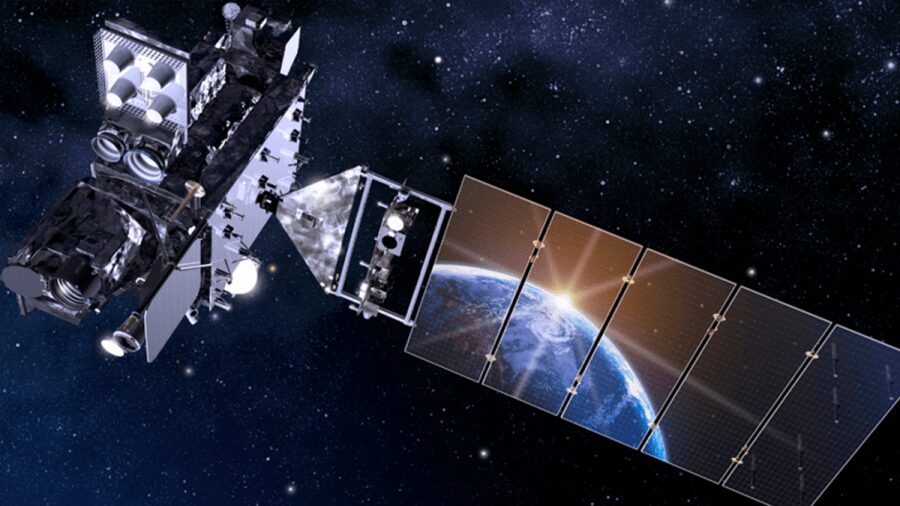
The report highlights that satellites play a critical role in everyday life, enabling essential services such as weather forecasting, financial transactions, and emergency communications. If the storm strikes as predicted, experts fear it could lead to a domino effect, triggering failures in power grids and internet services across the globe.
Why This Matters NOW: The clock is ticking. With only three days left, authorities and satellite operators are racing against time to implement protective measures. The impact on daily life could be profound, jeopardizing not just communications but also vital services that rely on satellite technology.
According to the researchers, the solar storm is categorized as a “severe event” based on historical data, which suggests similar storms have previously caused significant disruptions. The potential for critical damage is alarming, prompting calls for immediate action from governments and private sectors alike.
Next Steps: Officials are urging communities to prepare for possible disruptions. This includes reviewing emergency plans and ensuring backup systems are in place. As the storm approaches, updates will be crucial to help mitigate the risk and respond effectively to any outages.
Stay tuned for further updates as this developing story unfolds. The urgency cannot be overstated—protecting our satellite systems is essential for maintaining global infrastructure.