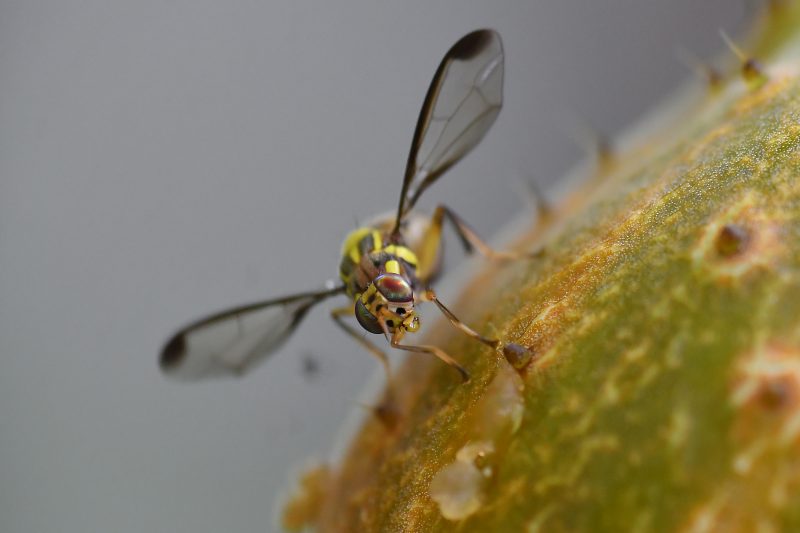
URGENT UPDATE: An unusual species of fruit fly has been discovered in Los Angeles County, prompting immediate precautions for residents in a designated quarantine zone. The Caribbean fruit fly, identified near backyards in Alhambra, poses a significant threat to local agriculture and home gardens.
Officials confirmed the presence of this invasive species earlier today, urging residents to take action to prevent its spread. “This is not the kind of holiday guest you want showing up uninvited,” the City of Alhambra cautioned in a Facebook post, emphasizing the potential damage these pests could inflict on crops and vegetation.
The quarantine zone encompasses several neighborhoods, affecting numerous households in Alhambra and surrounding areas. Residents are advised to avoid moving any fruits or vegetables outside the quarantine area and to monitor their properties for signs of the pest.
In response to the findings, local authorities are deploying traps and will conduct inspections to manage the situation effectively. The California Department of Food and Agriculture is working closely with city officials to mitigate risks associated with this invasive fruit fly species.
Impacts could be severe: the Caribbean fruit fly is known to attack a variety of fruit crops, including citrus, avocados, and berries, which are vital to local farming. Farmers and gardeners are deeply concerned about the potential economic fallout and are urged to report any sightings immediately.
Officials will hold a community meeting on November 5, 2023, at 6 PM at the Alhambra Civic Center to provide updates and guidelines for residents. This urgent meeting will be crucial for informing the public about the necessary precautions and ongoing efforts to contain the outbreak.
Stay tuned for further updates as authorities continue to monitor the situation. Residents are encouraged to share this information widely to help protect local agriculture and community health. Your vigilance can make a significant difference in controlling the spread of this pest.