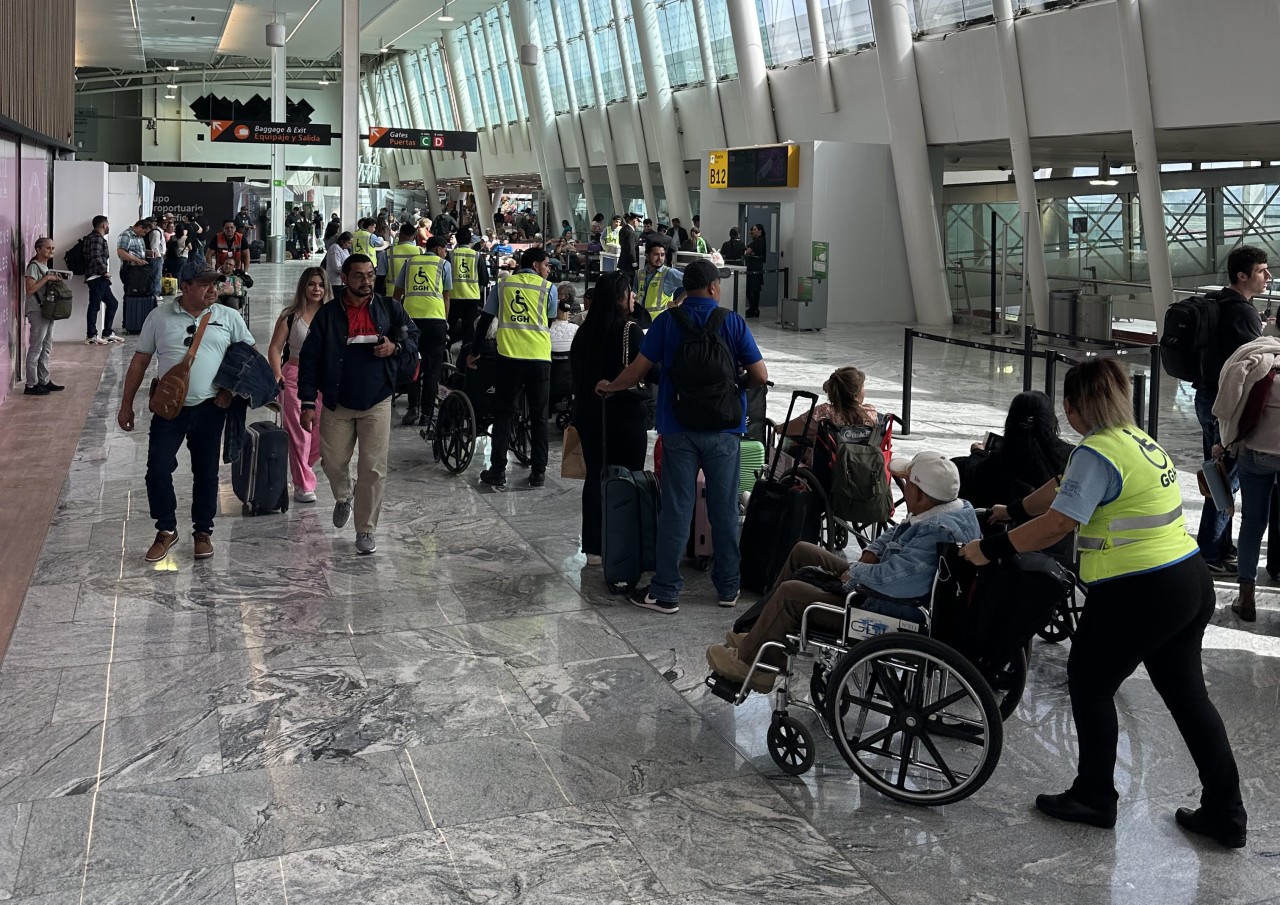
Passengers at various airports are voicing concerns over the increasing number of able-bodied individuals who use mobility aids to bypass security lines and boarding procedures. This phenomenon, dubbed “Jetway Jesus,” has sparked outrage among travelers who believe it exploits systems designed for those with legitimate needs.
Reports indicate that this trend has grown in recent months, with many observing passengers being wheeled through security only to walk off the aircraft unaided upon arrival at their destination. The Transportation Security Administration (TSA) has acknowledged the issue, stating on October 1, 2023, that they are aware of the rise in such cases but cannot comment on individual scenarios.
Concerns Over Fairness and Accessibility
Travelers are expressing frustration, feeling that those who genuinely require assistance are being overshadowed by individuals who may be taking advantage of the system. One traveler, who preferred to remain anonymous, shared their experience at New York’s John F. Kennedy International Airport. “I saw someone being wheeled to the gate, and then they stood up and walked away. It feels unfair to those who truly need help,” they stated.
Airlines are also grappling with the implications of this trend. Many have protocols in place to assist passengers with disabilities, but the growing number of able-bodied individuals utilizing these resources complicates the situation. A spokesperson for a major airline noted that they are committed to providing necessary accommodations but are evaluating their policies to ensure fairness and efficiency.
The issue raises broader questions about accessibility and the integrity of support systems at airports. With the travel industry still recovering from the impacts of the COVID-19 pandemic, ensuring that resources are allocated appropriately is crucial for both operational efficiency and passenger satisfaction.
Potential Solutions and Industry Response
As discussions around this topic intensify, some experts suggest that increased scrutiny during the boarding process may be necessary. Enhanced training for airline staff on identifying genuine needs versus misuse of assistance programs could help mitigate the issue.
Moreover, implementing a more rigorous verification process for passengers requesting mobility aids may serve as a safeguard against exploitation. This approach, however, must balance the need for accessibility with the risk of creating additional barriers for those who legitimately require assistance.
The debate surrounding “Jetway Jesus” reflects a larger societal dialogue about fairness, accessibility, and the responsibilities of both passengers and airlines. As travel continues to evolve, addressing these concerns will remain paramount to ensuring a smooth experience for all travelers.
In conclusion, while the phenomenon of able-bodied passengers using mobility aids raises significant concerns, it also highlights the importance of clear communication and policy adjustments within the airline industry. As the situation develops, stakeholders across the sector must work collaboratively to find solutions that uphold the integrity of travel for everyone.