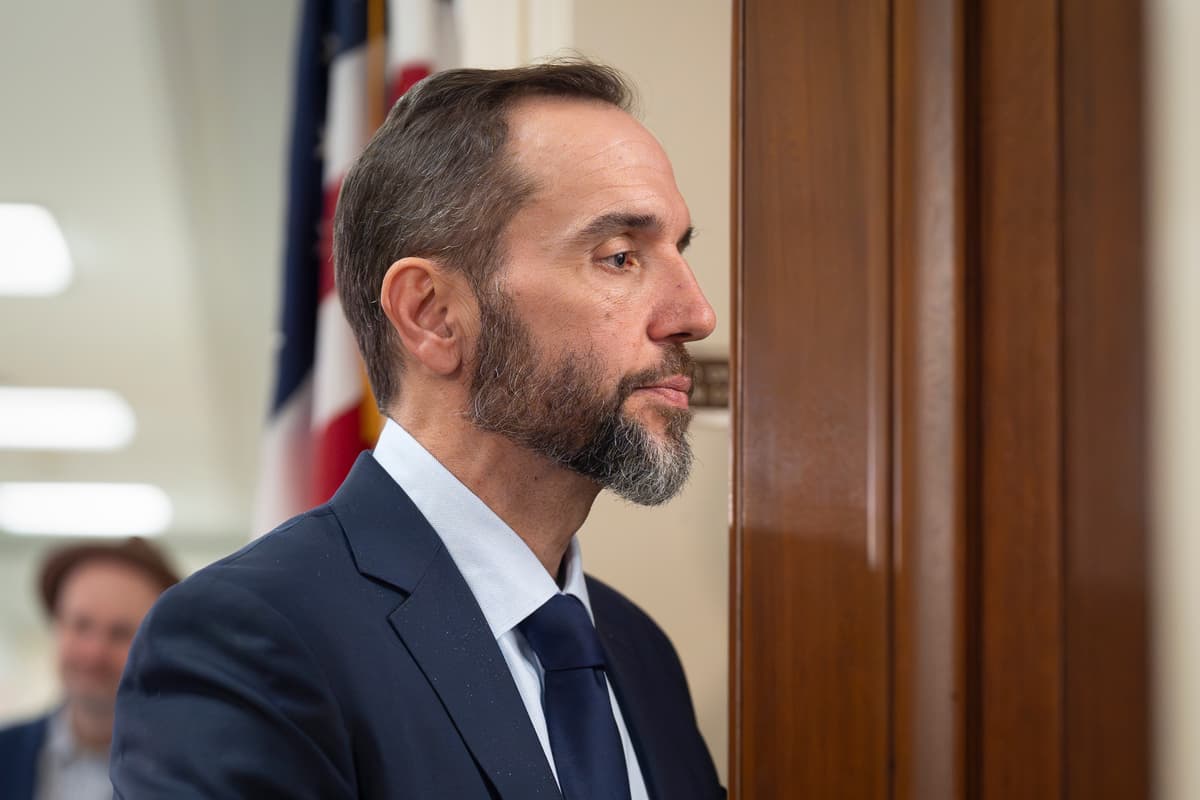
UPDATE: Pressure intensifies on Special Counsel Jack Smith following the release of shocking FBI emails revealing significant doubts over the legality of the Mar-a-Lago search. These documents were made public just hours before Smith’s closed-door testimony to the House Judiciary Committee on January 3, 2024.
New reports confirm that dissent existed within the FBI regarding the decision to execute the search warrant, raising questions about the probable cause standard required for such actions. One email states, “we are not in agreement for PC [probable cause] on the SW [search warrant],” highlighting internal disagreements among FBI officials.
The release of these emails, described as a “bombshell” by Harmeet Dhillon, a senior official at the DOJ, has escalated tensions between Smith and Republican lawmakers loyal to Donald Trump. The emails also criticize the time spent debating the warrant’s validity, suggesting it delayed efforts to recover classified documents efficiently.
Smith’s testimony included a strong defense of his prosecution efforts against Trump, whom he accused of orchestrating a “criminal scheme” related to the 2020 presidential election. He stated, “If asked whether to prosecute a former president based on the same facts today, I would do so regardless of whether the president was a Republican or Democrat.” This assertion underscores the contentious nature of the ongoing investigations.
As the investigation unfolds, lawmakers are limited in their ability to question Smith further because his final report, which is currently sealed by Judge Aileen Cannon, has not yet been released. Trump and his co-defendants have urged Cannon to maintain this secrecy, arguing that disclosure could harm their due process rights.
The Knight First Amendment Institute at Columbia University is advocating for the report’s release, claiming the justification for its sealing has expired. Meanwhile, the 11th Circuit Court of Appeals has criticized Cannon for “undue delay” in addressing these requests, setting a deadline for early January 2024.
In addition to the Mar-a-Lago case, Smith’s probe has expanded to include “Operation Arctic Frost,” which involves surveillance of telephone metadata from several lawmakers. This controversial operation has raised eyebrows, especially after Senator Charles Grassley disclosed that the DOJ expressed concerns about potential legal ramifications due to the immunity lawmakers have for legislative activities.
As Congress prepares for hearings on Smith’s investigations in the upcoming year, the stakes continue to rise. Lawmakers are poised to demand more transparency and accountability from Smith, potentially leading to further confrontations as the political landscape shifts.
The situation is developing rapidly, and all eyes are on the implications this may have for the future of the Trump administration and electoral politics. Stay tuned for updates as more details emerge.