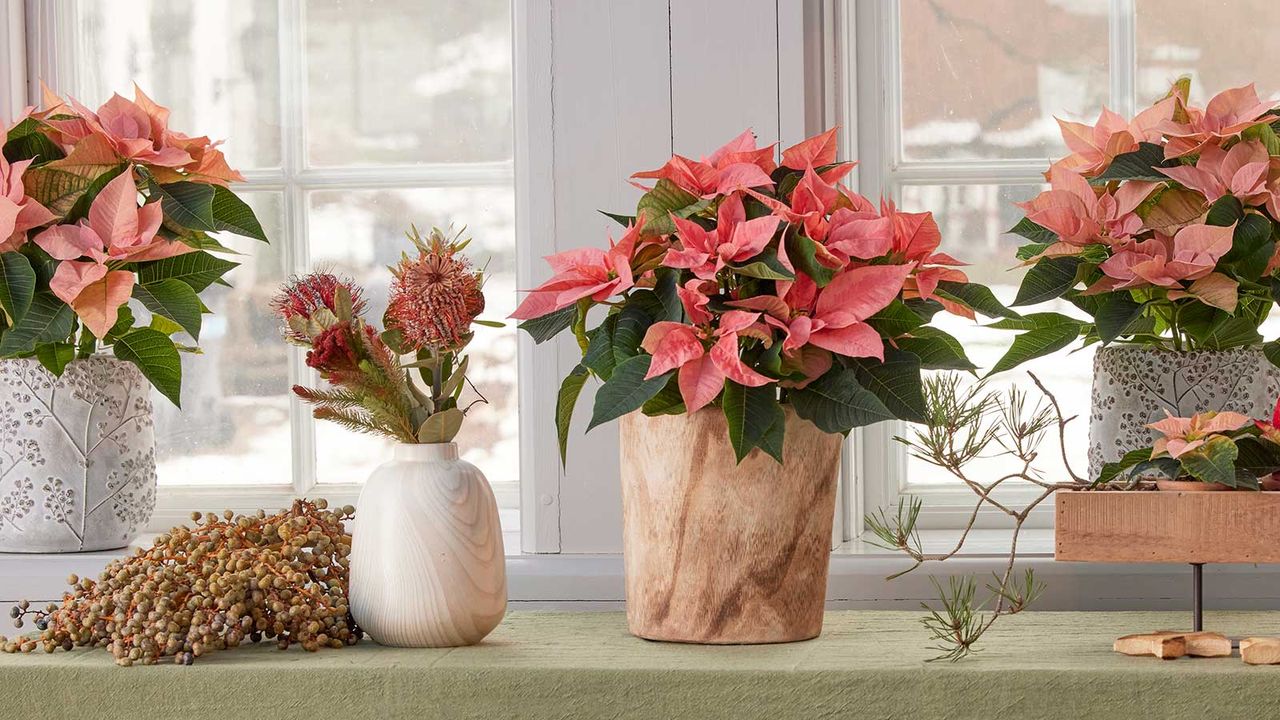
The poinsettia, a plant synonymous with the holiday season, requires specific care to thrive beyond its festive debut. Known for its vibrant bracts and lush green leaves, this tropical plant can flourish indoors with the right attention. To ensure your poinsettia remains healthy and colorful through the winter months, understanding its needs is essential.
Historical Context and Care Requirements
The story of the poinsettia dates back to its origins in Mexico, where it was introduced to the United States in the early 19th century by botanist and diplomat Joel Roberts Poinsett. His admiration for the plant led to its naming in his honor, and by the mid-1900s, it had become a hallmark of Christmas celebrations. Despite their reputation for being difficult to maintain, experts assert that with proper guidance, these plants can flourish well beyond the holiday season.
According to Andrew Gaumond, horticulturist and editorial director at Petal Republic, successful poinsettia care starts with selecting a healthy plant. Look for vibrant, undamaged foliage and budding flowers nestled among the colorful bracts. Purchasing from a reputable store is crucial; avoid locations where plants are exposed to drafts, such as near automatic doors.
Transport and Environmental Stability
Once you have chosen your poinsettia, transport it home with care. Dr. Susanne Lux of the grower collective Stars for Europe recommends wrapping the plant in paper to shield it from cold temperatures below 12°C (54°F) during the journey. This precaution helps prevent invisible damage that may result in leaf loss shortly after bringing the plant inside.
Upon arrival, place the poinsettia on a saucer to catch excess water, ensuring that it is not sitting in waterlogged compost. Consistency in temperature is vital; the ideal range is between 15°C and 22°C (59°F and 72°F). Avoid placing the plant near drafts, heat sources, or in direct sunlight, which can stress the plant and lead to leaf drop.
Watering and Nutritional Needs
When it comes to watering, timing is more important than a strict schedule. Check the soil regularly and water only when the top inch feels dry. Overwatering is a common mistake, leading to root rot. For a pot with a diameter of 12.7 cm (5 inches), a small glass of water is sufficient, while mini poinsettias may require just a shot glass. Any excess water should be removed after ten minutes to prevent waterlogging.
During winter, it is advisable to refrain from fertilizing the plant while in full bloom. Gail Pabst from the National Garden Bureau emphasizes that fertilization should occur only once or twice in spring and summer, when the plant is preparing for new growth.
Signs of distress, such as drooping or yellowing leaves, can indicate watering issues. Adjusting care promptly can often help the plant recover from these problems.
In conclusion, with the right care and attention, your poinsettia can continue to thrive long after the holiday season. By following expert advice on selection, transport, temperature stability, and watering practices, you can enjoy this vibrant plant for many winters to come.