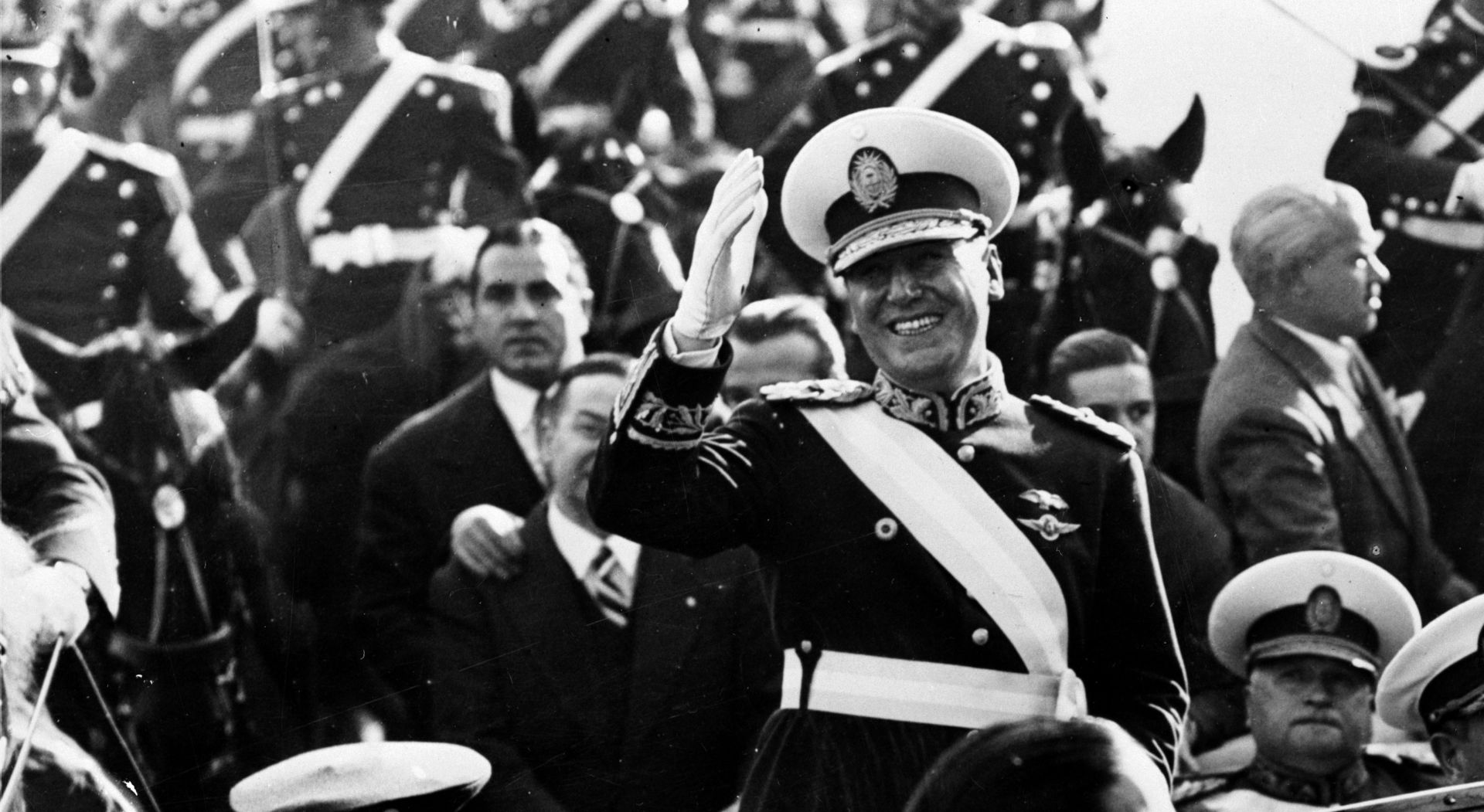
The political movement known as Peronism, which emerged in Argentina, has shaped the country’s social and political landscape for over 80 years. Its origins trace back to a remarkable workers’ mobilization on October 17, 1945, which secured the release of Juan Domingo Perón from prison. Since then, Peronism has evolved into a complex and often contradictory ideology, embodying both leftist and rightist elements, making it a unique phenomenon in global politics.
Understanding Peronism begins with its founder, Juan Domingo Perón, who initially gained prominence through labor reforms that favored the working class. After a military coup in 1943, he became the Minister of Labor, implementing policies that included wage increases and labor regulations. His approach garnered significant support from unions, which played a pivotal role in his political ascent.
By 1946, Perón had founded the political party known as Laborism, which he later renamed Justicialism, emphasizing social justice. He won the presidential election with 54.4% of the vote, a victory that marked the beginning of a new era for Argentine politics. Perón’s administration focused on industrialization, nationalizing key sectors and promoting economic independence, which resonated with many Argentines.
The movement’s social policies further solidified its appeal. Under Perón, real wages increased significantly, and initiatives such as paid vacations and pensions were introduced. The influence of Eva Perón, his wife, was also crucial. A former actress, she became a symbol of the era, advocating for the poor and marginalized through the Eva Perón Foundation. Her charisma and public engagement polarized opinions but ultimately helped to galvanize support for the Peronist cause.
While Peronism initially thrived, it faced challenges that reflected its internal contradictions. In 1955, Perón was overthrown in a military coup, leading to a lengthy period of suppression for the movement. The Peronist Party was banned for 18 years, yet loyalty among the working class remained steadfast. Perón returned to power in 1973, winning a presidential election with 61.85% of the vote, a testament to the enduring legacy of his policies.
The ideological breadth of Peronism complicates its classification. It has been described as a “third position” between traditional left and right politics, advocating for workers’ rights and economic nationalism while resisting the extremes of both socialism and capitalism. This flexibility has allowed Peronism to adapt over the decades, shifting in response to changing political climates.
As the movement evolved, it also influenced various political factions in Latin America, contributing to the rise of leftist populism during the late 20th century. Leaders like Hugo Chávez in Venezuela and Evo Morales in Bolivia drew inspiration from Peronist principles, highlighting its relevance beyond Argentina’s borders.
In contemporary politics, Kirchnerism, associated with former presidents Néstor Kirchner and Cristina Fernández de Kirchner, represents a modern iteration of Peronism. This variant focuses on social justice and critiques neoliberalism, continuing the legacy of Perón while adapting to current economic challenges. However, recent economic policies have faced criticism for failing to address the needs of the populace amid soaring inflation.
The complexities of Peronism are often misunderstood, particularly by outsiders. British historian Daniel James argues that its essence lies in its ability to translate the experiences of ordinary Argentines into political doctrine. This focus on the people’s voice, while empowering, also raises questions about the role of intellectual critique within the movement.
Peronism’s impact on Argentine society is profound, having transformed public life and expanded access to cultural and social spaces previously dominated by elites. It facilitated the entry of working-class individuals into spheres such as cinema and sports, challenging longstanding class barriers.
The movement’s legacy continues to be debated in Argentina, as it navigates the tensions between populism and governance. As Javier Milei, the current president, exemplifies, populism can take various forms, appealing to different segments of society by defining new adversaries and enemies.
In summary, Peronism is a multifaceted political and cultural phenomenon that defies simple categorization. Its ability to adapt to changing circumstances while remaining rooted in the experiences of the working class reflects its enduring significance in Argentine politics and beyond. Understanding Peronism is essential for grasping the complexities of contemporary populism, making it a crucial topic for scholars and observers of global political trends.