The United States is set to implement significant tax changes in 2025 as part of the sweeping legislation known as the One Big, Beautiful Bill. This comprehensive law aims to address various economic factors, including rising consumer prices and the evolving labor market. As the country prepares for these changes, citizens and businesses alike need to understand how the new tax provisions will affect them.
The One Big, Beautiful Bill encompasses a range of fiscal policies designed to stimulate economic growth while addressing social equity. Tax-related provisions are set to play a pivotal role. Key changes include adjustments to tax brackets, credits, and deductions that will impact both individual taxpayers and corporations.
Key Tax Changes Under the New Legislation
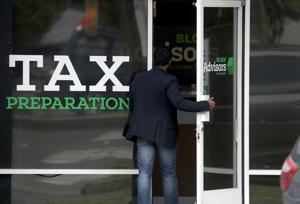
Among the most notable changes, individual taxpayers will see modifications to income tax brackets. Starting in April 2025, the new rates will affect households differently based on their income levels, aiming to ease the burden on lower and middle-income families. In addition, the standard deduction will increase, providing additional tax relief to many taxpayers.
The bill also introduces new tax credits aimed at promoting clean energy initiatives. Under the changes, families who invest in renewable energy sources can expect substantial credits, incentivizing a shift towards more sustainable practices. This aligns with the broader goals of reducing carbon emissions and promoting environmental responsibility.
Corporate taxation is another crucial area of focus. The new legislation proposes an increase in the corporate tax rate for large corporations, aiming to generate additional revenue for federal programs. This change is expected to impact major companies significantly, particularly those with substantial profits.
According to the Internal Revenue Service (IRS), the anticipated revenue generated from these tax changes could exceed $1 trillion over the next decade. This revenue is intended to support social programs and infrastructure improvements, addressing pressing needs across the nation.
Impact on the Economy and Labor Market
The economic implications of the One Big, Beautiful Bill extend beyond taxation. As consumer prices continue to rise, the legislation aims to provide a buffer through increased wages and job creation. The Economic Policy Institute (EPI) has noted that the labor market is expected to benefit from these changes, particularly in sectors focused on clean energy and technology.
Analysts predict that the combination of tax incentives and increased corporate responsibility will encourage businesses to invest in workforce training and development. This investment could lead to greater job opportunities, particularly for younger individuals entering the labor market.
As the United States Congress finalizes the implementation details, citizens are urged to stay informed about how these tax changes will affect their financial situations. Understanding these provisions is essential for effective financial planning in the years ahead.
The One Big, Beautiful Bill represents a significant shift in federal tax policy, with potential long-term effects on the economy. As 2025 approaches, individuals and businesses alike will need to adapt to these new realities, ensuring they are prepared for the changes that lie ahead.