Coaches in college basketball now have the opportunity to challenge certain calls during games, a significant change approved by the NCAA Men’s Basketball Rules Committee in June 2023. This rule marks the first time that both men’s and women’s basketball coaches can contest specific officiating decisions, mirroring a system already in place in the NBA.
Understanding the Challenge System
The new challenge system allows coaches to contest three types of plays: goaltending or basket interference, out-of-bounds calls, and restricted area violations related to block-charge situations. Each coach begins a game with one challenge and must have at least one timeout remaining to initiate a challenge. If a challenge is successful, the team retains its timeout and receives a second challenge.
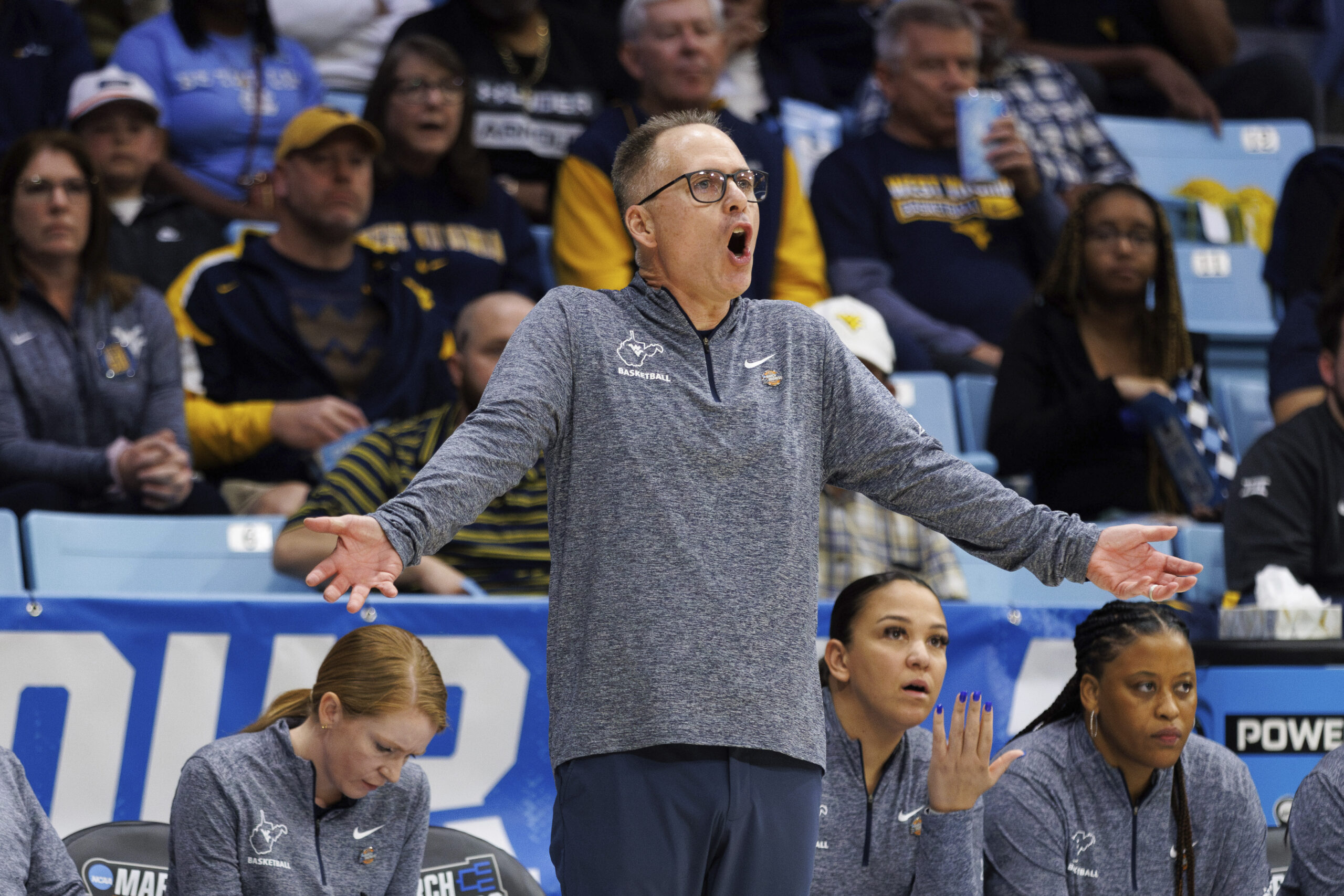
Ross Hodge, the current head coach of West Virginia University’s men’s basketball team, acknowledges the risk-reward aspect of the new rule. “It obviously mirrors the NBA game, and there is a risk-reward benefit to it,” he stated. This risk is compounded by the players’ desire to challenge nearly every call, which Hodge describes as a potential pitfall. “Players are kind of hard to trust in that situation,” he admitted. “They never feel like they hit the ball last. They want you to review everything.”
Statistical Insights on Challenges
According to data from college basketball analytics expert Ken Pomeroy, coaches have been largely effective in their challenges thus far. They have successfully overturned goaltending calls about 60.4% of the time and out-of-bounds calls nearly 55% of the time. However, challenges related to restricted area calls have only been reversed around 27% of the time, making them the least successful category for challenges.
At WVU, Mark Kellogg, the women’s basketball coach, is currently 1 for 2 on challenges this season. Hodge, on the other hand, issued his first challenge in the 12th game of the season when a goaltending call against Ohio State was not overturned. “I didn’t think it was a goaltend, or else I wouldn’t have challenged it,” he explained. “It was kind of one of those ones where the call stands and not the call was confirmed.”
The coaches utilize technology extensively to make these decisions. WVU’s assistant coaches have access to iPads that stream the game live, allowing them to replay questionable calls rapidly. Hodge emphasized the importance of quick decision-making, noting, “You have the technology on the bench. It just matters how quickly can you get the replay synched up.”
Kellogg added a light-hearted remark about the pressure to make timely decisions, joking, “I’m going to have to tell my players to fall down and lay there like you’re hurt or something to give us an opportunity to look at it.”
Timing and Strategy of Challenges
Statistical analysis indicates that most challenges occur during the final 10 minutes of games. While this timing seems logical, Pomeroy’s statistics reveal that challenges are more successful earlier in the game, with first-half challenges being right 65% of the time compared to only 45.7% for those in the closing moments.
Kellogg expressed his reservations about using challenges, particularly in tight games. “You don’t want to lose timeouts,” he stated. “Unless it’s late, right in front of us, and pretty obvious, if we need the possession, I’ll probably challenge it. If not, we’ve got to be a little careful.”
Both coaches have emphasized the importance of communication with their players regarding the challenge system. Hodge noted that players must be honest about whether they touched the ball in question before a challenge is requested. “We’ve had that conversation, like, you’ve got to know if you say you didn’t touch it,” he said, understanding the difficulty players face in the heat of the moment.
As college basketball continues to evolve, the introduction of challenge calls presents both opportunities and challenges for coaches and players alike. With the right strategy and communication, teams can leverage this new rule to their advantage, potentially affecting the outcomes of tightly contested games.