A devastating mass shooting at Bondi Beach has left Australia’s Jewish community grappling with grief and fear. On Sunday, two gunmen opened fire at a gathering, killing 15 individuals and marking the worst mass shooting in Australia since the 1996 Port Arthur massacre. This tragic event has raised profound questions about safety and the rise of antisemitism in the country.
For generations, Bondi Beach has been a sanctuary for Australia’s small Jewish population, providing a sense of belonging in a multicultural environment. Many Jewish families sought refuge here, particularly those whose forebears survived the Holocaust. “All we want to do is live in peace, work hard, pay our taxes, and love our fellow Australians,” said a mourner, known as Carole, who attended a memorial at Bondi Pavilion. “Australia has let us down,” she expressed, highlighting the community’s sense of betrayal.
A Shift in Sentiment
Australia prides itself on having one of the largest populations of Holocaust survivors outside Israel, many residing in Sydney and Melbourne. Following the shooting, the community held funerals that were livestreamed globally. The youngest victim, Matilda, only ten years old, was remembered with toys and flowers at the memorial site. “This country has changed,” lamented Dorienne Light, who mourned Matilda’s loss. The outpouring of grief has been matched by anger directed at the Australian government, which members of the Jewish community accuse of allowing antisemitism to proliferate unchecked.
Former treasurer Josh Frydenberg, whose mother was a Holocaust survivor, expressed deep disappointment during the memorial. “Our prime minister, our government, has allowed Australia to be radicalized on his watch,” he stated, as calls for stronger action against hate crimes intensified.
The attack was notable not only for its brutality but also for the ideologies behind it. Two homemade ISIS flags were discovered near the site, indicating a potential link to extremist groups. The alleged gunmen had reportedly spent time in the Philippines, an area known for ongoing militant activities. One shooter, Sajid Akram, had a minimal travel history, making the incident all the more shocking.
Government Response and Community Resilience
In the wake of the tragedy, Prime Minister Anthony Albanese acknowledged the government’s inadequacies in preventing such an attack. He announced new measures aimed at curbing hate speech, including the introduction of an “aggravated hate speech” offense and increased powers for the home affairs minister to revoke visas for hate preachers. These initiatives are part of a broader strategy to address rising extremism and protect minority communities.
Local businesses have also felt the impact, with many Jewish-owned establishments reporting increased antisemitic attacks. Avner’s Bakery, a popular gathering spot, announced its closure, citing a history of harassment and threats. The owners expressed their dismay at the change in their community, stating, “It is no longer possible to make outwardly, publicly, proudly Jewish places and events safe in Australia.”
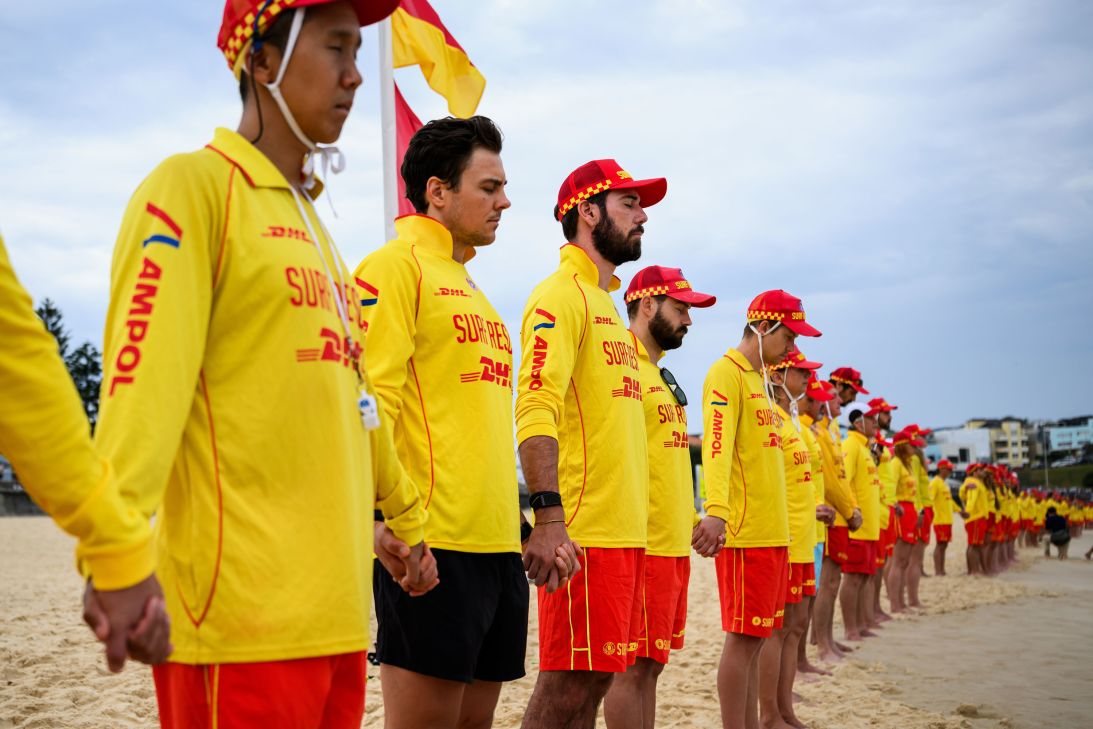
As communities across the nation come together in solidarity, the Australian National Imams Council condemned the attack, emphasizing that it targeted all Australians, not just the Jewish community. The council reiterated the need for mutual respect and dignity among all groups.
The Bondi shooting has not only highlighted the vulnerability of minority communities in Australia but has also sparked a national conversation about the roots of hate and the urgent need for change. “We’re going to build a movement, a movement of light,” said Rabbi Yossi Friedman at the memorial. His words resonate as the community seeks healing and unity in the face of tragedy.
As Australia mourns, flags across the country will fly at half-mast in remembrance, and key landmarks will be illuminated in tribute. The events at Bondi Beach serve as a stark reminder that hatred can surface anywhere, urging a collective commitment to foster understanding and acceptance in an increasingly divided world.