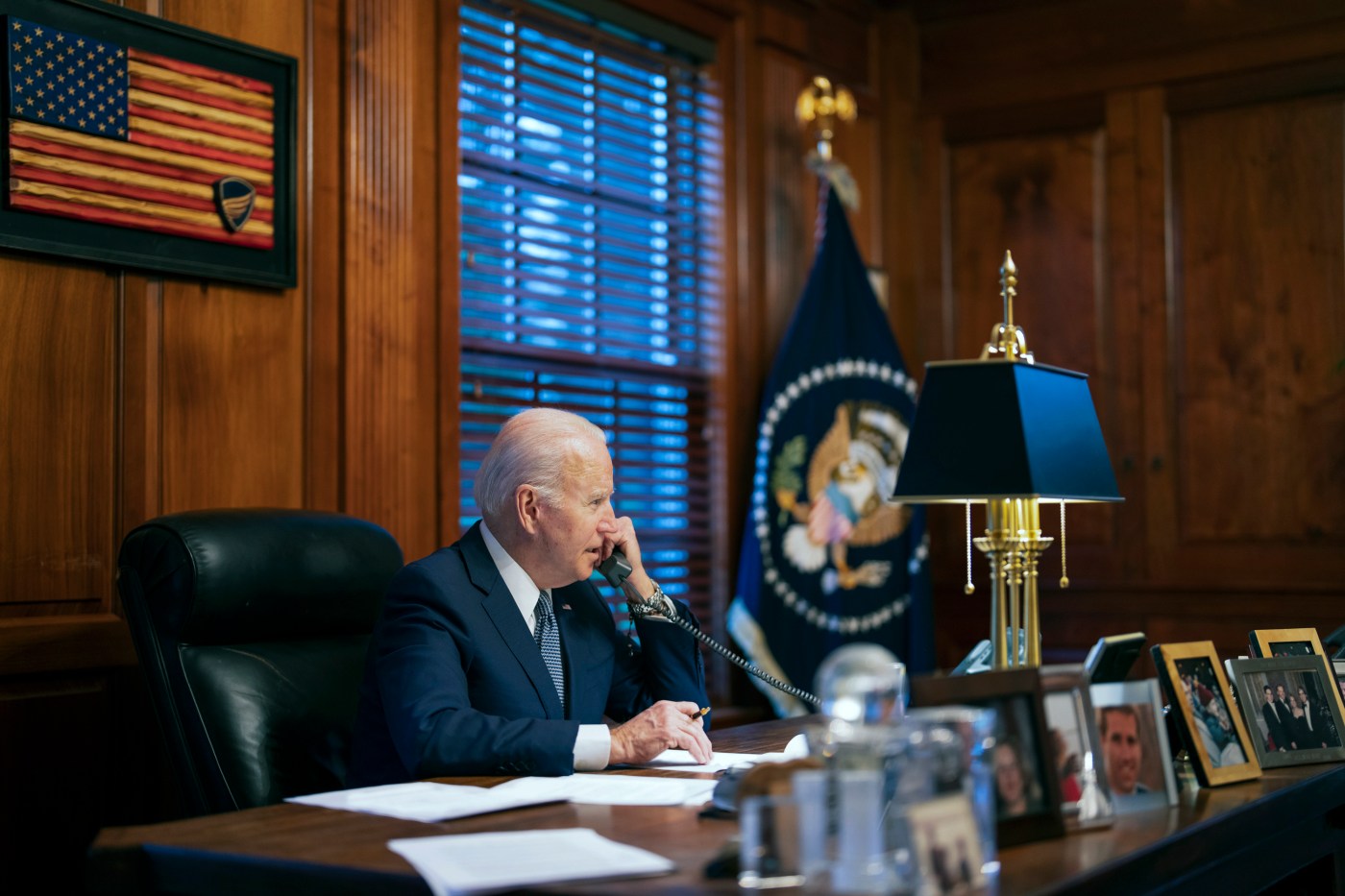
Former President Joe Biden is facing significant challenges in raising funds for his presidential library, a situation that has sparked discussions about the necessity and funding of such institutions. While there are various proposed solutions to bolster his efforts, Biden’s struggles are raising questions about the expectations placed on former leaders to establish expensive libraries.
The concept of a presidential library, often seen as a symbol of a leader’s legacy, has evolved significantly over the years. Historical context reveals that former presidents like Harry S. Truman managed to establish their libraries at a fraction of the cost. Truman’s library in Independence, Missouri, opened in 1957 with a budget of only $1.7 million. In contrast, the cost of modern libraries has escalated dramatically.
Biden’s predecessor, Barack Obama, is a prime example of this trend. His library, a substantial 60,000-square-foot structure located in Chicago, is projected to cost around $1 billion by its expected opening in 2026. This development highlights a significant shift towards lavish and large-scale constructions, contrasting sharply with the simpler models of the past.
Despite the historical significance and funding capabilities of previous presidents, Biden’s library foundation has struggled to attract financial support. Notably, even during his last year in office, it did not receive any donations. The foundation, which was initially funded with $4 million from leftover inauguration funds, is currently led by Rufus Gifford, a former ambassador to Denmark and seasoned fundraiser.
As Biden looks for innovative solutions, some have suggested unconventional approaches, including seeking donations from the immigrant community. The Biden administration has seen an influx of approximately 20 million immigrants since he took office. If Biden were to engage this demographic effectively, a modest donation of $10 from each individual could potentially yield up to $200 million for the library.
While such ideas may seem creative, they raise ethical questions about the appropriateness of leveraging vulnerable communities for funding. Additionally, the political implications of these suggestions could complicate Biden’s relationship with various constituencies.
The dialogue surrounding Biden’s library funding also reflects broader concerns regarding the value and purpose of presidential libraries. Critics argue that existing government buildings could adequately serve the same purpose without the need for extravagant expenditures. As the conversation continues, it remains to be seen how Biden will navigate these challenges in securing a lasting legacy.
The future of Biden’s presidential library remains uncertain, but the discussions it has sparked about leadership, legacy, and public funding are likely to persist as long as the concept of a presidential library continues to evolve.