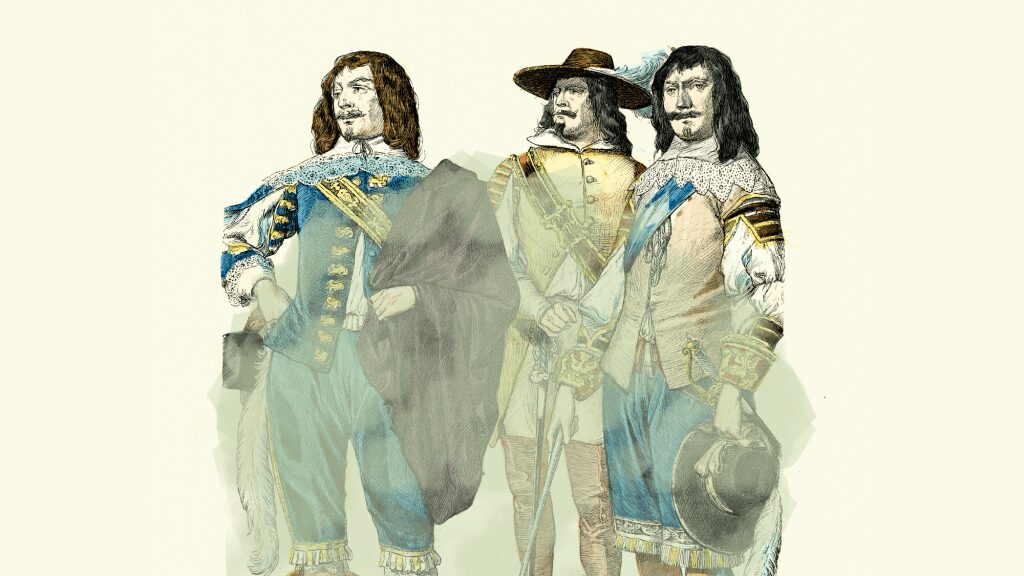
The 17th century saw the emergence of a unique device called the vanvera, designed for aristocrats seeking to manage a natural bodily function in social settings. This peculiar invention allowed users to discreetly pass gas without disrupting dinner conversations or tarnishing their social standing.
The vanvera, now showcased at the Sex Machines Museum in Prague, is a small leather pouch that sat against the wearer’s backside. It served a practical purpose: to trap both sound and smell during gatherings. Once the situation permitted, the pouch could be emptied by hand, demonstrating the lengths to which the upper classes would go to maintain decorum during meals.
Historical Context and Variations
While the origins of the vanvera are debated, some speculate it may date back to ancient Egypt or Rome. However, historians broadly agree that it became popular in Europe during the 1600s, particularly in Italy, where social etiquette regarding bodily functions was particularly stringent.
According to Oddity Central, the device came in various forms. The most basic version was a simple leather sack worn under layered skirts. Some wealthier households even employed elaborate piping systems attached to beds, directing nighttime flatulence out through windows into the open air. This extravagant measure reflected a society where reputation overshadowed comfort.
There were also more experimental designs. One such attempt involved a metal vanvera integrated into underwear, filled with aromatic herbs like lavender and rosemary. The intent was for the gas to emerge pleasantly scented, described as “like a breeze from the fields of Provence.” Unfortunately, while the design masked the smell, it failed to address the sound, leading to its eventual abandonment.
Social Implications and Legacy
The fascination with the vanvera highlights a timeless human concern: the embarrassment associated with bodily functions. Despite the absurdity of the device, it underscores a commonality across eras — the desire to avoid social faux pas.
Although the vanvera never became a mainstream solution and gradually faded away as fashion changed and plumbing improved, it reflects a notable commitment to dignity. In a time before discreet air fresheners and the acceptance of human biology, the aristocracy engineered hardware to navigate the social intricacies of their lives.
The vanvera serves as a reminder of how societal expectations shape human behavior and innovation. While modern solutions may differ, the underlying desire for discretion in bodily matters remains constant.