UPDATE: A devastating weekend saw mass shootings in both the United States and Australia, reigniting a fierce global debate on gun control. On Saturday, December 9, 2023, a gunman opened fire at Brown University in Providence, Rhode Island, killing two students and injuring nine others. The shooter, armed with a common 9-mm handgun, unleashed over 40 rounds before fleeing the scene.
Just hours later, on the other side of the world in Bondi Beach, Australia, a father-son terrorist duo committed a shocking attack during a Jewish Hanukkah ceremony, killing 15 people and injuring 40 others. Eyewitnesses captured the harrowing event on video, showing the shooters openly firing their weapons in broad daylight, highlighting a critical failure in public safety.
This brutal incident marks Australia’s first mass shooting since the passage of the National Firearms Agreement in 1996, which was designed to prevent such tragedies. The recent attack has reignited discussions among gun control advocates in the U.S., who are calling for similar measures. However, critics argue that Australia’s gun laws have significant loopholes, allowing individuals, including those with potential ties to extremist groups, to legally possess firearms.
The National Firearms Agreement led to the buyback of nearly 700,000 firearms, yet current data indicates a robust increase in licensed gun owners, now totaling 4 million—an increase of 800,000 since 1996. This raises alarms about the effectiveness of stringent gun controls when faced with loopholes and inadequate enforcement.
In the U.S., the ongoing debate surrounding gun control is increasingly polarized. Advocates of stricter laws point to Australia’s recent tragedy as a call to action, while opponents emphasize the cultural and logistical challenges of implementing similar regulations in a country with an estimated 400 million firearms in circulation.
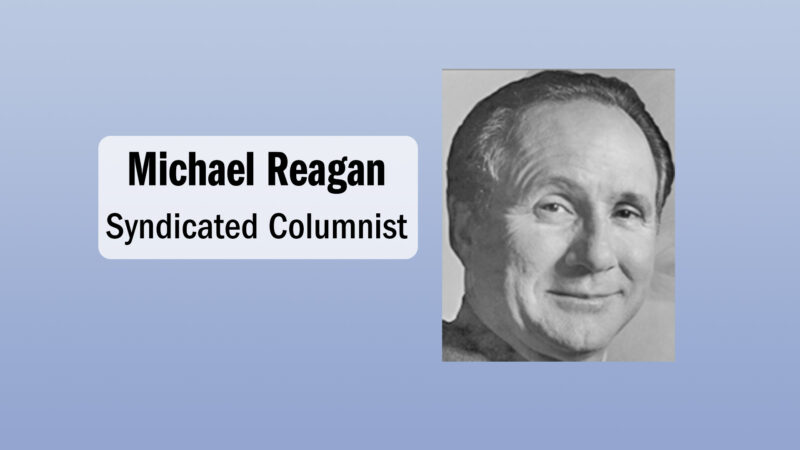
As the fallout from these events continues to unfold, officials urge a deep examination of gun laws and public safety measures. Key figures, including Michael Reagan, have voiced their opinions, asserting that America’s unique gun culture and the sheer volume of firearms present a challenge that Australia’s model cannot address.
In the wake of these incidents, communities are left to grapple with the human impact of gun violence. Families and friends of those affected are mourning, while the broader public is left questioning the effectiveness of existing gun control measures worldwide.
As the world watches, the question remains: What will be the next steps in the ongoing battle over gun control? With emotional wounds still fresh, this debate is far from over, and the urgency for effective solutions has never been greater.
Stay tuned for further updates as this story develops.