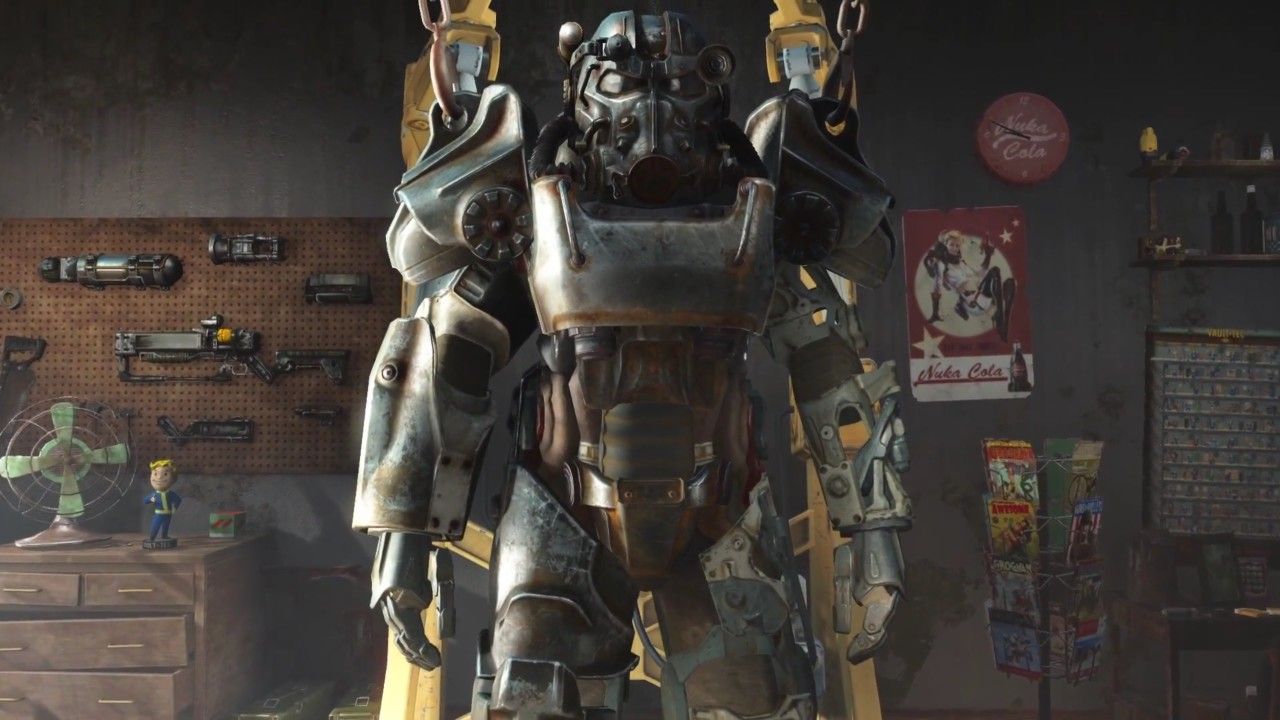
Emil Pagliarulo, a prominent writer at Bethesda, recently discussed the contrasting storytelling approaches in the studio’s fantasy and sci-fi role-playing games (RPGs). He highlighted the complexities of narratives within the *Fallout* and *Elder Scrolls* series, indicating that the sci-fi environment of *Fallout* presents unique challenges for players.
In an interview with *GamesRadar+*, Pagliarulo explained that while fantasy RPGs like *The Elder Scrolls* often feature a clear distinction between good and evil, *Fallout* introduces a more nuanced moral landscape. He noted that this complexity can make decision-making more difficult for players. In dense RPGs, players face numerous choices, and in titles such as *Fallout: New Vegas*, various factions compete for allegiance, complicating the narrative further.
Pagliarulo stated, “In a fantasy game like *The Elder Scrolls*, a lot of fantasy tropes are ‘there’s a big bad evil.'” He emphasized that the differentiation between right and wrong is sometimes more straightforward in fantasy settings. In contrast, he pointed out, *Fallout* presents “a lot of shades of gray” where moral ambiguity reigns.
He specifically referenced *Fallout 4*, noting the complex dynamics between factions like the Brotherhood of Steel and the Institute. Pagliarulo remarked, “No matter what they do, you have to sit back and go ‘maybe they have a point.'” He elaborated on the Institute’s role, questioning the nature of the synthetic beings they create. “Are the synths just really toasters? Are they just machines? We created them; do they deserve to have freedom?” he asked.
Pagliarulo also raised concerns about the Brotherhood of Steel, describing them as “a bunch of hard asses.” He challenged the notion of whether humanity deserves control over advanced technology, especially when it is misused. This moral complexity is a significant factor that makes the *Fallout* series so engaging for players.
The discussion not only sheds light on the narrative depth of *Fallout* but also reflects the broader appeal of RPGs that encourage players to grapple with their choices. As fans continue to explore the intricate worlds crafted by Bethesda, these themes resonate deeply, prompting reflection on morality and the consequences of decisions.
Pagliarulo’s insights contribute to an ongoing conversation about the evolution of storytelling in video games, illustrating the balancing act between engaging gameplay and meaningful narrative. These elements are essential to the enduring success of *Fallout* and *Elder Scrolls*, both of which have left a lasting impact on the RPG genre.