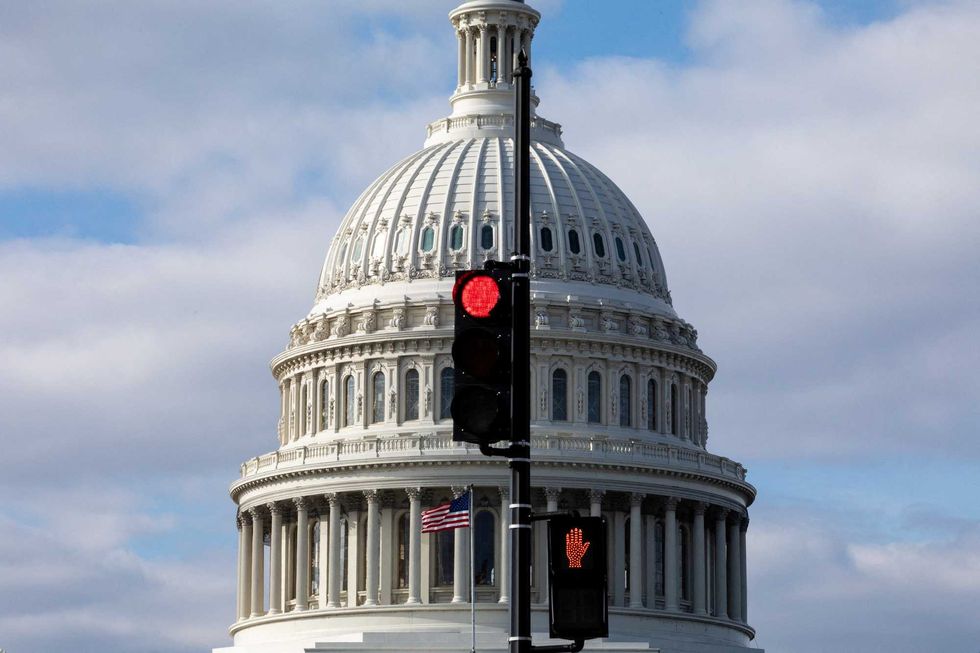
The deadline for enrolling in a marketplace plan through the Affordable Care Act (ACA) for 2026 passed on December 15, 2025, without a resolution regarding federal subsidies that have made health insurance more affordable for many Americans. As Congress adjourned for the year on December 19, it has become increasingly likely that millions will face a significant rise in healthcare costs in 2026.
A last-minute effort in the House to extend these crucial subsidies was unsuccessful, leaving those reliant on them bracing for financial strain. As a gerontologist and researcher at Miami University, I have observed that the U.S. healthcare debate is deeply rooted in differing views on whether the government or individuals should bear the responsibility of providing health insurance.
The ACA, enacted in 2010, was the first major healthcare legislation since Medicare and Medicaid’s inception in 1965. The act aimed to reduce the number of uninsured Americans, which had reached approximately 49 million, or 15 percent of the population, prior to its passage. The economic downturn in 2008 exacerbated the issue, as many lost their jobs and, consequently, their health insurance. The ACA sought to address this crisis, creating a contentious political landscape marked by significant division.
The ACA’s primary goal was to lower the uninsured rate by approximately 30 million people. Currently, about 26 million Americans, or 8 percent of the population, remain uninsured, a figure that fluctuates with economic and policy changes.
Impact of Subsidies and Medicaid Expansion
To achieve its objectives, the ACA introduced several strategies, including the expansion of the Medicaid program to cover individuals earning below 138 percent of the poverty line and offering subsidies for low- to moderate-income individuals to help them purchase insurance through ACA marketplaces. Medicaid expansion faced significant resistance, with the Supreme Court ruling that it was up to individual states to decide whether to participate. As of December 2025, 40 states and the District of Columbia have adopted Medicaid expansion, covering around 20 million Americans.
The subsidy program initially appeared less contentious, requiring all beneficiaries to contribute to their insurance costs. However, the landscape shifted dramatically during the COVID-19 pandemic when legislation passed under the Biden administration increased subsidies, allowing individuals earning above 400 percent of the federal poverty level to qualify. These enhanced subsidies, which made insurance more affordable, are set to expire at the end of 2025, raising concerns over the potential consequences.
If the subsidies revert to pre-pandemic levels, individuals earning $45,000 per year could see their monthly insurance costs rise by 74 percent, translating to an additional $153 monthly. Coupled with projected insurance premium increases of around 18 percent in 2026, many ACA marketplace users could experience a staggering rise in healthcare costs of over 100 percent.
Advocates for extended subsidies warn that rolling them back could lead to approximately 6 million to 7 million people exiting the ACA marketplace, with an estimated 5 million potentially becoming uninsured in 2026. The implications of recent tax and spending legislation signed by former President Donald Trump further complicate the situation, with the Congressional Budget Office projecting that cuts to Medicaid could push more than 7 million individuals out of coverage.
The Ongoing Debate and Future of U.S. Healthcare
The debate surrounding ACA subsidies is intensified by their impact on the federal healthcare budget. The number of individuals benefiting from these subsidies doubled between 2021 and 2024, increasing the government’s financial obligation. In 2025, nearly 22 million Americans received federal assistance for their marketplace plans, marking a 137 percent increase from 9.2 million in 2020.
Critics argue that the subsidies are unsustainable and disproportionately benefit higher-income individuals who do not require financial assistance. The increased reliance on ACA provisions has also led some employers to reduce their health coverage responsibilities, as evidenced by a drop from 92 percent of employers offering health insurance in 2010 to 64 percent in 2025 among those with 25 to 49 employees.
The U.S. healthcare system, the most expensive globally, faces mounting challenges. The projected increase in the uninsured population over the next decade threatens to escalate costs further as fewer individuals receive preventive care. State-level policies also contribute to variations in coverage; while the national uninsured rate stands at 8 percent, it ranges from 3 percent in Massachusetts to 18.6 percent in Texas.
As the nation grapples with these pressing issues, the divide between those advocating for government responsibility in health coverage and those favoring individual accountability remains stark. Without consensus on this fundamental question, the U.S. healthcare debate is unlikely to reach a resolution anytime soon, leaving millions facing an uncertain future regarding their health insurance coverage.