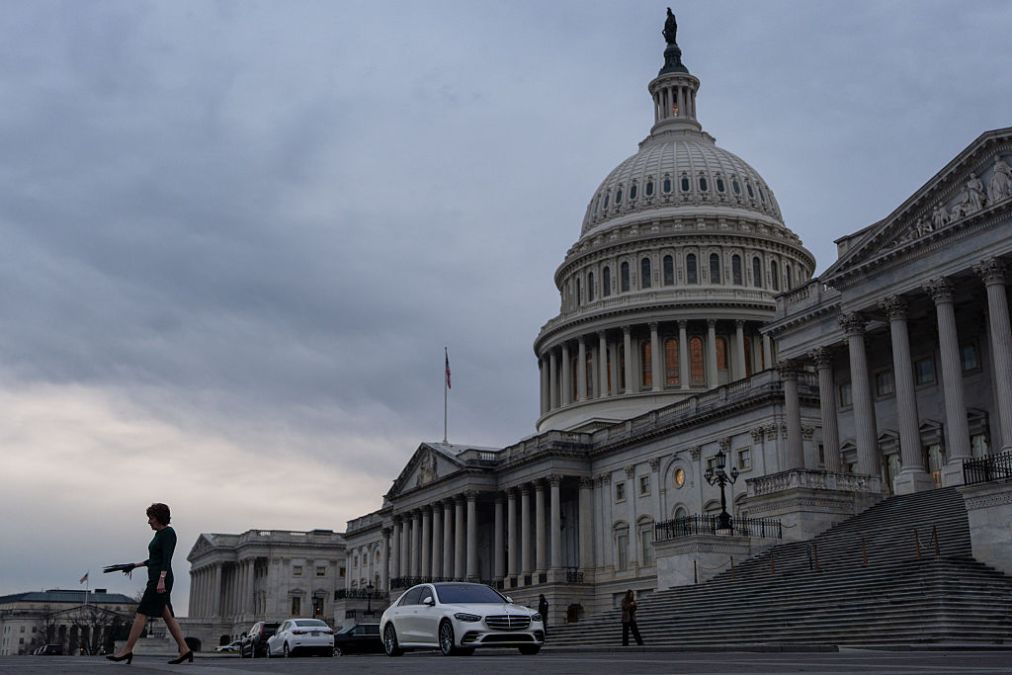
Congress has concluded its legislative session for the year without reaching a health care deal, resulting in the expiration of Affordable Care Act (ACA) subsidies on December 31, 2023. This decision will directly impact approximately 22 million Americans who rely on these subsidies to keep insurance premiums affordable. Experts are warning that the withdrawal of these tax credits will lead to premium increases for millions, with costs potentially doubling or tripling for many enrollees.
The Congressional Budget Office has projected that this lapse could result in an additional 4 million Americans becoming uninsured. The enhanced subsidies, introduced during the COVID-19 pandemic and extended by Democrats in 2022, have provided significant financial relief to many lower-income individuals, with some receiving free or nearly free coverage. The subsidies also contributed to a notable increase in enrollment, particularly in Republican-led Southern states, where access to health care had previously been a concern.
Political Maneuvering and Legislative Delays
In the lead-up to Congress’ adjournment, Democrats advocated for the extension of these subsidies, making it a central issue in budget negotiations that led to a government shutdown earlier this fall. While a group of Senate Democrats compromised to reopen the government with the promise of a future vote on subsidy extensions, lawmakers ultimately left Washington without addressing the matter.
Four House Republicans broke ranks with party leadership to support a Democrat-led discharge petition aimed at forcing a vote on a three-year extension of the subsidies. House Speaker Mike Johnson declined to bring the issue to the floor prior to the holiday recess, but he will be obligated to do so when Congress reconvenes the week of January 5, 2024.
Despite any potential passage in the House, Senate Republicans are expected to block the measure, as they did with a similar proposal earlier this month. Some lawmakers, including Rep. Mike Lawler of New York, have expressed optimism that a House vote could pave the way for a bipartisan compromise in the Senate. Lawler stated, “I do believe if the bill comes to the floor, not only will it pass, but it’ll give the Senate the ability to come back with a bipartisan compromise.”
Senator Susan Collins of Maine echoed this sentiment, emphasizing the need for a bipartisan approach that combines reforms with a two-year extension of the subsidies. Collins mentioned that progress is being made in this direction.
Partisan Tensions and Future Implications
House Minority Leader Hakeem Jeffries dismissed the concerns expressed by Senate Majority Leader John Thune, who claimed a clean three-year extension would be “dead on arrival” in the Senate. Jeffries asserted that a bipartisan majority would support the measure, pressuring Republicans to act in the interest of millions who rely on affordable health care.
Opposing views emerged from Republican Senator Rand Paul, who reiterated his opposition to extending the subsidies. Instead, he advocated for expanding Association Health Plans, which would permit consumers to negotiate lower premiums collectively. Paul criticized the ACA, stating, “Obamacare has been a failure.”
While discussions continue, the deadline for open enrollment on the ACA marketplace is approaching on January 15, 2024. As the expiration of subsidies looms, many individuals face the prospect of higher premiums without clear guidance on how to maintain affordable coverage.
Both parties have exchanged blame regarding the rising costs of health care. In a recent address, former President Donald Trump attributed the increasing expenses to Democratic policies, labeling the ACA as the “Unaffordable Care Act.” Conversely, Democratic Senator Elizabeth Warren criticized her Republican counterparts for their inaction as the subsidy expiration date nears.
Another legislative deadline is on the horizon: the temporary funding bill passed in November will only sustain government operations until January 30, 2024. Failure to reach a new agreement could result in another government shutdown. Senator Chuck Schumer has stated that Democrats will not combine the spending bill with a renewal of the subsidies, emphasizing the urgency of keeping health care accessible for millions.
As the new year approaches, the stakes remain high for millions of Americans who depend on the ACA for affordable health care. The legislative landscape will be closely monitored as Congress returns to session, with many awaiting critical decisions that could shape the future of health insurance in the United States.