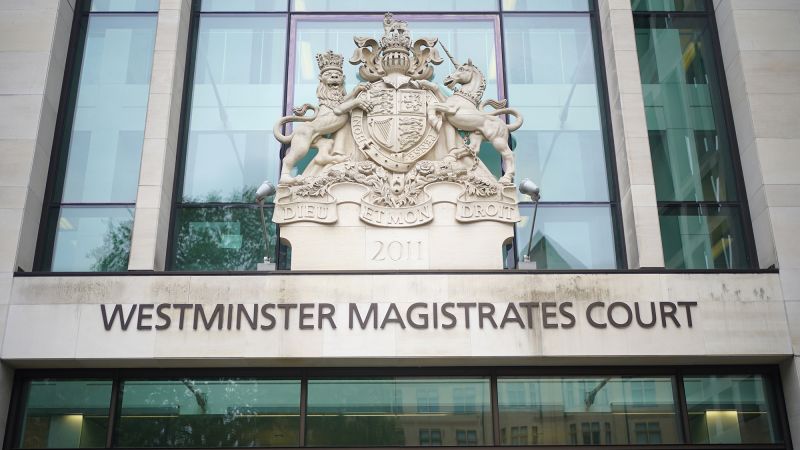
The United Kingdom is poised to make significant changes to its legal system by proposing the elimination of jury trials for various crimes. This development comes as the country faces a substantial backlog of almost 80,000 criminal cases awaiting adjudication, a figure that could surge to 100,000 by 2028. Justice Secretary David Lammy announced these reforms earlier this month, which aim to create a new tier of jury-free courts for cases involving sentences of up to three years, including offenses such as fraud, robbery, and drug-related crimes.
Under the proposed reforms, serious crimes like sexual assault, murder, and manslaughter will still proceed to jury trials. However, critics argue that curtailing the right to a jury could undermine the fairness of the justice system, which has been a cornerstone of British law for centuries. The current backlog has led to victims waiting years for their cases to be heard, with some survivors of sexual offenses facing delays of up to three or four years.
Impact of Backlog on Victims and Justice System
Recent data from the UK government highlights that the backlog includes over 13,000 cases of sexual offenses. The Victims’ Commissioner, an independent government agency, has published a report indicating that many individuals have lost faith in a system that they believe is overstretched. One victim of assault shared his experience, stating that he was informed the Crown Prosecution Service was unlikely to pursue his case due to the court backlog, despite having clear evidence and an admission of guilt from the perpetrator.
A woman who experienced stalking and harassment echoed similar sentiments, describing her ordeal as “three years of terror” while awaiting the trial of her alleged attacker. In a session with the House of Commons on December 8, Sarah Sackman, Minister of State for Courts and Legal Services, emphasized the urgency of reform, stating, “justice delayed is justice denied.”
Reactions to the Proposed Reforms
The proposed reforms have ignited a heated debate across the political spectrum, with some lawmakers expressing strong opposition. Conservative MP and Shadow Justice Minister Robert Jenrick labeled the changes a “disgrace” that undermines an “ancient right.” The right to a jury trial can be traced back to the Magna Carta of the 13th century, making it a fundamental aspect of the UK’s legal tradition.
A YouGov poll conducted in November 2025 revealed that 54% of the public preferred a jury to decide their verdict if accused of a crime. Helena Kennedy KC, a Labour member of the House of Lords, criticized the push to limit jury trials, suggesting it reflects a belief among politicians that “ordinary folk are not up to it.” She argued that jury service is a crucial responsibility within a democratic society and highlighted the need for additional funding to address the systemic issues faced by the courts.
In a letter to Prime Minister Keir Starmer, 39 Labour Party backbenchers urged a reconsideration of the reforms, describing them as an ineffective approach to tackling the backlog. They suggested increasing the number of sitting days available for courts, noting that approximately 130,000 sitting days exist, yet 20,000 of those are restricted each year despite a capacity crisis.
Advocates for maintaining jury trials argue that juries incorporate a diverse range of life experiences, which helps mitigate discrimination and racial bias. A 2017 independent review led by Lammy found significant evidence of racial bias within the criminal justice system but concluded that jury trials yielded fairer outcomes compared to judge-only trials.
Some organizations, including Rape Crisis England & Wales, have advocated for more comprehensive reforms, suggesting pilot programs for juryless trials in sexual offense cases. Their report, “Living in Limbo,” outlines the challenges faced by survivors, including lengthy waiting periods and repeated delays, which often lead to retraumatization. The report indicates that many survivors withdraw from their cases due to the stress and uncertainty involved.
As the UK grapples with these pressing issues, the proposed changes to jury trials will likely continue to spark debate among legal experts, lawmakers, and the public alike. While the intention behind the reforms is to alleviate the backlog and expedite justice for victims, questions remain about the implications for the fundamental rights of the accused and the integrity of the judicial process.