The landscape of music and video streaming has shifted dramatically in 2023, with major platforms like Netflix, Disney+, Spotify, and Apple TV+ implementing significant price increases. These hikes have raised concerns about the sustainability of the current streaming model and its affordability for average consumers. With many users questioning how much they can continue to pay for entertainment, several strategies have emerged to help mitigate these rising costs.
In October 2023, Spotify announced its third price increase in just 15 months. The subscription cost for its Premium tier now stands at £12.99, up from £9.99 prior to 2023, marking a total increase of £36 annually. Although the service now includes Lossless audio quality, many users are feeling the financial strain of this increase, particularly in light of consistent price hikes across the streaming industry.
Disney+ has also raised its prices for the third time in three years. The Standard subscription, which is ad-free, is now priced at £9.99 per month. Those seeking access to 4K and HDR content will need to pay £14.99 monthly, adding to the growing list of expenses that subscribers face.
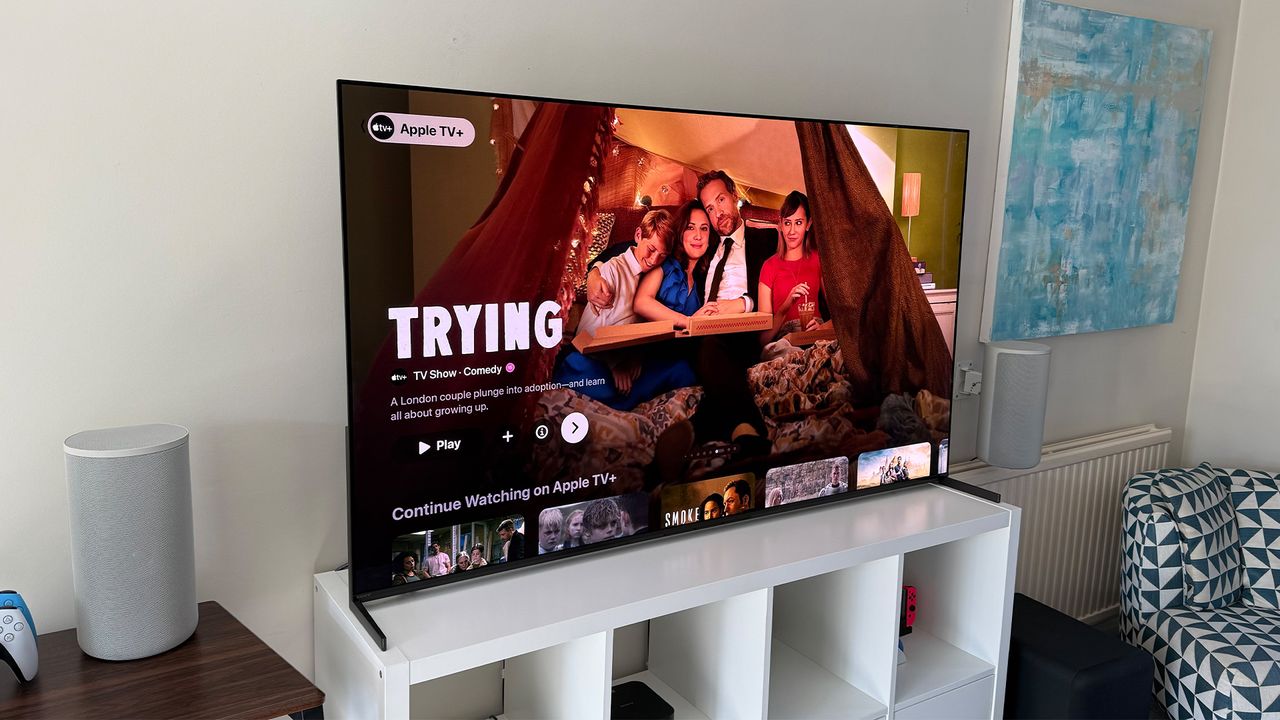
Meanwhile, Apple TV+ increased its monthly fee by £1 in August 2023. While this may seem modest, it is noteworthy that the service is now twice as expensive as when it launched in 2019. Netflix was the first major platform to hike its prices this year, increasing its Standard tier by £2, further contributing to the rising costs experienced by consumers.
With the average subscriber in the UK using approximately 3.3 streaming services, these cumulative costs can quickly add up, leaving many searching for ways to curb their spending.
One effective strategy is to take advantage of the option to cancel subscriptions temporarily. This approach allows users to pause their service until there is a sufficient amount of content they wish to watch. By resubscribing only when new shows or movies become available, consumers can enjoy a broader range of content without the financial burden of continuous monthly payments.
While platforms like Prime Video and Sky Q require annual subscriptions, services such as Disney+ and Netflix offer more flexible options for cancellation. Although users may hesitate to cancel due to family preferences or current viewing habits, this strategy could lead to substantial savings.
For those who find it challenging to cancel subscriptions entirely, cycling through different services can be an effective alternative. Users can focus on one platform at a time, maximizing their viewing experience for a month before moving on to another service. By the time they return to the original service, there will likely be a wealth of new content available to explore.
The key takeaway is that streaming services operate on a rental model; the content is never owned by the subscriber. Therefore, resubscribing ensures access to previously available content as well as new additions, making it a viable strategy for managing entertainment expenses.
With the streaming industry continuing to evolve, understanding these dynamics can empower consumers to navigate the rising costs while still enjoying the entertainment they love.