The ongoing tension between political narratives and factual data has intensified, particularly following statements made by former President Donald Trump. His administration’s actions, particularly regarding the collection and dissemination of statistical data, have raised concerns about the integrity of information that shapes national discourse.
Officials who disregard long-standing data collection practices and statistics often engage in a broader conflict that undermines democratic processes. This conflict is particularly evident in the wake of the 2020 Census, which has faced scrutiny from various political factions. As a result, accurate population data and its implications for resource allocation and representation are at risk of being overshadowed by partisan agendas.
Implications of Data Dismissal
The implications of dismissing established data are profound. According to the Congressional Research Service, statistical data not only informs policy decisions but also supports the allocation of federal resources. When elected officials choose to ignore or manipulate this information, they compromise the foundation of informed governance.
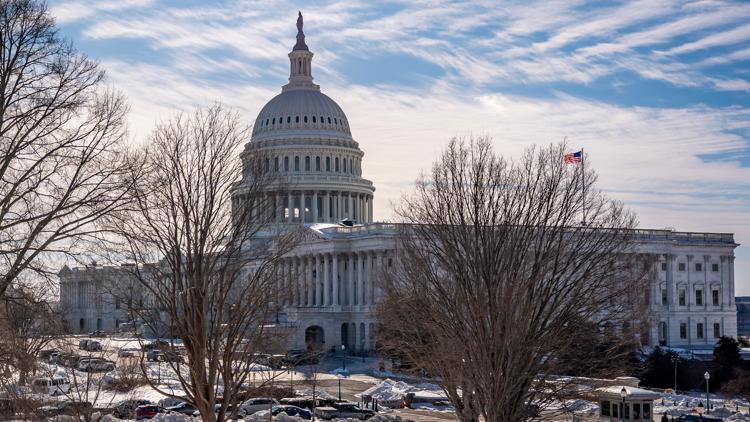
In recent months, discussions surrounding the integrity of data have escalated, especially in the context of the events that transpired on January 6, 2021. The aftermath of the Capitol riots exposed a rift in public trust regarding the information provided by governmental bodies, including the National Statistics Office. Trust in data is essential for public confidence in government operations.
Critics emphasize that the dismissal of factual data can lead to a “civil war” within the nation, not in the traditional sense of armed conflict but through a battle of narratives. This struggle for truth often manifests in public discourse, where competing interpretations of data lead to polarization among the electorate.
Challenges to Data Credibility
The challenges to data credibility are not confined to any single political party. Both sides of the aisle have, at times, leveraged statistics to bolster their arguments, leading to accusations of selective reporting. The inconsistency in how data is received and utilized contributes to an environment where facts become contentious.
Public perception of data can be shaped significantly by political leaders. When influential figures like Donald Trump cast doubt on longstanding data sources, they risk altering public understanding of critical issues, including health, economy, and social equity. This manipulation can have tangible consequences, affecting everything from healthcare funding to education policies.
In a world where information is abundant yet often contested, the role of credible data becomes paramount. As officials navigate this complex landscape, the challenge remains to uphold the integrity of data collection and ensure it serves the public good rather than partisan interests.
Looking ahead, the need for transparent dialogue about data and its implications is essential for fostering a well-informed citizenry. Ensuring that data-driven decisions are made based on accurate and unbiased information is crucial for the health of democracy. Acknowledging the importance of reliable statistics can help bridge divides and build consensus on pressing national issues.