URGENT UPDATE: The complex relationship between the horror genre and the Academy Awards is igniting fresh debate as the Oscars approach. Despite the genre’s immense popularity and cultural significance, horror films historically receive limited recognition from the Academy, raising questions about their artistic merit.
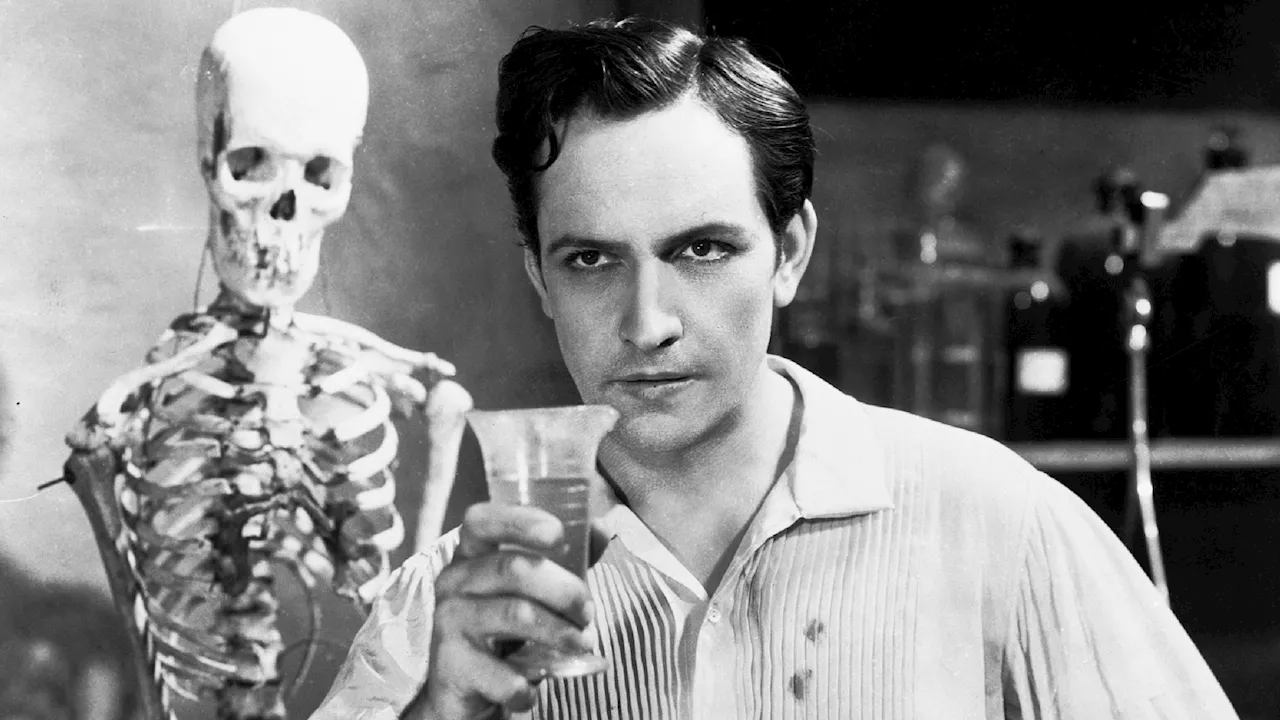
New analyses reveal that while horror captivates audiences and generates substantial box office success, it remains sidelined during major award ceremonies. The iconic film Frankenstein, released 94 years ago, serves as a rare exception, having garnered three nominations and winning an Oscar for Best Actor for Fredric March. This landmark film is still celebrated today for its innovative storytelling and character development, highlighting a disconnect between horror’s influence and its critical acclaim.
The 1931 adaptation of Frankenstein was groundbreaking, not just in horror but in cinema overall. It showcased impressive cinematography and special effects for its time, making a lasting impact on future adaptations of the genre. However, the overall trend of the Academy suggests that horror struggles to gain traction in major categories such as Best Picture or Best Director.
Only a small number of horror films have walked the Oscars stage, predominantly in technical categories like costumes and makeup. This discrepancy raises urgent questions about the Academy’s criteria when evaluating horror films. Why does a genre so deeply embedded in popular culture continue to be viewed as a critical underdog?
As the Oscars ceremony approaches, the spotlight intensifies on horror’s struggle for recognition. Fans and filmmakers alike are advocating for a shift in how the genre is perceived, pushing for greater acknowledgment of its artistic contributions. The ongoing dialogue emphasizes the need for a reevaluation of horror’s legacy within the cinematic landscape.
Looking ahead, industry insiders and film enthusiasts will closely monitor this year’s nominations, hoping that a new wave of horror films can break through historical barriers. The discourse around horror’s place in the Academy is more relevant than ever, prompting calls for change among both audiences and critics.
Stay tuned for updates as we await the Oscar nominations and reflect on the evolving landscape of horror in film. This year could mark a turning point for a genre that has long captivated the public imagination yet remains underappreciated by the industry’s highest honors.