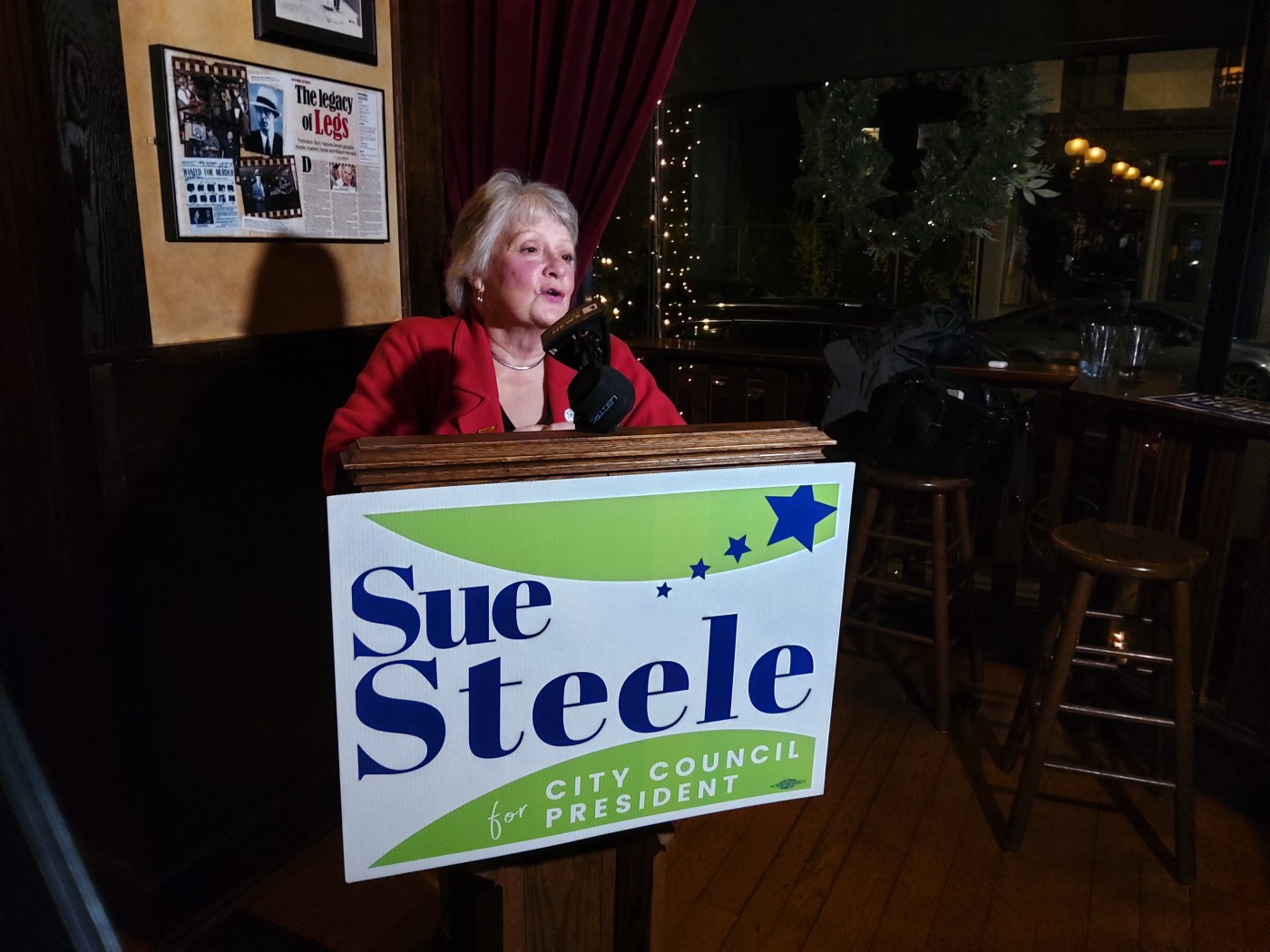
Troy City Council President Sue Steele discussed the challenges faced by the council over the past year during a recap following the election of an all-Democratic council in November 2023. She emphasized the necessity for constructive dialogue between the new council and the administration led by Republican Mayor Carmella Mantello.
Steele characterized the previous year as difficult, particularly for the Democratic minority. She noted, “This past year has been difficult; we’ve had a mayoral administration and council majority of the same party. It has been very much a rubber stamp situation.” Steele expressed concern that the council minority struggled to advance legislation due to a lack of support from the majority.
Key Legislative Setbacks and Future Prospects
One significant issue this year was the veto of a teleconference bill that aimed to allow council members and the public to attend meetings remotely in cases of emergency or illness. Despite some bipartisan support for the measure, Mayor Mantello vetoed it, citing logistical concerns and the importance of in-person attendance for enhancing interactions during meetings. “It was great to see a bipartisan vote on that, but unfortunately the mayor vetoed it, and there were not enough votes to override that veto,” Steele explained.
Looking ahead, Steele indicated that the teleconference legislation would likely be revisited in the new term with the fully elected Democratic council. She interpreted the election results as a clear message from voters regarding their desire for change. “From my perspective, I think the voters spoke loud and clear on election night and they gave the seven-member Democratic caucus a strong mandate to lead the council for the next two years,” she stated, describing the electoral outcome as a referendum on the mayor’s tenure and the existing political dynamics.
In a contentious vote in November, the council approved a $685,000 lease with Troy’s Local Development Corporation (LDC) for a new City Hall, locking the city into a 30-year agreement. This decision faced significant public backlash, with many constituents expressing concerns during the public comment period about issues such as historic preservation and transparency regarding financial documentation.
Public Concerns and Future Collaboration
Steele acknowledged that the lease approval has upset many residents. “I think it upset a lot of people. The whole project is upsetting to a lot of people, and I’m not saying that we don’t need a City Hall. I’m saying that it needs to make sense on a number of levels, including the finances and accessibility,” she said. She believes that dissatisfaction with the administration’s handling of these issues contributed to the electoral outcome, highlighting a desire among constituents for a government with more checks and balances.
While Mayor Mantello has argued that the project is financially viable and integral to preserving the historic building, Steele disagrees. “In actuality, they’re really destroying the theater because they are going to be building a box inside the theater itself that will house the council chambers and offices,” she remarked, questioning the preservation claims.
Amid these challenges, Steele remains hopeful about the potential for collaboration between the new council and the administration. “I’m very optimistic that going forward we will be able to work together very well as a council, and I would hope that that would spill over into a relationship with the administration,” she said. “I don’t think any of us want to see unnecessary contention, but I don’t think there’s anything wrong with asking questions and expecting answers.”
The upcoming term presents an opportunity for the newly formed council to address the concerns raised by constituents and to establish a more effective governance structure in Troy.