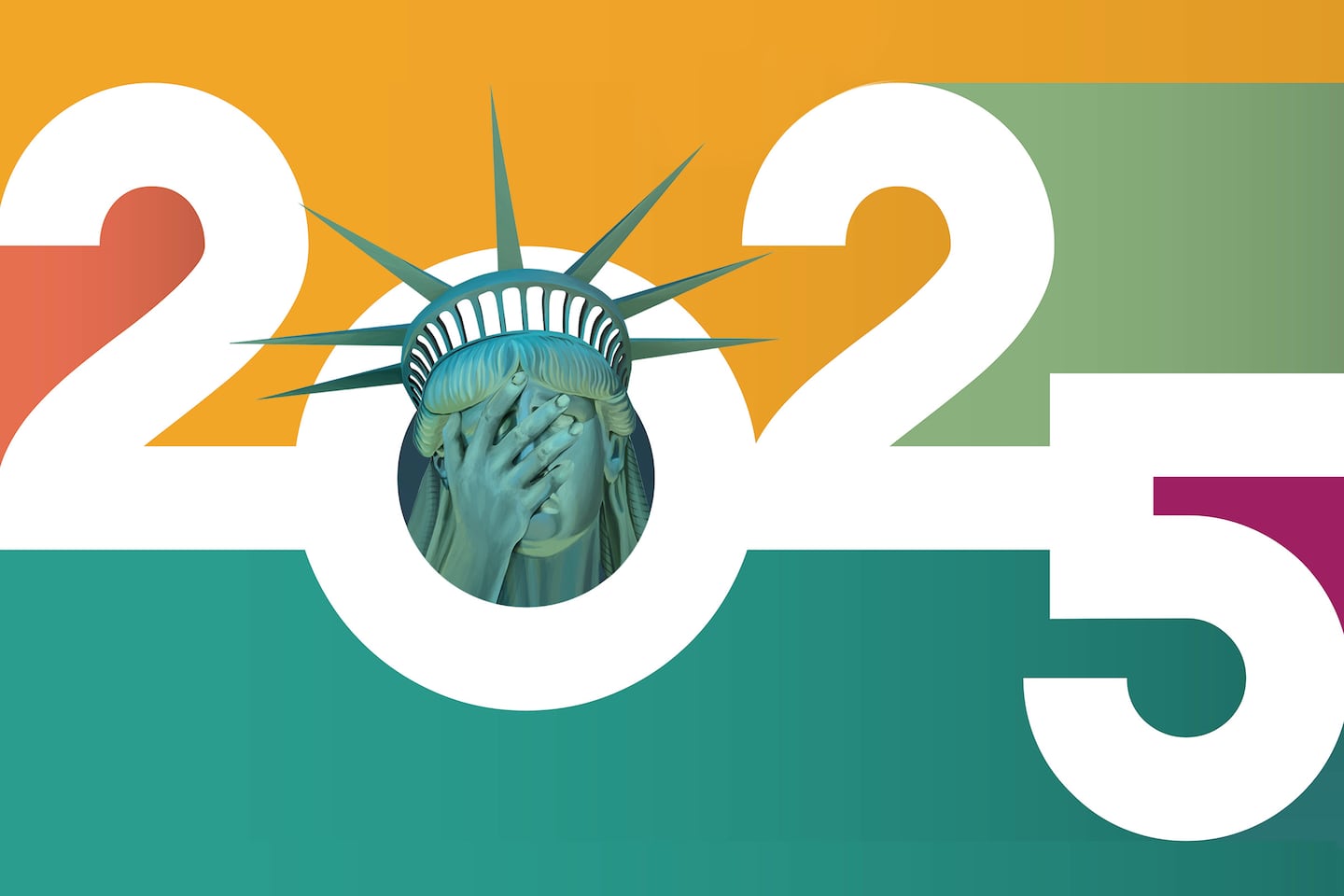
As 2025 draws to a close, a wave of letters to the editor has encapsulated the tumultuous nature of the year, marked significantly by the return of former President Donald Trump to the political forefront. Inauguration Day reignited a passionate national discourse, with sentiments ranging from nostalgia for past leadership to urgent calls for reform. The letters reflect a spectrum of opinions on key issues, including political integrity, gun violence, and the role of technology in society.
Political Discontent and Nostalgia
The passing of former President Jimmy Carter resonated deeply, prompting many to reminisce about a time when political leaders were viewed as exemplars of virtue. One correspondent, Roger Hirschberg, expressed a longing for “a more stable and saner time” in national leadership. This sentiment was echoed by Kelley Newman, who voiced her reluctance to watch the inauguration of a “twice-impeached convicted felon” and instead planned to honor Martin Luther King Jr. through community engagement.
Concerns about Trump’s political maneuvers dominated many letters. Barry Ehrlich remarked on the rapidity of Trump’s agenda, which included controversial actions such as pardoning January 6th insurgents. Barbara Katzenberg described the current administration’s actions as constituting a coup, highlighting a perceived attack on democratic norms.
Social Issues and Public Sentiment
Gun violence remains a critical issue, with several writers lamenting its persistent impact on American society. Philip Mahler applauded Boston Mayor Michelle Wu for her stance on gun reform during a tense visit to Washington, D.C. Meanwhile, the recent tragedy at Brown University, where students recounted lockdown experiences, reflects an unsettling normalization of such incidents, as noted by Mallory Zschau.
Amid these pressing concerns, the letters also tackled the implications of technological advancements. Stephen Polit cautioned against over-reliance on AI-generated actors, emphasizing the irreplaceable value of human creativity in the arts. This discussion ties into broader anxieties over the influence of technology on public discourse and cultural narratives.
The year also witnessed significant discussions surrounding academic integrity. Darcy Daniels raised alarms over Columbia University‘s compliance with Trump administration demands for funding, asserting that the erosion of academic independence poses a threat to higher education standards. In contrast, Holly Curtis commended Harvard University for resisting similar pressures, advocating for the preservation of institutional integrity.
As 2025 concludes, the reflections captured in these letters underscore a nation grappling with its identity and the complexities of governance. The voices of citizens serve as a powerful reminder of the ongoing dialogue necessary for a healthy democracy. Each letter encapsulates a unique perspective, contributing to a broader understanding of the challenges and aspirations that characterize this pivotal moment in American history.