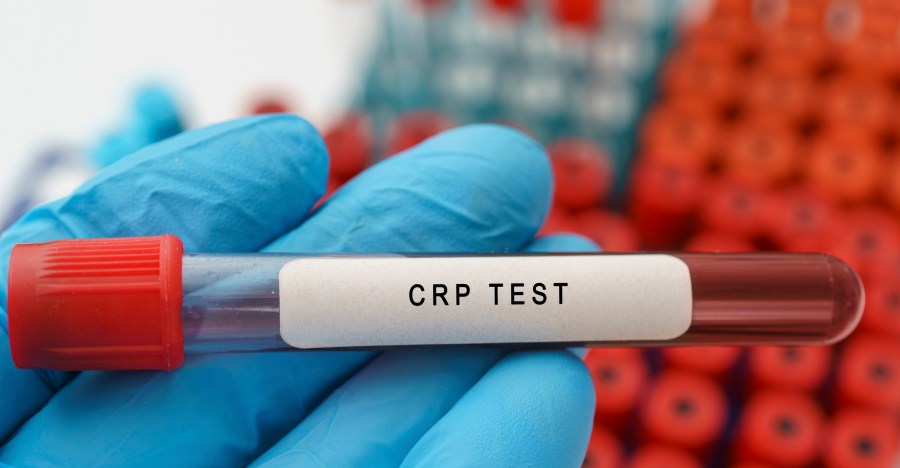
Heart disease remains the leading cause of death in the United States, with significant implications for public health. Recent research indicates that C-reactive protein (CRP) may be a more critical marker for assessing heart disease risk than traditional measures like cholesterol levels. This shift in focus could reshape how healthcare providers evaluate cardiovascular health.
Historically, since the 1950s, cholesterol levels have been a primary metric for assessing heart disease risk. Doctors routinely measure these levels through blood tests during patient visits. Elevated cholesterol, particularly low-density lipoprotein (LDL), commonly referred to as “bad” cholesterol, has been linked to an increased risk of heart-related issues. However, accumulating evidence suggests that CRP could provide a more comprehensive understanding of cardiovascular risk.
The Role of C-Reactive Protein
C-reactive protein is a substance produced by the liver in response to inflammation. Elevated levels of CRP in the blood can indicate systemic inflammation, which is often associated with various health conditions, including heart disease. Researchers are increasingly recognizing that inflammation plays a significant role in the development of atherosclerosis, a condition characterized by the buildup of fatty deposits in the arteries.
A study published in The Conversation highlights the potential of CRP as a better indicator of heart disease risk. It emphasizes that while cholesterol testing remains essential, incorporating CRP measurement could lead to earlier identification of individuals at risk. This could ultimately help in implementing preventive measures more effectively.
The research suggests that individuals with high CRP levels may have a greater risk of heart-related events, even if their cholesterol levels are within normal ranges. This finding underscores the need for a more nuanced approach to cardiovascular health assessments.
Implications for Healthcare Providers
For healthcare providers, this emerging understanding presents both challenges and opportunities. Adjusting diagnostic protocols to include CRP testing may require changes in practice and training. Furthermore, it could influence treatment strategies, prompting clinicians to consider anti-inflammatory approaches alongside traditional cholesterol-lowering therapies.
The shift towards recognizing CRP as a leading risk marker could also impact public health initiatives aimed at reducing heart disease. Educating patients about the importance of both cholesterol and CRP levels may empower individuals to take proactive steps in managing their cardiovascular health.
In conclusion, as research continues to evolve, the medical community must remain adaptable. Emphasizing markers like C-reactive protein alongside cholesterol could enhance the prevention and treatment of heart disease, ultimately leading to better health outcomes. This evolving perspective not only reflects advancements in science but also reinforces the importance of a comprehensive approach to cardiovascular health.