Brandon Sanderson, a prominent figure in the fantasy genre, is shifting focus towards the adaptation of his sci-fi series, Skyward. This development marks a significant moment in the author’s career, as he reveals that this particular title is the most likely to be brought to television. While Sanderson’s acclaimed works, such as Mistborn and The Stormlight Archive, remain fan favorites, it seems that the current landscape of streaming services is more receptive to science fiction narratives.
In a recent update on his blog, “State of the Sanderson,” published for 2025, Sanderson provided insights into the status of his various adaptations. He noted that while progress has been made with the film adaptations of Mistborn and The Stormlight Archive, it is Skyward that has gained notable traction. He mentioned that the adaptation is “far along” in the development process, particularly in terms of securing showrunners and writing the pilot episode.
Current Landscape of Adaptations
The adaptation of Skyward is particularly appealing given the recent successes of science fiction series. The genre has seen a surge in popularity, with notable shows such as Severance, Andor, and Fallout resonating well with audiences. Apple TV, in particular, has been proactive in expanding its sci-fi offerings, indicating that there is a robust market for such content.
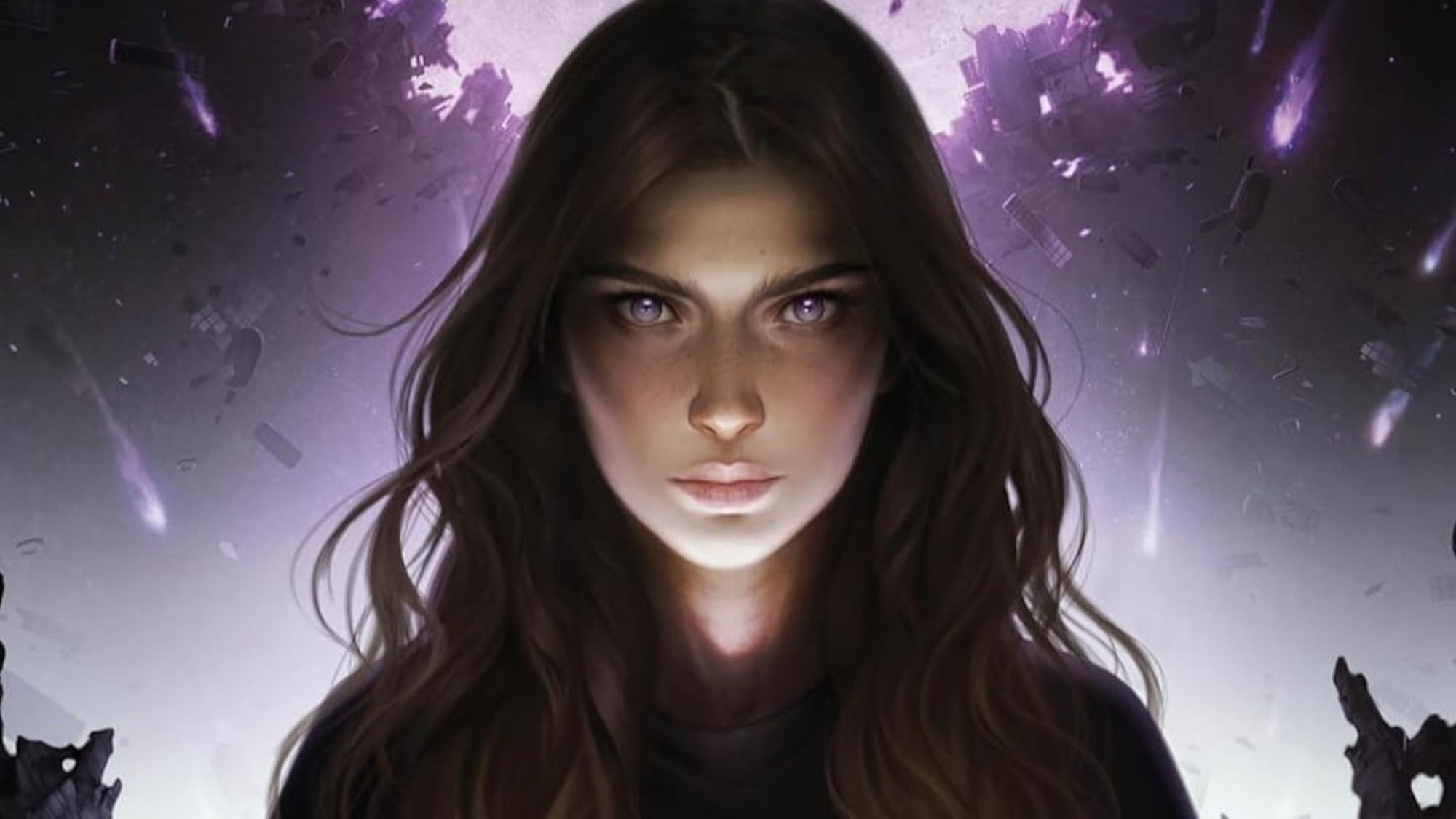
Sanderson’s Skyward follows the journey of a young girl named Spensa, who aspires to become a starfighter in a conflict against an alien race. The series is well-suited for adaptation in today’s entertainment climate, where audiences are increasingly drawn to sci-fi narratives. The success of recent adaptations underscores a shift away from fantasy series that have struggled to find their footing on streaming platforms.
Advantages of Adapting “Skyward”
One of the key advantages for the Skyward adaptation is its independence from Sanderson’s broader Cosmere universe. This separation makes it less daunting for newcomers to engage with the story, as it does not require prior knowledge of interconnected narratives. In an era where audiences are experiencing franchise fatigue, this standalone quality could work in its favor.
Additionally, without the weight of larger franchise expectations, the creators behind the adaptation can concentrate on crafting a compelling narrative without the pressure of setting up potential sequels or spin-offs. This freedom allows for a more focused approach to the adaptation process, making it an ideal starting point for Sanderson’s works in television and film.
The adaptation of Skyward is still in the early stages, as there is no network or streaming service officially attached to the project. However, given the positive momentum and the current demand for science fiction content, it appears to be the most likely of Sanderson’s works to reach the screen.
As the landscape of television continues to evolve, the anticipation surrounding a potential Skyward adaptation grows. With Sanderson’s proven storytelling ability and the audience’s appetite for sci-fi, there is optimism that this project could successfully transition from page to screen. The coming years will reveal whether Skyward will indeed take flight in the world of television.