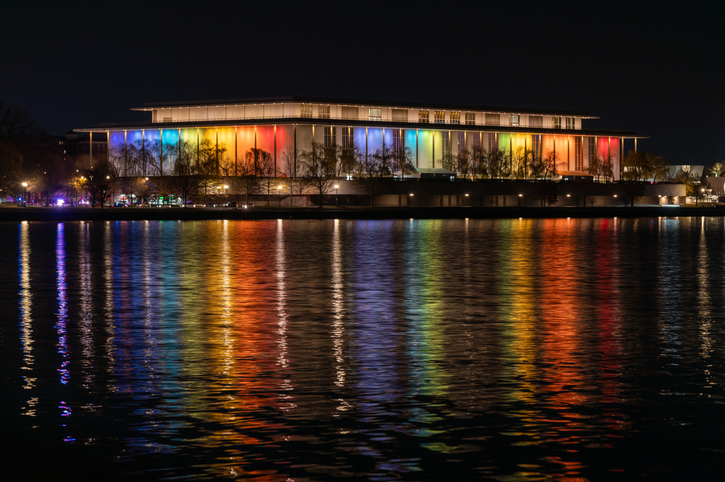
The cultural influence surrounding the Kennedy Center is intensifying as former President Donald Trump seeks to reshape its identity. His efforts include plans for renaming the institution and promoting upgrades branded with his name. In a notable counter-move, a writer from the iconic animated series South Park has purchased multiple domain names associated with a “Trump Kennedy Center,” signaling a unique twist in this cultural clash.
According to Variety, the domains were acquired to preemptively address what many believe could evolve into a larger branding initiative linked to Trump. This action coincides with Trump’s recent public assertions regarding his plans for the landmark, including a post on Truth Social where he touted “marble armrests” that he claimed were “unlike anything ever done or seen before.” The domain trumpkennedycenter.org now features a satirical landing page that lampoons Trump’s ambitions, transforming a symbol of artistic prestige into a target for humor.
The legality of acquiring these domain names is well-established and relatively inexpensive. This situation illustrates how swiftly political branding disputes migrate into the digital realm. While Trump’s allies emphasize symbolic changes such as names and aesthetics, critics argue that these efforts may reflect a superficial approach to arts funding and governance.
The involvement of a South Park writer adds another layer of irony to the situation. The series is renowned for its sharp satire of American socio-political issues, often targeting the current administration’s excesses. Although the domain purchases appear to be personal rather than part of an organized campaign, they underscore how the debate over the Kennedy Center has become fodder for satire.
Digital Battles in the Culture War
This episode highlights the contemporary landscape where culture-war conflicts increasingly unfold online. Control over digital assets, such as domain names, can be as significant as formal decisions made by governing bodies. Currently, there are several lawsuits in progress challenging the legality of renaming the landmark.
As the situation develops, the Trump-linked Kennedy Center tends to exist more prominently in web addresses and social media discussions than in actual policy changes. The future use of the newly acquired domains remains uncertain. They could be employed for various purposes or simply held by the buyer.
What is evident is that even the discourse surrounding a prestigious performing arts institution has entered a phase of digital contention, where humor has emerged even before any official branding rollout takes place. As this cultural dispute unfolds, it reflects the broader implications of how art and politics intertwine in the digital age.