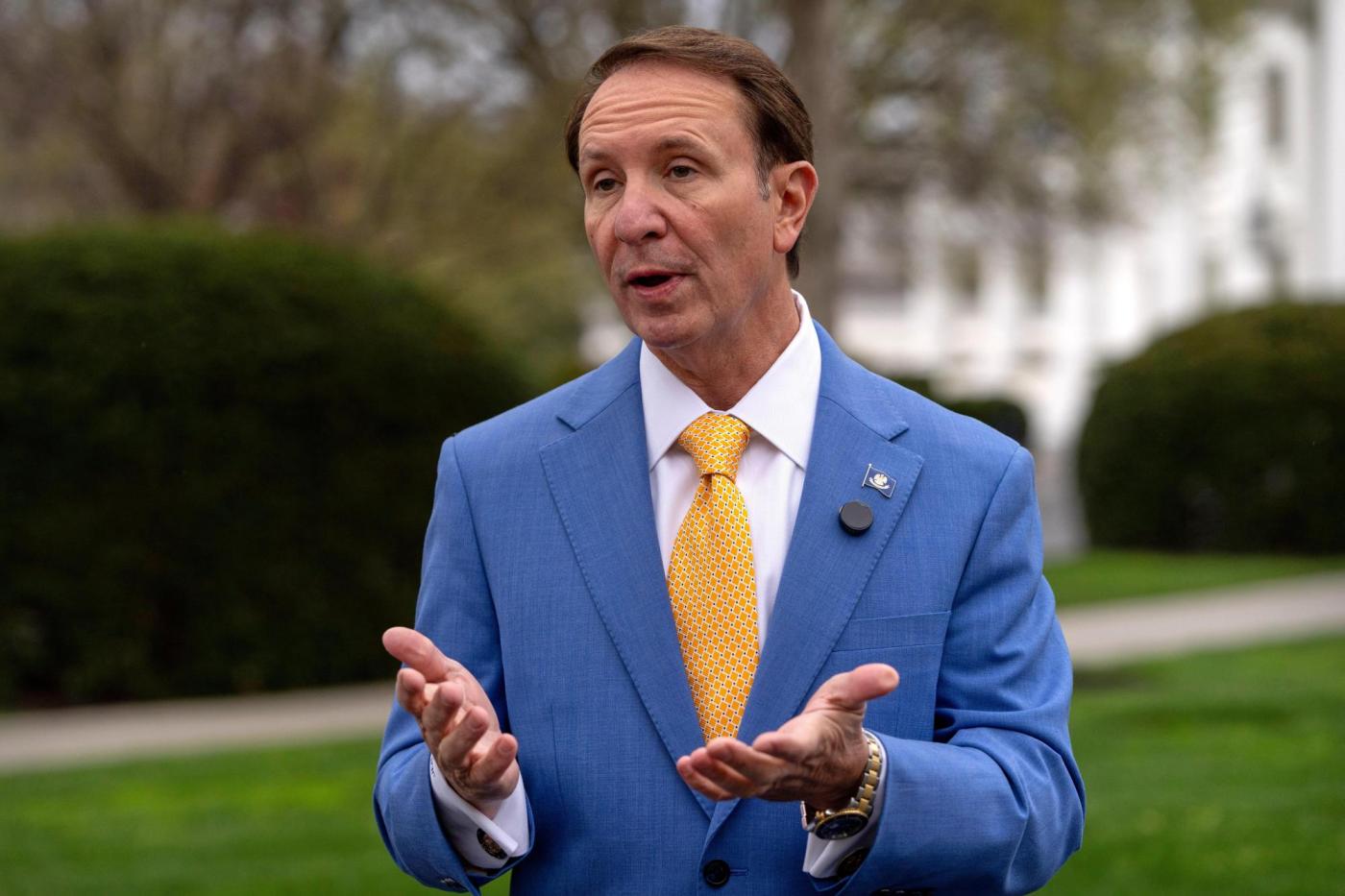
The state of Louisiana is seeking the deployment of 350 National Guard troops ahead of key events, including New Year’s Eve celebrations, the Sugar Bowl college football playoff game, and Mardi Gras. This request from Governor Jeff Landry, a Republican, comes amid a broader national debate over the role of the National Guard in U.S. cities, particularly those with Democratic leadership.
President Donald Trump’s decision to deploy the National Guard in various cities has generated a mixed response across the political spectrum. While many Democratic officials oppose this move, some Republican leaders, like Landry, have embraced it, requesting additional support for their states.
Legal challenges have emerged regarding the deployment of the National Guard, particularly in cities like Chicago. Recently, the Supreme Court blocked the deployment intended to support Immigration and Customs Enforcement (ICE) agents in the city, marking another instance of federal intervention facing judicial scrutiny. Similar legal roadblocks occurred in Portland, Oregon, and Los Angeles.
In Louisiana, the National Guard’s role is framed as supportive, primarily assisting federal agents rather than engaging in arrests. This comes as New Orleans faces an ongoing immigration crackdown. “They will be there for New Year’s Eve because they will be there for deployment through February, which we desperately need,” Landry stated. “We know how to make cities safe, and the National Guard complements cities that are having high crime problems.”
Public opinion on Trump’s immigration policies appears divided. An unscientific online poll conducted by Sinclair indicated that 73% of respondents approved of the president’s approach to deportation, while a more formal Pew Research poll found that 53% of Americans believe the administration is doing “too much” regarding deportations.
The situation in Louisiana stands in stark contrast to Illinois, where Democratic leaders, including Governor J.B. Pritzker, opposed the National Guard’s deployment. Representative Suhas Subramanyam from Virginia expressed surprise over the Supreme Court’s ruling against the Trump administration, noting that the Illinois government had not requested the National Guard’s presence.
The political dynamics play a significant role in these contrasting responses. Louisiana’s Republican leadership has welcomed the National Guard, while Illinois’ Democratic officials have actively resisted it, resulting in a legal confrontation that reached the highest court in the land.
A spokesperson for the White House, Abigail Jackson, commented on the Supreme Court’s ruling, asserting that it does not affect the administration’s “core agenda.” The statement emphasized the president’s commitment to enforcing immigration laws and safeguarding federal personnel from violence, reinforcing the rationale for the National Guard’s activation.
As states navigate this complex landscape of federal intervention and local governance, the differing approaches highlight the ongoing tensions surrounding law enforcement, public safety, and immigration policy in the United States.