The United States announced a pledge of $2 billion in humanitarian aid to the United Nations on March 6, 2023. This commitment, significantly lower than previous years, aligns with the Trump administration’s ongoing strategy to reduce foreign assistance while demanding extensive reforms within U.N. agencies.
The newly announced aid will create an umbrella fund, allowing for a streamlined allocation of resources to various humanitarian programs. U.S. officials assert that this funding will help maintain the nation’s position as the world’s largest humanitarian donor, even as total contributions have dramatically decreased. In recent years, U.S. humanitarian funding has been as high as $17 billion annually, with only $8-$10 billion of that consisting of voluntary contributions, according to U.N. data.
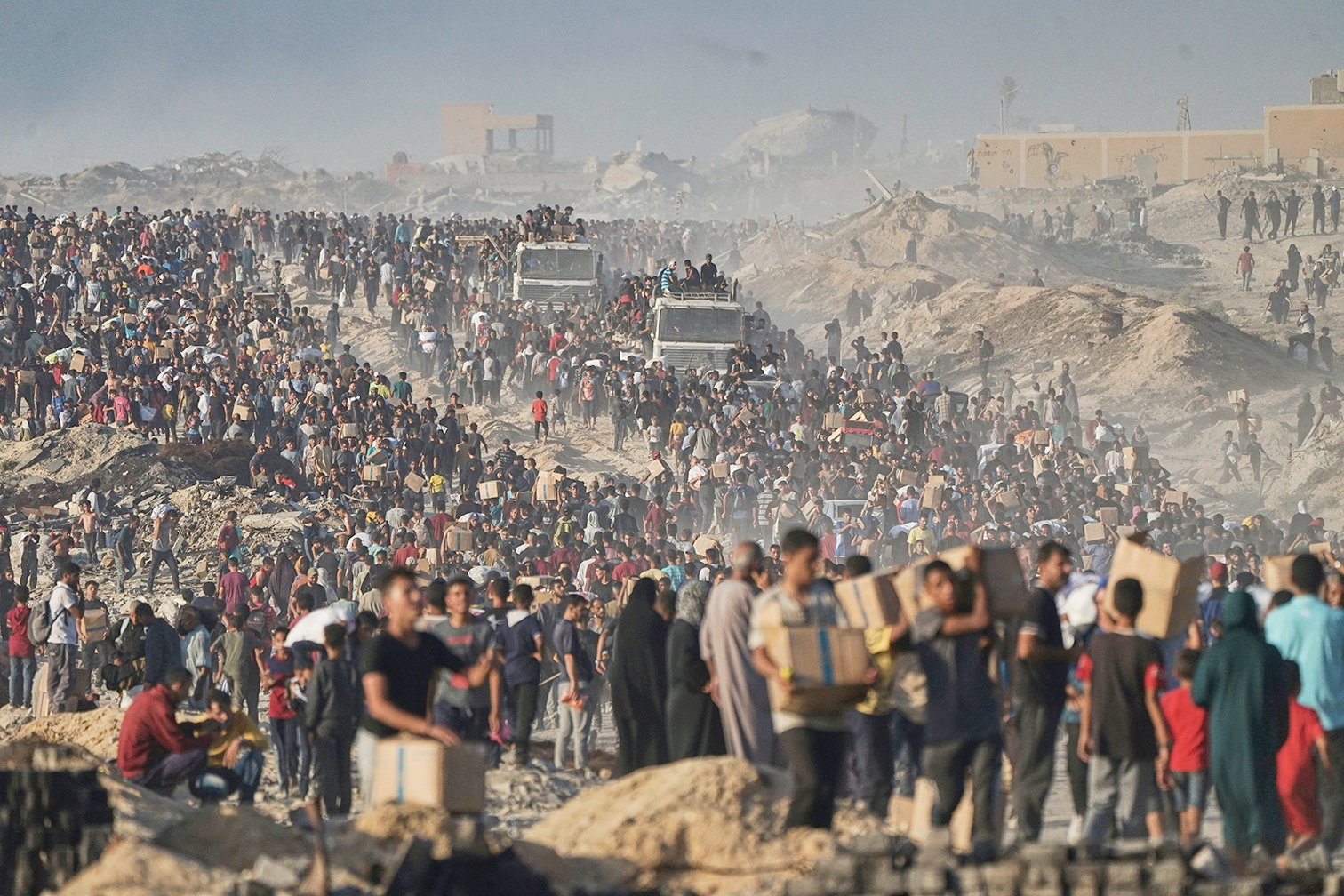
As the U.S. reduces its aid, many humanitarian organizations face escalating challenges. Famine conditions have been reported in conflict-affected regions, such as Sudan and Gaza, while natural disasters attributed to climate change continue to displace thousands. The cuts to aid programs will have significant consequences for U.N. affiliates, including the International Organization for Migration, the World Food Program, and the U.N. High Commissioner for Refugees (UNHCR).
Response to Global Needs
This decision comes during a crisis year for numerous U.N. organizations, which have already faced substantial funding reductions. The Trump administration’s previous cuts to foreign assistance have forced these organizations to limit their spending, scaling back projects and laying off thousands of employees. The U.S. pledge is part of an early agreement with the U.N. Office for the Coordination of Humanitarian Affairs, led by Tom Fletcher, a former British diplomat.
Despite the reduced aid, global humanitarian needs have surged. The U.S. officials indicate that the $2 billion pledge is merely a preliminary step to fund OCHA’s annual appeal announced earlier this month. Fletcher has already scaled back the funding request due to the challenging landscape for aid. Other traditional Western donors, including the United Kingdom, France, Germany, and Japan, have also curtailed their contributions and are seeking reforms.
This latest strategy aims to consolidate U.N. humanitarian functions to enhance efficiency and reduce bureaucratic inefficiencies. A senior State Department official emphasized the need for more “consolidated leadership authority” in the U.N. aid delivery system.
Focus on Reform and Efficiency
The outlined reforms are intended to create pools of funding that can be directed toward specific crises or countries, targeting 17 nations initially, including Bangladesh, Congo, Haiti, Syria, and Ukraine. Notably absent from this list are Afghanistan and the Palestinian territories, which will be addressed through separate funding mechanisms linked to Trump’s ongoing peace plan for Gaza.
The reform initiative reflects Trump’s belief that the U.N. has drifted from its original purpose and has failed to efficiently address global crises. The administration’s focus on accountability and results-driven assistance seeks to align humanitarian efforts with U.S. foreign policy objectives.
In a statement, Fletcher remarked, “At a moment of immense global strain, the United States is demonstrating that it is a humanitarian superpower, offering hope to people who have lost everything.”
As the U.S. navigates this new approach to humanitarian aid, the implications for global assistance and the effectiveness of U.N. agencies in addressing urgent crises will be closely monitored.